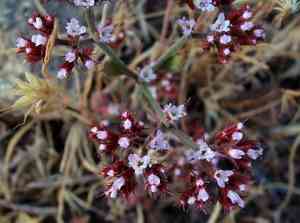
Turkish rugging (Chorizanthe staticoides)
Also known as: Turkish Rugging
Plants can exhibit significant morphological variation. They may grow as low ground cover or extend upwards to over half a meter in height. Leaves can range from a few millimeters to approximately 8 centimeters in length and are often concentrated at the base of the stem, which can be green or reddish and covered in fine hairs.
In This Article
Attributes of Turkish rugging
Lifespan
Annual
Plant Type
Herb
Plant Height
4-15 inches
Spread
8-24 inches
Leaf Color
Green
Flower Size
0.2-0.4 inches
Flower Color
Pink or White
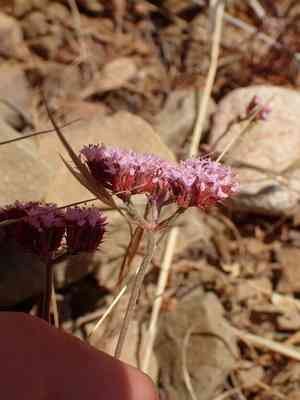
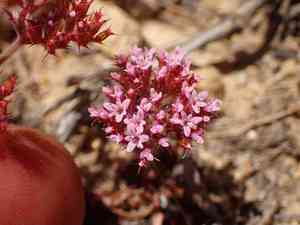
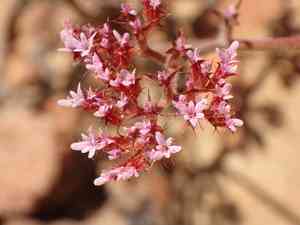
Images of Turkish rugging
Quickly Identify Turkish rugging
1
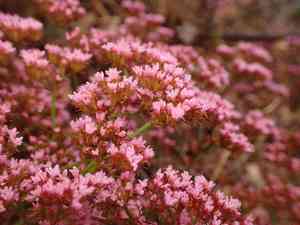
This plant can be identified by its low-growing, mat-like habit, hairy stems, and clusters of small, star-shaped pink or white flowers. Its bracts are distinctively narrowed and often reddish at the tips.
Scientific Classification of Turkish rugging
Phylum
Vascular plants
Class
Dicotyledons
Order
Caryophyllales
Family
Buckwheat
Genus
Spineflowers
Species
Turkish rugging
Planting and Growing of Turkish rugging
Care Difficulty
Easy
Watering Schedule
Every 2 days
Sunlight Requirements
Full sun
Sunshine Duration
6-10 hours
Ideal Temperature
65-75℉
Soil Type
Potting Mix, Peat Mix
Soil pH
6.5-7.5
Fertilizer Type
Balanced
Pruning Season
Spring, Summer
Pruning Area
Branches, Leaves
Pruning Frequency
2 times a year
Repotting Season
Spring
Pot Type
Plastic, Ceramic
 How to Water Turkish rugging?
Chorizanthe staticoides prefers a moderate watering approach. Ensure the soil is moist but not waterlogged by letting excess water drain freely after providing approximately 150 milliliters per watering session. This amount keeps the plant hydrated without risking root rot, ensuring a balance that mimics its natural habitat.
What are the symptoms of an underwatered Turkish rugging?
›
What should I do if my Turkish rugging is not getting enough water?
›
What are the symptoms of an overwatered Turkish rugging?
›
How to save an overwatered Turkish rugging?
›
 What Are the Sunlight Requirements for Turkish rugging?
Chorizanthe staticoides thrives in full sun, receiving 6 to 8 hours of sunlight daily. This level of light ensures strong growth, vibrant blooms, and enhanced plant health, ideal for maintaining the plant's natural beauty.
What is the ideal sunlight exposure?
›
How to achieve the ideal light exposure?
›
What are the benefits of ideal light exposure?
›
 What Is the Ideal Temperature Range for Turkish rugging?
The ideal temperature range for Chorizanthe staticoides growth lies between 65°F and 75°F. This temperature range provides optimal conditions for root development and nutrient uptake, enhancing the plant's overall growth and vigor. It also ensures a stable environment for photosynthesis, crucial for energy production.
 What Soil is Best for Turkish rugging?
Chorizanthe staticoides thrives in well-drained soils, which prevent root rot and ensure optimal growth. Well-draining soil allows air to circulate around the roots, promoting healthier plant development and reducing the risk of fungal diseases. To support the growth of Chorizanthe staticoides, it's essential to provide a nutrient-rich soil. This can be achieved by incorporating organic matter into the soil, which enhances microbial activity and provides essential nutrients that boost the plant's health and flowering potential. While Chorizanthe staticoides prefers well-drained soils, it benefits from a moderate level of moisture retention. This balance ensures that the plant has enough water to sustain itself without becoming waterlogged, encouraging strong root systems and vigorous growth.
 How to Fertilize Turkish rugging?
Chorizanthe staticoides requires a personalized approach when it comes to fertilization. It benefits from a balanced fertilizer, preferably a 10-10-10 combination. Use approximately one tablespoon of liquid fertilizer diluted in five liters of water. When applying slow-release fertilizers, use about half a tablespoon per plant. This ensures the nutrients are sufficiently supplied without overwhelming the plant's natural growth processes.
 How to Prune Turkish rugging?
Begin by identifying any dead or damaged stems and remove them cleanly at the base. Shape the plant by lightly trimming extended stems to encourage a compact form. Be cautious not to cut more than one-third of the plant's volume at a time to avoid stress. The best time to prune Chorizanthe staticoides is after the main blooming period, which typically occurs in spring and summer. This timing allows you to remove any faded flowers and prepare the plant for its next growth cycle.
More About Pruning Techniques→
 How to Propagate Turkish rugging plant?
1
Collect seeds from mature Chorizanthe staticoides plants. Wait until the seed heads have turned brown and dry before harvesting them. Ensuring seeds are fully matured increases germination rates.
2
Fill seed trays with well-draining potting soil. Moisten the soil before sowing seeds by lightly watering it until it’s damp but not waterlogged. This initial moisture helps seeds to settle and start germinating.
3
Distribute seeds evenly across the soil surface, then cover lightly with a thin layer of soil. The ideal sowing depth is typically around twice the diameter of the seed, which helps provide adequate light exposure and soil contact for germination.
 How to Repot Turkish rugging plant?
1
Repotting should occur when you notice roots protruding from drainage holes, soil drying out too quickly, or visible root rot. These signals indicate the plant needs more space or better draining soil. Spring and summer are the ideal seasons to repot when the plant is in a growth phase, ensuring it recovers quickly from the stress of being moved.
2
Choose a pot that is one to two inches larger in diameter than the current one, ensuring proper drainage holes at the bottom. The pot's material should be breathable, like terracotta, benefiting the plant by facilitating moisture evaporation and preventing waterlogging, which is crucial for Chorizanthe staticoides' preference for drier conditions.
3
Opt for a well-draining sandy mix with good aeration to mimic its natural habitat. This type of soil helps prevent root rot by draining excess water, which is vital for the plant's health, as it prefers not to sit in soggy conditions. Avoid heavy, clay-rich soils that retain too much water.
Learn More About Turkish rugging Diseases
Bacterial Leaf Spot
Bacterial Soft Rot
Crown Gall
Cyst Nematode
Damping-off
Downy Mildew
Fusarium Wilt
Gray Mold
Leaf Spot
Mosaic
Powdery Mildew
Root Rot
Root-knot Nematode
Rusts
Sooty Mold
White Mold
Chemical Injury
Drought Stress
Nutrient Deficiency
Nutrient Toxicity
Spider Mites
Temperature Stress
Thrips Damage



