How to Transplant Spiderweb chloris?
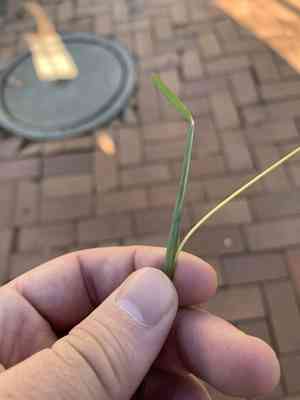
The ideal period for relocating spiderweb chloris is in the pleasant shift from late spring into early summer, which encourages robust root development. Select a location that receives ample sunlight and has soil that drains effectively. After transplanting, make sure spiderweb chloris gets sufficient hydration to support its best growth.
Essential Preparations Before Relocating Spiderweb Chloris
Optimal Period for Moving Spiderweb Chloris?
The most favorable time for relocating spiderweb chloris is during the transition from late spring's warmth to early summer's gentle rise. This specific timeframe allows spiderweb chloris ample opportunity to establish its root system prior to the summer's peak heat and guarantees sufficient daylight for photosynthesis. Moving spiderweb chloris during this flourishing season capitalizes on naturally mild temperatures and increasing daylight, which aids plant development and minimizes transplant shock.
Recommended Spacing Between Spiderweb Chloris Plants?
When planning to rehouse your spiderweb chloris, ensure each plant has adequate room to thrive. Position them 4-6 inches (10-15 cm) apart. This spacing will prevent your spiderweb chloris from competing for vital resources!
Ideal Soil Blend for Spiderweb Chloris Relocation?
Your spiderweb chloris will flourish in well-draining soil rich in organic matter. Prior to transplanting, incorporate a balanced, slow-release fertilizer to provide your spiderweb chloris with a nourishing start in its new location.
Choosing a New Location for Your Spiderweb Chloris?
For a thriving spiderweb chloris, select a sunny spot! These plants flourish with abundant light. Opt for a location where your spiderweb chloris will receive full sun to partial shade, ensuring they absorb sufficient rays for robust development.
Equipment Needed Before Transplanting Spiderweb Chloris?
Gardening Gloves
To safeguard your hands while handling soil and the plant.
Shovel or Spade
For excavating the spiderweb chloris and creating a new planting hole.
Garden Fork
To loosen the soil around the spiderweb chloris if it's being extracted from the ground.
Watering Can or Hose
To hydrate the plant before and after its relocation.
Wheelbarrow or Plant Pot
For moving the spiderweb chloris from its original spot to the new planting site.
Pruning Shears
To trim any damaged roots or foliage before the transplant.
Method for Extracting Spiderweb Chloris from Soil?
Method for Extracting Spiderweb Chloris from Soil?
From Ground: First, moisten the soil around the spiderweb chloris by watering. Next, dig a wide trench around the plant using a shovel or spade, ensuring the root ball remains intact. Carefully work the spade beneath the root ball to lift the plant from its initial position.From Pot: Begin by watering the spiderweb chloris to make the soil more pliable. Tilt the pot sideways and gently tap or press its sides to loosen the soil and roots' grip. Carefully slide the plant out, supporting the root ball.From Seedling Tray: Water the spiderweb chloris to dampen the soil. Use a spoon or a small tool to gently lift each individual plant from its cell, ensuring the entire root system is included.
Detailed Steps for Transplanting Spiderweb Chloris
Preparation
Ensure all necessary tools and equipment are ready. Put on your gloves to begin the transplanting process.
Plant Removal
Depending on whether the spiderweb chloris is from the ground, a pot, or a seedling tray, follow the removal procedure carefully to avoid damaging the root ball.
Transportation
Gently place the spiderweb chloris in a wheelbarrow or pot, minimizing root disturbance, and move it to the new location.
Hole Digging
At the new site, excavate a hole that is twice as wide and the same depth as the spiderweb chloris's root ball.
Placement
Carefully position the spiderweb chloris in the hole, centering it so the plant stands upright. The top of the root ball should be level with the surrounding soil.
Filling the Hole
Backfill the hole with the excavated soil, gently firming it around the spiderweb chloris's root ball to eliminate air pockets.
Watering
Thoroughly water the spiderweb chloris to settle the soil and hydrate the roots.
Post-Transplant Care for Spiderweb Chloris
Pruning
Remove any broken or dead stems and leaves to direct the spiderweb chloris's energy towards root establishment.
Watering
Maintain consistently moist soil to encourage root growth. Water deeply to promote extensive root development.
Mulching
Apply a layer of mulch around the base of the spiderweb chloris to help retain soil moisture and regulate temperature.
Monitoring
Observe the spiderweb chloris for signs of transplant shock, such as wilting or leaf discoloration, and address them promptly.
Resolving Common Issues During Spiderweb Chloris Transplantation.
When is the best time of year to move spiderweb chloris?
The ideal period for moving spiderweb chloris is during late spring or as temperatures rise, extending into early summer.
What spacing should I use for spiderweb chloris when transplanting?
Aim for a comfortable 4-6 inches (10-15 cm) of space to allow each spiderweb chloris to thrive.
Why is my spiderweb chloris wilting after being moved?
Wilting can indicate shock. Ensure roots are well-hydrated and protect from harsh direct sunlight for a few days.
Is soil amendment necessary when relocating spiderweb chloris?
Absolutely! Incorporating compost will create a nourishing environment for your spiderweb chloris's new roots to flourish.
How deep should the planting hole be for spiderweb chloris?
Dig a snug hole that is just deep enough to comfortably accommodate the root ball of your spiderweb chloris.
Can I transplant spiderweb chloris on a hot, sunny day?
It's better to choose a cool, overcast day. Moving spiderweb chloris in intense heat can stress the plant.
How much water should I give spiderweb chloris after transplanting?
Provide a generous amount of water to settle the soil around the roots, but avoid overwatering your plant.
Should I prune my spiderweb chloris before moving it?
Just a light trim! Remove any damaged or overly long roots to encourage healthy growth.
How can I tell if spiderweb chloris has successfully adapted to its new spot?
You'll observe new growth and vibrant, healthy leaves. Patience is keyâit may take a few weeks.
Is there a specific method for removing spiderweb chloris from its current container?
Gently ease spiderweb chloris out by tilting the pot and supporting the plant at its base, avoiding pulling on the stems.



