How to Propagate Spiderweb chloris?
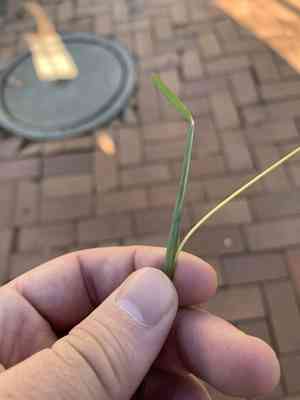
Spiderweb chloris, a member of the grass family, is most effectively multiplied by dividing its root mass into smaller portions. Cultivators ought to meticulously separate the thick root system, ensuring every new section possesses robust roots. Following division, these sections can be immediately transplanted into properly prepared soil that offers excellent drainage and sufficient room for root expansion. Consistent irrigation aids in the establishment of the new plants, but it is crucial to prevent excessive moisture, as spiderweb chloris is susceptible to waterlogging.
Optimal Period for Spiderweb Chloris Propagation
Propagation Method
Division
Propagation Season
Spring,Autumn
Tools Required for Spiderweb Chloris Propagation
Garden trowel
A garden trowel is crucial for excavating and lifting spiderweb chloris from the ground. This implement allows for precise control and minimal disruption to the plant's root system, which is essential when separating clumps during division. Its pointed blade can effectively navigate between roots, reducing harm and ensuring healthy segments for replanting.
Root pruning shears
Root pruning shears are used to cut through thicker roots without causing fraying or undue stress to spiderweb chloris. They provide a clean incision that promotes better healing and regrowth. Specialized blades designed for root cutting assist in making accurate cuts, necessary when dividing the root ball into smaller, viable sections.
Watering can with a fine rose
After division, maintaining sufficient moisture is vital for the recovery and establishment of spiderweb chloris. A watering can with a fine rose attachment enables gentle irrigation, reducing the risk of soil erosion around the newly planted divisions. This tool ensures a soft, even distribution of water that supports root development without overwhelming the plant.
Gardening fork
A gardening fork is useful for carefully loosening the soil around spiderweb chloris before lifting it for division. Its tines help to aerate the soil and untangle roots with minimal damage. The use of a fork is particularly beneficial for spiderweb chloris, as it helps preserve the integrity of the root system while facilitating easier extraction from the ground.
Planting pots
For each division of spiderweb chloris, individual planting pots equipped with drainage holes and filled with an appropriate potting mix will improve the chances of successful establishment. These pots provide the necessary space and environment for individual growth before transplanting back into a garden setting. They also simplify managing watering and nutrient application directly to the root zone of each plant segment.
How to Propagate Spiderweb Chloris?
Propagation Type
Easy
Post-Propagation Care for Your Spiderweb Chloris
Post-Propagation Care for Your Spiderweb Chloris
Following propagation, maintain a consistent watering schedule for spiderweb chloris, allowing the soil to dry slightly between waterings. Fertilize lightly with a balanced, slow-release fertilizer every other month to support healthy growth. Position spiderweb chloris in a location that receives full to partial sunlight, watching for signs of burning or wilting which can indicate too much direct light. Regularly check for pests or disease, treating as necessary to maintain the health and vigor of your plant.
Common Errors to Avoid When Propagating Spiderweb Chloris
Overwatering
Excessive watering during spiderweb chloris propagation can lead to root rot and fungal infections. This species prefers well-drained soil, and too much moisture can be harmful.
Poor soil selection
Using an unsuitable soil type can hinder the root development of spiderweb chloris. Soil that drains poorly or lacks essential nutrients can impede growth and propagation success.
Excessive handling
Frequent handling or disturbance of spiderweb chloris during propagation may harm delicate roots and shoots, reducing the plant's ability to establish itself.
Ignoring light requirements
Placing spiderweb chloris in an area with incorrect lighting conditions, whether too dim or overly bright, can stress the plant and inhibit growth.
Tips For Propagating Spiderweb Chloris
Proper soil preparation
Prepare a potting mix that drains well yet retains sufficient moisture to support spiderweb chloris's growth. Incorporating organic material like compost can enhance soil structure and nutrients.
Controlled watering
Water spiderweb chloris just enough to keep the soil moist but not waterlogged. Monitor the soil's moisture level regularly to prevent overwatering and ensure optimal growth conditions.
Gentle handling
Handle spiderweb chloris gently during the propagation process. Minimize root disturbance to promote healthier, more resilient growth.
Adequate lighting
Ensure that spiderweb chloris receives the right amount of light, which generally means bright, indirect light. This will support photosynthesis without risking damage from excessive direct sunlight.



