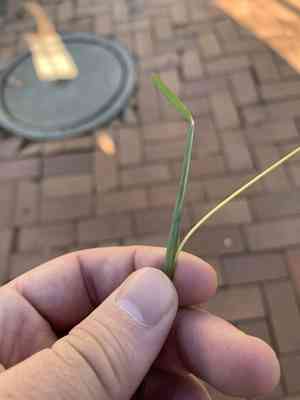
Spiderweb chloris (Chloris pycnothrix)
Also known as: Common Chloris
Spiderweb chloris, a perennial grass, is commonly found in various habitats such as floodplains, montane grasslands, miombo woodlands, and areas near rivers. While it is often utilized as fodder and hay, it is also seen as an invasive species and considered a weed in turf lawns.
In This Article
Attributes of Spiderweb chloris
Lifespan
Perennial
Plant Type
Grass
Plant Height
35 cm to 60 cm
Spread
No crown; typically grass species do not form one.
Leaf Color
Green
Flower Size
0.3 mm to 0.8 mm
Flower Color
White Yellow
Images of Spiderweb chloris

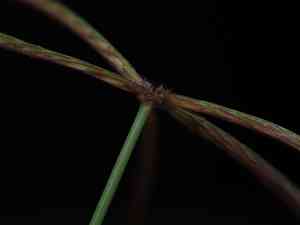
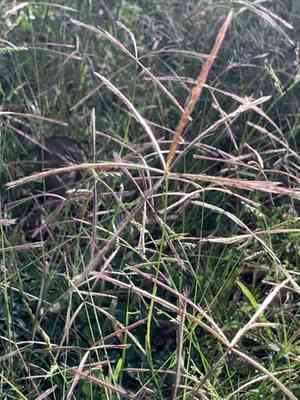
Quickly Identify Spiderweb chloris
1
Identified by its slender, erect stems and inflorescences that resemble a bottlebrush, with spiky, radiating flowers.
Scientific Classification of Spiderweb chloris
Phylum
Vascular plants
Class
Monocotyledons
Order
Poales
Family
Grass
Genus
Windmill grasses
Species
Spiderweb chloris
Planting and Growing of Spiderweb chloris
Care Difficulty
Easy
Watering Schedule
Every 2 days
Sunlight Requirements
Full sun
Sunshine Duration
6-10 hours
Ideal Temperature
68-77℉
Soil Type
Potting Mix, Peat Mix
Soil pH
6.5-7.5
Fertilizer Type
Balanced
Pruning Season
Spring, Summer
Pruning Area
Branches, Leaves
Pruning Frequency
2 times a year
Repotting Season
Spring
Pot Type
Plastic, Ceramic
 How to Water Spiderweb chloris?
Chloris pycnothrix requires a careful balance in watering. Water the plant with 500 milliliters of water each time, ensuring the soil is evenly moist but never waterlogged. It's crucial to allow the top layer of soil to dry out slightly between waterings, preventing root rot while providing consistent moisture.
What are the symptoms of an underwatered Spiderweb chloris?
›
What should I do if my Spiderweb chloris is not getting enough water?
›
What are the symptoms of an overwatered Spiderweb chloris?
›
How to save an overwatered Spiderweb chloris?
›
 What Are the Sunlight Requirements for Spiderweb chloris?
Chloris pycnothrix thrives best in full to partial sun environments. Adequate light facilitates robust growth, vibrant foliage, and efficient photosynthesis, leading to a healthier and more resilient plant.
More About Sunlight Requirements Techniques→
What is the best sunlight for Chloris pycnothrix?
›
How can I provide ideal lighting for my Chloris pycnothrix?
›
What are the benefits of ideal lighting for Chloris pycnothrix?
›
 What Is the Ideal Temperature Range for Spiderweb chloris?
The ideal temperature range for Chloris pycnothrix is between 68°F and 77°F. This range provides optimal conditions for growth and vitality, ensuring that the plant can photosynthesize efficiently and develop healthily. At these temperatures, the plant achieves a balanced metabolic rate, allowing it to absorb nutrients effectively and support robust vegetative growth.
 What Soil is Best for Spiderweb chloris?
Chloris pycnothrix thrives in well-drained soil which prevents waterlogging and roots from rotting. Such conditions mimic its natural habitats, promoting healthy root growth and better nutrient uptake. The plant prefers soil of moderate fertility, ensuring it gets enough nutrients without being over-fertilized. This balance supports lush green foliage and robust flowering without overwhelming the roots. Soil with good aeration is crucial as it allows roots to breathe, exchange gases effectively, and absorb water and nutrients efficiently, which are all vital for the plant’s growth and vitality.
 How to Fertilize Spiderweb chloris?
For Chloris pycnothrix, use about half the recommended dosage on the fertilizer packaging. This grass prefers light but regular feeding to prevent nutrient build-up and optimize growth.
 How to Prune Spiderweb chloris?
To prune Chloris pycnothrix effectively, begin by sterilizing your pruning shears to prevent disease transmission. Target dead or damaged leaves first, cutting them back to the plant’s base. Trim back healthy growth by about a third to maintain the desired shape. Make clean cuts just above a leaf node to encourage new growth and avoid leaving stubs. By focusing on shaping the plant, you encourage robust growth and a fuller appearance.
More About Pruning Techniques→
 How to Propagate Spiderweb chloris plant?
1
Fill seed trays with potting mix, leaving some space at the top. Moisten the soil with water, but do not over-saturate. This creates the optimal conditions for seed germination.
2
Place the seeds evenly on the surface of the potting mix. Cover them lightly with a thin layer of soil. Ensure seeds are not buried too deep to promote healthy germination.
3
Cover the seed trays with a plastic lid or plastic wrap to retain moisture and humidity. Monitor regularly and remove the cover once the seeds begin to sprout to prevent mold growth.
 How to Repot Spiderweb chloris plant?
1
You should repot Chloris pycnothrix when you notice that roots are circling the pot or emerging from the drainage holes. This indicates that the plant has outgrown its current container and needs more space to thrive.
2
Select a pot that is one size larger than the current one, with ample drainage holes. This ensures proper drainage and prevents root rot, providing a healthier growing environment for your plant.
3
Opt for a well-draining, sandy soil mix. This type of soil reduces the risk of overwatering and promotes better aeration, allowing Chloris pycnothrix to develop strong, healthy roots.
Learn More About Spiderweb chloris Diseases
Anthracnose
Bacterial Leaf Spot
Bacterial Soft Rot
Bacterial Wilt
Black Spot
Chemical Injury
Cyst Nematode
Damping-off
Downy Mildew
Drought Stress
Fusarium Wilt
Gray Mold
Leaf Spot
Mosaic
Nutrient Deficiency
Nutrient Toxicity
Powdery Mildew
Root Rot
Root-knot Nematode
Rusts
Sooty Mold
Spider Mites
Temperature Stress
Thrips Damage
White Mold



