How to Transplant Alaweo?
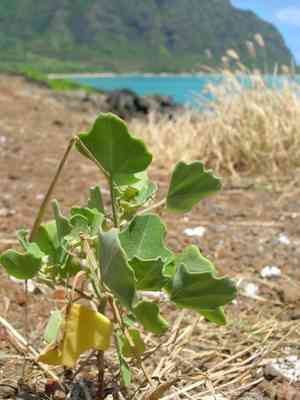
Alaweo, a perennial species, thrives when relocated between early and mid-spring, benefiting from ideal soil hydration and moderate warmth. Select a site offering full sun to partial shade, featuring soil that drains effectively, to foster robust development.
What Preparations are Needed Before Transplanting Alaweo?
What is the Ideal Time for Transplanting Alaweo?
Alaweo, a perennial plant, flourishes when moved from early to mid-spring. This timeframe offers prime soil conditions and steady moisture, fostering strong root growth. Relocating during this period ensures the plant has sufficient growing season to settle before summer's heat, boosting survival and long-term development potential.
How Much Space Should You Leave Between Alaweo Plants?
When relocating alaweo, position each plant 36-48 inches (90-120 cm) apart. This guarantees ample room for proper growth and prevents overcrowding, which can impede their development.
What is the Best Soil Mix for Alaweo Transplanting?
Prepare well-draining soil enriched with organic matter to supply nutrients. A loamy soil type is optimal for alaweo. Incorporate a balanced base fertilizer (10-10-10 NPK) to support vigorous growth.
Where Should You Relocate Your Alaweo?
Select a sunny spot for alaweo, as it thrives in full sunlight. Ensure the location receives at least 6-8 hours of direct sun daily to encourage robust growth.
What Equipments Should You Prepare Before Transplantation Alaweo?
Gardening Gloves
To safeguard your hands while working with the soil and plant.
Shovel or Spade
For excavating the transplant hole and assisting in removing the plant from its initial spot.
Hand Trowel
For detailed tasks around the roots and planting area.
Watering Can or Hose
To hydrate the plant before and after relocation.
Wheelbarrow
For moving the plant if it's large or if there's a distance between sites.
Mulch
To aid in retaining soil moisture after transplant.
Plant Stakes and Ties
To offer support to the plant if it's tall or spindly.
How Do You Remove Alaweo from the Soil?
How Do You Remove Alaweo from the Soil?
From Ground: First, water the alaweo plant to moisten the soil. Then, dig a wide trench around the plant using a shovel or spade, ensuring the plant's root ball stays intact. Carefully work the spade beneath the root ball to lift the plant from its original location.From Pot: Water the alaweo plant thoroughly. Gently tap around the pot's sides to loosen the soil. Carefully slide the plant out, supporting the base and the root ball. If the plant is root-bound, gently separate the roots using your fingers.From Seedling Tray: Water the alaweo seedlings to moisten the soil. Use a hand trowel or your fingers to gently lift the seedlings from the tray, ensuring you take as much root along with the plant as possible.
Step-by-Step Guide for Transplanting Alaweo
Prepare the New Site
Mark out a planting hole that is twice the width and the same depth as the root ball of your alaweo plant. This allows roots to spread more easily and establish themselves in the new spot.
Condition the Soil
Mix some organic compost or well-rotted manure into the soil at the base of the hole to help improve soil fertility and structure.
Transplant the Plant
Place the alaweo plant into the hole carefully, ensuring the root ball sits at the same level as the surrounding soil. Backfill the hole with soil, gently pressing it down to remove air pockets.
Water the Plant
Water the alaweo thoroughly to settle the soil around the roots. If using a watering can, water slowly to ensure it soaks deeply into the ground.
Add Mulch
Apply a 2-3 inch layer of mulch around the base of the alaweo plant to help retain moisture and reduce weed growth.
Stake the Plant
If the plant is tall or leggy, use plant stakes and ties to support it until it's firmly established in its new location.
How Do You Care For Alaweo After Transplanting?
Watering
Keep the soil around the alaweo plant consistently moist, but not waterlogged, for the first few weeks after transplanting to help establish strong roots.
Mulching
Replenish the mulch layer as needed to maintain a 2-3 inch depth which helps to preserve soil moisture.
Monitoring
Regularly check the plant for signs of stress such as wilting or yellowing leaves and address promptly, possibly needing shade protection or adjusting watering.
Feeding
After a few weeks, apply a balanced fertilizer to provide necessary nutrients once the plant has started to establish itself.
Troubleshooting Common Issues with Alaweo Transplantation.
When should I transplant alaweo for the best results?
Early to mid-spring is ideal for relocating alaweo for optimal growth and development.
What is the best soil condition for transplanting alaweo?
Alaweo thrives in well-draining soil rich in organic matter to ensure healthy growth.
How much space should be between each alaweo plant?
Space each alaweo plant 36-48 inches (91-122 cm) apart for ample growth room.
Should alaweo be placed in the sun or shade?
Alaweo prefers full sunlight to partial shade for robust and healthy growth.
What steps should I take before transplanting alaweo?
Prepare the soil with compost, ensure adequate spacing, and water the plant well before transplanting.
How do I avoid transplant shock in alaweo?
Water thoroughly after transplanting and maintain consistent moisture to reduce transplant shock.
When should I water alaweo after transplanting?
Water alaweo immediately after transplanting and keep the soil consistently moist, especially in the first few weeks.
What is the best way to handle alaweo roots while transplanting?
Handle alaweo roots gently to avoid damage and ensure they remain moist during the process.
Should I fertilize alaweo after transplanting?
Wait a few weeks before fertilizing alaweo to allow it to establish in the new location.
How do I know if alaweo is successfully transplanted?
Successful alaweo transplants will show new growth and stable, upright stems within a few weeks.



