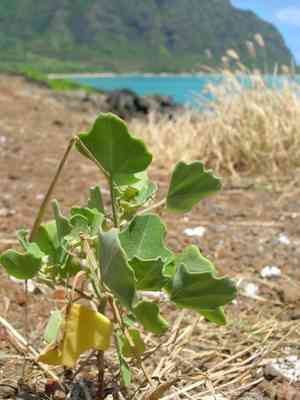
Alaweo (Chenopodium oahuense)
Also known as: -
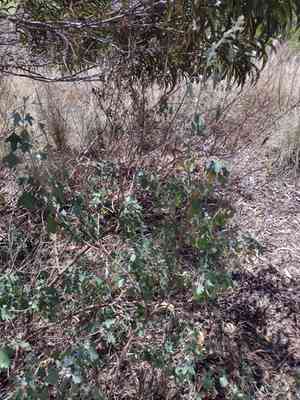
This species is a shrub capable of growing between 5 and 20 meters tall. It features fleshy, slightly hairy leaves that are divided into three distinct lobes. The flowers are arranged in a panicle and are typically small in size.
In This Article
Attributes of Alaweo
Lifespan
Perennial
Plant Type
Tree, Shrub
Plant Height
4-6 feet (1.2-1.8 meters)
Spread
Up to 3 feet (0.9 meters)
Leaf Color
Silvery-green
Flower Size
Small (less than 1 cm)
Flower Color
Greenish
Images of Alaweo
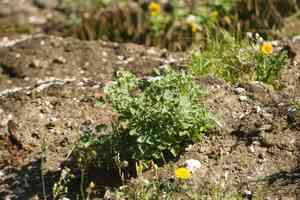
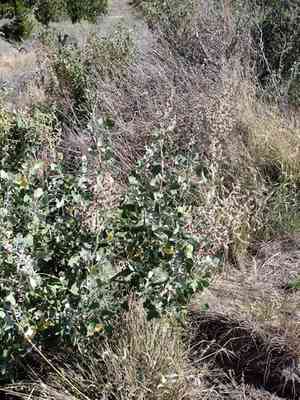
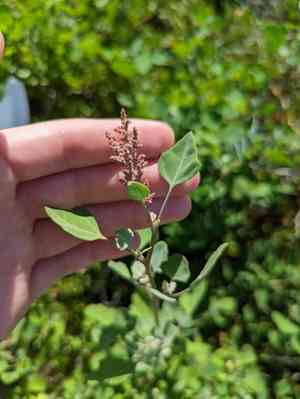
Quickly Identify Alaweo
1
The Oahu goosefoot can be identified by its silvery-green leaves, which are coated with fine hairs. The leaves are broad, somewhat triangular, and have wavy margins. The plant produces small, greenish flowers in dense clusters.
Scientific Classification of Alaweo
Phylum
Vascular plants
Class
Dicotyledons
Order
Caryophyllales
Family
Amaranth
Genus
Goosefoots
Species
Alaweo
Planting and Growing of Alaweo
Care Difficulty
Easy
Watering Schedule
Every 2 days
Sunlight Requirements
Full sun
Sunshine Duration
4-8 hours
Ideal Temperature
60-80℉
Soil Type
Potting Mix, Peat Mix
Soil pH
6.5-7.5
Fertilizer Type
Balanced
Pruning Season
Spring, Summer
Pruning Area
Branches, Leaves
Pruning Frequency
2 times a year
Repotting Season
Spring
Pot Type
Ceramic, Plastic
 How to Water Alaweo?
Chenopodium oahuense, also known as the Hawaiian Goosefoot, prefers moderate watering. It thrives when given about 500 milliliters of water each watering session. Ensure the soil is moist but not waterlogged—water until the surface feels evenly damp. Excessive water may harm roots; hence, moderate care is essential.
What are the symptoms of an underwatered Alaweo?
›
What should I do if my Alaweo is not getting enough water?
›
What are the symptoms of an overwatered Alaweo?
›
How to save an overwatered Alaweo?
›
 What Are the Sunlight Requirements for Alaweo?
The plant prefers full sun, which ideally includes 6 to 8 hours of direct sunlight daily, enhancing its growth and immunity against diseases.
What is the best light condition for Chenopodium oahuense?
›
How can I ensure my Chenopodium oahuense receives ideal light?
›
What are the benefits of providing ideal light conditions?
›
 What Is the Ideal Temperature Range for Alaweo?
The ideal temperature range for Chenopodium oahuense to thrive is between 60°F and 80°F. This temperature range supports optimal growth and development by providing the necessary warmth without stressing the plant. Maintaining temperatures in this range ensures proper physiological functions and prevents potential stress-related issues.
 What Soil is Best for Alaweo?
Chenopodium oahuense thrives in soil that offers excellent drainage. This prevents waterlogging, which can rot the roots and inhibit nutrient uptake. Using sandy loam or loamy soil ensures that excess water flows away easily, creating a healthy environment for root development. This plant benefits from nutrient-rich soil, which supports its robust growth and vibrant foliage. Loamy soil, known for its balanced mixture of sand, silt, and clay, typically provides the necessary nutrients and organic matter that help this plant to flourish. An optimal pH range of 6.5 to 7.5 suits Chenopodium oahuense, fostering an environment where vital nutrients are readily available. Soil within this pH range encourages biological activity that promotes nutrient cycling and availability, essential for the plant's health.
 How to Fertilize Alaweo?
Chenopodium oahuense plants thrive when provided with a consistent but moderate amount of fertilizer. A balanced liquid fertilizer diluted to half strength is recommended during the growing season, with about 1/4 gallon per plant each time. For slow-release fertilizers, a light application of about 1 ounce per plant annually ensures sustained nutrient availability without overwhelming the roots.
 How to Prune Alaweo?
When pruning Chenopodium oahuense, ensure you have sharp, clean pruning shears or scissors. These tools will help make precise cuts while minimizing the risk of spreading disease. Disinfect the tools with alcohol or bleach before use to ensure a healthy pruning process. Begin by removing any dead or diseased stems from the base to prevent the spread of disease. Next, focus on trimming back overgrown or leggy stems for shape and improved air circulation. Look for branches growing inward and remove them to prevent crowding. Trim back to a natural-looking shape to promote new growth.
More About Pruning Techniques→
 How to Propagate Alaweo plant?
1
Begin by filling the seed tray with potting mix. Sow the seeds gently by pressing them onto the surface without burying them too deep, as they require light to germinate. Water lightly to settle the seeds in place.
2
Place the seed tray in a location that receives ample sunlight. Chenopodium oahuense seeds germinate best with exposure to at least 6 hours of sunlight per day. Consider using grow lights if natural light is insufficient.
3
Keep the potting mix consistently moist but not soggy. Utilize a spray bottle to mist the soil surface, and cover the tray with a plastic dome or clear lid to create a greenhouse effect, aiding moisture retention.
 How to Repot Alaweo plant?
1
Chenopodium oahuense should be repotted when you notice roots emerging from the pot's drainage holes or the soil becomes compacted and hard to water. It usually thrives with fresh soil annually as it ensures adequate nutrients and space for growth.
2
Select a pot that is one size larger than the current one, with good drainage holes to prevent waterlogging. Opting for clay pots can benefit Chenopodium oahuense as they allow the soil to dry out more efficiently, reducing root rot risks.
3
A well-draining, sandy soil mix is ideal. This soil supports rapid water drainage and prevents root rot, aligning well with the plant's natural preference for dry climates.
Learn More About Alaweo Diseases
Anthracnose
Bacterial Leaf Spot
Bacterial Soft Rot
Bacterial Wilt
Chemical Injury
Damping-off
Downy Mildew
Drought Stress
Fusarium Wilt
Gray Mold
Leaf Curl
Leaf Spot
Mosaic
Nutrient Deficiency
Nutrient Toxicity
Powdery Mildew
Root Rot
Root-knot Nematode
Rusts
Sooty Mold
Spider Mites
Temperature Stress
Thrips Damage
White Mold



