How to Prune Alaweo?
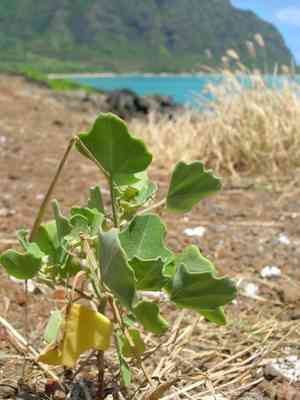
Alaweo, a unique indigenous Hawaiian plant, requires precise trimming to preserve its sturdy structure. Perform pruning in late winter or early spring, prior to the emergence of fresh shoots, to maximize its well-being and visual appeal. Remove any lifeless or frail stalks to improve air movement and light penetration, which are vital for the plant's flourishing. Consistent trimming not only upholds its dense shape but also aids in disease prevention by boosting the plant's general strength.
What Are the Benefits of Pruning Alaweo?
What Are the Benefits of Pruning Alaweo?
Trimming alaweo encourages robust development and assists in maintaining its desired form. Consistent cutting promotes denser leaves and healthier stems, enabling gardeners to effectively manage its size and visual appeal.
What Is the Best Time for Pruning Alaweo?
What Is the Best Time for Pruning Alaweo?
Trimming alaweo in late winter or early spring is considered ideal because this period coincides with the end of dormancy and just before the start of the new growth phase. Pruning at this stage ensures the plant recovers quickly and directs its energy to new growth in the subsequent season. Moreover, it helps preserve the plant's health by eliminating potentially frost-damaged branches, which are easier to spot at this time. This timing also prevents cutting shoots that will produce flowers or fruits in the coming months, safeguarding the plant's reproductive success.
What Tools Do I Need to Prune Alaweo?
Hand pruners (Secateurs)
Perfect for making clean cuts on the smaller, delicate stems of alaweo, which ensures minimal harm to the plant and encourages healthy regrowth.
Pruning shears
Useful for shaping and managing the size of alaweo by selectively trimming branches and leaves. This tool helps maintain a neat appearance and enhances plant vitality.
Long-handled loppers
Recommended for reaching deeper or higher parts of alaweo without straining the gardener. This tool allows for precise cutting of somewhat thicker stems that hand pruners cannot manage.
How to Prune Alaweo
Identify
Carefully inspect alaweo to locate dead or diseased branches. These branches often appear dry, brittle, or discolored and may show visible signs of fungal growth or decay.
Sanitation
Utilize sterilized pruning tools to prevent the spread of disease. Wipe the blades with a disinfectant solution or rubbing alcohol before making any cuts on alaweo.
Cut
Sever dead and diseased branches at their base, close to the main stem of alaweo. Ensure cuts are clean and smooth to facilitate rapid healing. Avoid tearing the bark to prevent further damage.
Dispose
Properly discard the removed branches to prevent reinfection or pest issues. Do not compost them as they might harbor pathogens. Instead, burn them or dispose of them with yard waste if permitted.
Monitor
Regularly observe alaweo after pruning for indications of stress or further disease problems. This will help detect any new issues early and maintain the health of alaweo.
Common Pruning Mistakes with Alaweo
Over-pruning
A frequent error is removing too much foliage at once, which can stress alaweo and diminish its vigor.
Improper technique
Using dull or unclean tools can harm the stems of alaweo, leading to poor healing and increased vulnerability to diseases.
Pruning at the wrong time
Trimming while alaweo is actively growing or when it is stressed by environmental factors can impede its growth and recovery.
Common Pruning Tips for Alaweo
Use the right tools
Employ sharp, clean pruning shears or scissors to make precise cuts. This helps prevent damage to alaweo's tissues and promotes quicker healing.
Prune for shape and health
Focus on removing dead or diseased foliage and thin out dense areas to improve air circulation. This helps maintain the health and aesthetic appeal of alaweo.
Conservative approach
Begin by pruning lightly, especially if you're uncertain. You can always prune more if necessary, but excessive removal in one go can be detrimental.



