How to Transplant Fremont's goosefoot?
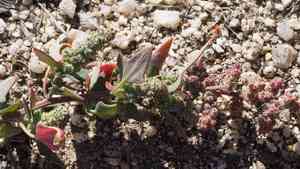
The most favorable period for relocating fremont's goosefoot is at the onset of spring, generally from its early to middle stages, which guarantees vigorous development. Choose bright spots featuring soil that drains effectively. Exercising caution during the transfer of root structures enhances the likelihood of success.
What Preparations are Needed Before Transplanting Fremont's Goosefoot?
What is the Ideal Time for Transplanting Fremont's Goosefoot?
The perfect time for moving fremont's goosefoot is in early spring, as the ground begins to warm. Relocating fremont's goosefoot during this revitalizing period allows roots to settle easily before summer's heat. This timing utilizes the plant's natural growth cycle, promoting strong development. Choosing this window for fremont's goosefoot guarantees a thriving start, aligning with nature's rhythm for peak health.
How Much Space Should You Leave Between Fremont's Goosefoot Plants?
When preparing to rehome your fremont's goosefoot, remember they appreciate their own space! Aim for a separation of approximately 6-12 inches (15-30 cm) between each plant. This provides ample room for them to flourish without competing for nutrients or sunlight.
What is the Best Soil Mix for Fremont's Goosefoot Transplanting?
Your fremont's goosefoot will flourish in soil that drains well. Before planting, incorporate some compost or a balanced, slow-release fertilizer to give them a robust beginning. This small addition will supply the nutrients your fremont's goosefoot requires for healthy and strong growth.
Where Should You Relocate Your Fremont's Goosefoot?
Select a sunny location for your fremont's goosefoot where it can receive at least 6 hours of direct sunlight daily. They enjoy basking in the sun, much like we do on a bright day at the beach! This will help ensure they have the energy to grow full and lush.
What Equipments Should You Prepare Before Transplantation Fremont's Goosefoot?
Gardening Gloves
To safeguard your hands while handling soil and plants.
Spade or Shovel
For excavating the plant and creating a hole for relocation.
Hand Trowel
Useful for managing smaller plants or in confined areas.
Watering Can or Hose
For hydrating the plant prior to and following transplantation.
Pruning Shears
To trim any damaged roots or foliage.
Wheelbarrow
To move the plant and soil if necessary.
Garden Fork
To loosen the soil surrounding the root ball.
Soil Amendment
To enrich the transplant hole if the existing soil requires improvement (specific type already determined).
Mulch
To apply around the plant's base after transplanting to retain moisture.
How Do You Remove Fremont's Goosefoot from the Soil?
How Do You Remove Fremont's Goosefoot from the Soil?
From Ground: Hydrate the fremont's goosefoot to moisten the soil. Dig a wide trench around the plant using a shovel or spade, ensuring the plant's root ball remains intact. Gently work the spade beneath the root ball to lift the plant.From Pot: Water the fremont's goosefoot and allow it to sit for a few moments. Turn the pot on its side and tap the bottom to dislodge the plant. Carefully pull the plant by its base, supporting its root ball.From Seedling Tray: Water the seedlings to make the soil damp. Use a hand trowel or a small stick to carefully lift the seedling out of the tray, including its root ball.
Step-by-Step Guide for Transplanting Fremont's Goosefoot
Preparation
Ensure all necessary tools are at hand and the new planting site is ready.
Watering Before Transplanting
Thoroughly water the fremont's goosefoot in its current spot to reduce transplant shock and help soil adhere to roots.
Root Ball Care
Carefully extract the fremont's goosefoot with a generous amount of surrounding soil to protect the root ball.
Hole Digging
At the new location, excavate a hole twice as wide and as deep as the root ball to ease the roots' transition.
Placing the Plant
Position the fremont's goosefoot in the center of the hole and adjust it to ensure it stands upright and at its original growing level.
Backfilling
Gently refill the hole with soil, lightly compacting it around the root ball to eliminate air pockets.
Watering After Transplanting
Water the fremont's goosefoot thoroughly post-transplant to settle the soil and hydrate the roots.
Mulching
Apply a layer of mulch around the plant to help maintain soil moisture and regulate temperature.
How Do You Care For Fremont's Goosefoot After Transplanting?
Regular Watering
Maintain consistent moisture levels around the fremont's goosefoot, especially during the initial weeks, to aid root establishment.
Monitoring
Closely observe the plant for indications of transplant shock, such as wilting or discolored leaves.
Adjustments
Stake the plant if you notice it leaning or unstable, providing support until the roots are firmly established.
Protection
Shield the fremont's goosefoot from harsh conditions like strong winds or heavy rain for a brief period to prevent additional stress.
Pruning
Remove any damaged or dead foliage to direct the plant's energy towards developing new growth.
Troubleshooting Common Issues with Fremont's Goosefoot Transplantation.
What's the best time to transplant fremont's goosefoot?
The ideal period is during the crisp vitality of early to mid-spring, as nature awakens.
How far apart should I space fremont's goosefoot when transplanting?
Allow each plant ample room to flourish by spacing them 6-12 inches (15-30 cm) apart.
Why are my transplanted fremont's goosefoot wilting?
Wilting may stem from transplant shock. Ensure careful handling and sufficient watering.
How much sun does fremont's goosefoot need after transplanting?
Place fremont's goosefoot in a sunny spot with partial shade to help it acclimate smoothly.
What soil type is best for transplanting fremont's goosefoot?
Choose well-draining soil, rich in organic matter to support fremont's goosefoot's growth.
How do I water fremont's goosefoot after transplanting?
Water generously initially to settle the soil, then maintain consistent moisture without over-saturating.
Can fremont's goosefoot cope with cold after transplanting?
Protect fremont's goosefoot from late frosts by using cloches or frost cloth as a protective covering.
Is it necessary to fertilize fremont's goosefoot after transplanting?
A mild feeding with a balanced fertilizer can encourage fremont's goosefoot to establish itself firmly.
Why isn't my fremont's goosefoot growing after transplant?
Check for root-bound issues, correct planting depth, and adequate sunlight.
Can fremont's goosefoot be transplanted on a hot day?
Avoid stressing fremont's goosefoot by transplanting on cooler, overcast days, ideally in the morning or evening.



