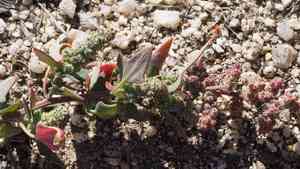
Fremont's goosefoot (Chenopodium fremontii)
Also known as: Fremont's Goosefoot
The Fremont's goosefoot (Chenopodium fremontii) is a versatile, shrubby flowering plant that can be found in a variety of habitats, ranging from deserts to shaded forests. This annual herb is notable for its ability to produce gold and green dyes. Named after the 19th-century western pioneer explorer John C. Frémont, it is also known to be a moderate allergen for many individuals.
In This Article
Attributes of Fremont's goosefoot
Lifespan
Annual
Plant Type
Herb
Plant Height
91 cm
Spread
N/A
Leaf Color
Grey-green
Flower Size
1-2 mm
Flower Color
White Green
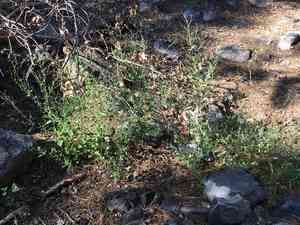
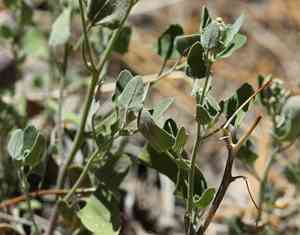
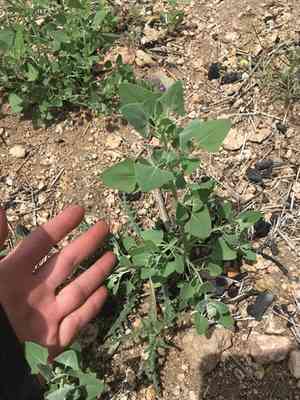
Images of Fremont's goosefoot
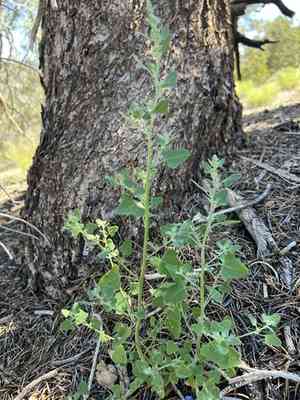
Quickly Identify Fremont's goosefoot
1
To identify Chenopodium fremontii, look for its characteristic grey-green leaves that are lance-shaped and have a mealy texture. The plant typically has small, greenish flowers that lack showy petals.
Scientific Classification of Fremont's goosefoot
Phylum
Vascular plants
Class
Dicotyledons
Order
Caryophyllales
Family
Amaranth
Genus
Goosefoots
Species
Fremont's goosefoot
Planting and Growing of Fremont's goosefoot
Care Difficulty
Moderate
Watering Schedule
Every 2 days
Sunlight Requirements
Full sun
Sunshine Duration
6-10 hours
Ideal Temperature
60-75℉
Soil Type
Potting Mix, Peat Mix
Soil pH
6.5-7.5
Fertilizer Type
Balanced
Pruning Season
Spring, Summer
Pruning Area
Branches, Leaves
Pruning Frequency
2 times a year
Repotting Season
Spring
Pot Type
Plastic, Ceramic
 How to Water Fremont's goosefoot?
When watering Chenopodium fremontii, ensure that the water soaks down to about 2-3 inches deep. The aim is for thorough moisture penetration without waterlogging. This allows the roots to absorb essential moisture without causing rot.
What are the symptoms of an underwatered Fremont's goosefoot?
›
What should I do if my Fremont's goosefoot is not getting enough water?
›
What are the symptoms of an overwatered Fremont's goosefoot?
›
How to save an overwatered Fremont's goosefoot?
›
 What Are the Sunlight Requirements for Fremont's goosefoot?
Chenopodium fremontii thrives best in environments with full sun exposure. Ideal lighting ensures healthier growth, better form, and more robust photosynthetic activity, leading to higher vitality and productivity.
More About Sunlight Requirements Techniques→
What is the ideal sunlight exposure for Chenopodium fremontii?
›
How can you achieve ideal lighting conditions?
›
What are the benefits of ideal lighting conditions?
›
 What Is the Ideal Temperature Range for Fremont's goosefoot?
The plant Chenopodium fremontii thrives best within a temperature range of 60°F to 75°F. In this range, the plant can efficiently photosynthesize and metabolize nutrients, promoting healthy growth and development.
 What Soil is Best for Fremont's goosefoot?
Chenopodium fremontii thrives in well-drained soil, which prevents waterlogging and supports healthy root development. Ensuring that the soil is well-drained can reduce the risk of root rot, a common issue in poorly drained environments. This plant prefers soil with moderate nutrient content. Providing balanced nutrients supports robust growth and strengthens the plant against pests and diseases. It does well without the need for excessive fertilization, making it a low-maintenance choice for gardeners. While Chenopodium fremontii can tolerate slightly alkaline conditions, a pH closer to neutral is ideal. This tolerance allows it to adapt to a range of soil environments, making it a versatile option for various geographical locations.
 How to Fertilize Fremont's goosefoot?
When fertilizing Chenopodium fremontii, use a balanced liquid fertilizer diluted to half strength. Apply about 200 milliliters per application, enough to moisten the soil without causing waterlogging. Solid, slow-release fertilizers should be applied at a rate of 10 grams per square meter of soil area, ensuring even distribution around the plant’s base.
 How to Prune Fremont's goosefoot?
Begin by carefully inspecting the plant to locate any dead, damaged, or diseased branches. Remove these branches first to prevent the spread of disease. Look for wispy or stray growth and trim these parts to maintain the plant's desired shape and promote denser growth. Shape the plant by cutting back any overgrown stems, ensuring to make cuts just above a leaf node to encourage new growth.
More About Pruning Techniques→
 How to Propagate Fremont's goosefoot plant?
1
Begin by preparing a loose, well-draining soil mix, enriched with organic matter. This type of soil ensures plenty of aeration and nutrient availability, promoting strong root development for sprouting seeds.
2
Sow the Chenopodium fremontii seeds evenly across the soil surface, lightly pressing them into the soil. It is important not to bury them too deep to ensure easy access to sunlight and proper germination.
3
Gently mist the soil with water to ensure it remains moist but not waterlogged. Consistent moisture encourages seeds to germinate without risk of rotting or fungal infections.
 How to Repot Fremont's goosefoot plant?
1
Chenopodium fremontii should be repotted when it shows signs of root overcrowding, such as roots growing through the drainage holes or visibly circling the pot's surface. Spring or early summer is ideal since it's their active growing season, allowing the plant to adjust quickly to new conditions.
2
Choose a pot that is 1-2 inches larger in diameter than the current one. Ensure it has ample drainage holes to prevent waterlogging. A slightly larger pot provides enough space for root growth without causing overly rapid soil drying or root rot due to excess moisture.
3
Opt for a well-draining, sandy soil mix that mimics its natural habitat. Such soil promotes healthy root aeration and prevents water retention, which could otherwise lead to root rot. A balanced mix ensures your Chenopodium fremontii thrives after repotting.
Learn More About Fremont's goosefoot Diseases
Anthracnose
Bacterial Leaf Spot
Bacterial Wilt
Chemical Injury
Cyst Nematode
Damping-off
Downy Mildew
Drought Stress
Fusarium Wilt
Gray Mold
Leaf Curl
Leaf Spot
Mosaic
Nutrient Deficiency
Nutrient Toxicity
Powdery Mildew
Root Rot
Root-knot Nematode
Rusts
Sooty Mold
Spider Mites
Temperature Stress
Thrips Damage
White Mold



