The Fremont's goosefoot Plant Advantage: Maximizing Home and Office Appeal and Wellness
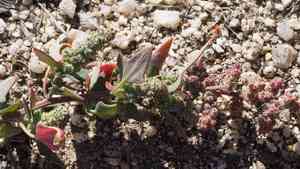
1
This untamed flora is recognized for its health advantages, such as abundant vitamins and minerals.
2
It flourishes across diverse soil compositions, rendering it adaptable for cultivation.
3
In the past, indigenous communities employed this vegetation for sustenance and therapeutic uses.
What Makes Fremont's goosefoot Nutritionally Valuable?
Rich Source of Vitamins and Minerals
A key advantage of Fremont's goosefoot is its high nutrient content. It's packed with essential vitamins, such as A and C, vital for good vision, immune function, and healthy skin. It also contains various minerals like calcium, iron, and magnesium, which support bone strength, blood production, and muscle activity.
Protein and Fiber Content
Beyond vitamins and minerals, Fremont's goosefoot provides a significant amount of plant-based protein and dietary fiber. Protein is crucial for muscle repair and development, while fiber aids digestion and promotes gut health. Incorporating Fremont's goosefoot into your diet can lead to a more balanced and nourishing meal plan.
How Can You Incorporate Fremont's goosefoot into Your Garden?
Adaptability to Various Soil Types
Fremont's goosefoot is known for thriving in diverse soil conditions, from sandy to loamy. This versatility makes it an excellent choice for gardeners seeking a robust plant that needs minimal care. Whether your garden is well-maintained or more natural, Fremont's goosefoot can integrate and flourish.
Ecological Benefits
In addition to being low-maintenance, Fremont's goosefoot offers significant ecological advantages. It helps stabilize soil and prevent erosion, making it ideal for areas prone to soil degradation. Furthermore, it supports local biodiversity by providing food and shelter for various insects and birds, contributing to a healthier ecosystem.
What Are Some Historical Uses of Fremont's goosefoot?
Traditional Food Source
Historically, Fremont's goosefoot served as a crucial food source for indigenous populations. Its seeds were often ground into flour for baking, and its leaves were eaten as greens. These traditional uses highlight the plant's versatility and nutritional density, recognized for centuries.
Cultural Significance
Fremont's goosefoot also holds cultural importance, particularly among native communities. It frequently appears in ceremonies and traditional medicine, demonstrating its vital role beyond just sustenance. Understanding this cultural significance can deepen our appreciation for the plant and encourage its respectful use.
What Are the Environmental Benefits of Cultivating Fremont's goosefoot?
Soil Health Improvement
Growing Fremont's goosefoot can greatly enhance soil health. Its deep root system helps aerate the soil and improve water penetration, which can boost the growth of nearby plants. Moreover, it can contribute to the soil's natural fertility, reducing the need for chemical fertilizers.
Promoting Biodiversity
By adding Fremont's goosefoot to your garden or landscape, you are fostering biodiversity. This plant supports a wide array of insects, including beneficial pollinators like bees and butterflies. A garden enriched with Fremont's goosefoot is likely to attract diverse wildlife, creating a more dynamic and sustainable environment.



