How to Transplant Red turtlehead?
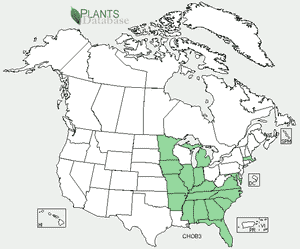
For optimal establishment, the ideal period to relocate red turtlehead is in its initial growth phases, either in spring or early summer. Red turtlehead flourishes in an environment featuring damp, adequately draining soil and dappled sunlight. Exercise caution with the root structure during transplantation to ensure a successful transition.
What Preparations are Needed Before Transplanting Red Turtlehead?
What is the Ideal Time for Transplanting Red Turtlehead?
The best time to move red turtlehead is at the beginning of spring or early summer. This timing allows red turtlehead sufficient time to establish itself before winter, promoting better development. Transplanting red turtlehead at this point provides it with the strength to endure harsh conditions and reach its full potential. Your red turtlehead will reward you with abundant growth.
How Much Space Should You Leave Between Red Turtlehead Plants?
When transplanting red turtlehead, it's advisable to provide these lovely perennials with ample room to grow. Aim for a spacing of approximately 12 inches (30 cm) between each plant, ensuring they have plenty of space to thrive.
What is the Best Soil Mix for Red Turtlehead Transplanting?
To make red turtlehead feel comfortable, prepare a well-draining soil rich in organic matter. Incorporating compost or aged manure as a base fertilizer will help supply essential nutrients for robust growth. Be sure to choose slightly acidic to neutral soil, ideally with a pH of 5.5-6.5.
Where Should You Relocate Your Red Turtlehead?
Regarding the perfect spot, red turtlehead will appreciate a location in your garden that receives partial to full sun. However, in warmer climates, protection from intense afternoon sun would be beneficial. Select a site that gets at least 4-6 hours of daily sunlight for your red turtlehead to flourish.
What Equipments Should You Prepare Before Transplantation Red Turtlehead?
Gardening Gloves
To ensure your safety while handling soil and the red turtlehead plant.
Shovel or Spade
For digging holes and extracting the plant from its original spot. A shovel is better for larger plants, while a spade might be easier for smaller ones.
Gardening Trowel
Useful for precise digging and planting, especially for young plants.
Watering Can or Hose
To hydrate the plant before removal, after planting, and for subsequent regular watering.
Plant Label and Marker
To help remember the species and type of plants if you're moving multiple plants.
Wheelbarrow
For transporting larger red turtlehead plants or several plants simultaneously.
How Do You Remove Red Turtlehead from the Soil?
How Do You Remove Red Turtlehead from the Soil?
From Ground: Start by watering the red turtlehead plant to moisten the soil. Proceed to dig a wide trench using a shovel or spade around the plant, always ensuring the plant's root ball remains intact. Carefully work the spade beneath the root ball to lift the plant from its original location.From Pot: Water the plant to dampen the soil within the pot. Turn the pot on its side and gently ease the plant and root ball out. If the plant resists, you may need to tap the sides of the pot to loosen it.From Seedling Tray: Water the seedlings, then use a trowel or appropriate tool to separate the seedlings, being careful not to harm the roots. Hold each seedling by its leaves to avoid damaging the stem and roots during removal.
Step-by-Step Guide for Transplanting Red Turtlehead
Preparation
Prepare the new site for red turtlehead; it should be ready before you begin the moving process. Dig a hole that is twice as wide and the same depth as the root ball.
Removal
Use the method described above to remove the red turtlehead from its current spot. Be gentle and aim to keep as much of the root ball intact as possible.
Placing the Plant
Position the plant in the prepared hole. The top of the root ball should be level with or slightly above the surrounding ground.
Backfilling
Carefully backfill the hole, placing soil around the root ball. Avoid covering the top of the root ball with soil.
Watering
After planting, water the red turtlehead generously, saturating the ground around it.
How Do You Care For Red Turtlehead After Transplanting?
Regular Watering
Frequent watering of red turtlehead plants is essential after transplantation. Ensure the soil is adequately moist but not waterlogged or soggy.
Check for Pests
Regularly inspect for pests or diseases that could potentially harm your plant. Early detection can facilitate prompt intervention.
Mulching
Applying mulch around the base of red turtlehead helps to retain soil moisture and regulate soil temperature, especially during warmer months.
Pruning
Prune as needed to maintain the desired shape and size of red turtlehead. Be mindful of its blooming cycle to avoid cutting off buds.
Troubleshooting Common Issues with Red Turtlehead Transplantation.
When's the perfect time to transplant red turtlehead?
Red turtlehead should be transplanted either in early spring or the start of summer. These periods are ideal because red turtlehead achieves its best growth in moderate temperatures.
How far apart should I place each red turtlehead during transplantation?
Ensure you leave sufficient room for red turtlehead to grow. Each plant requires its own space of about 12 inches (30 cm). This allows roots to spread and thrive.
Do I need to water red turtlehead immediately after transplanting?
Absolutely! Watering red turtlehead right after transplanting is crucial. It helps to settle the soil around the roots and reduces transplanting stress.
How deep should I plant red turtlehead when transplanting?
Keep red turtlehead at the same soil level as it was in its previous location. Planting too deep or shallow might hinder proper root growth.
Is it necessary to amend the soil before transplanting red turtlehead?
Yes, it's important to incorporate some compost or organic matter before planting. These nutrients will give red turtlehead a good start in its new location.
What should I do if the leaves of red turtlehead start to yellow after transplanting?
Yellowing leaves can often indicate watering problems. Adjust your watering routine: avoid both overwatering and underwatering. Keep the soil moderately moist.
What if red turtlehead seems stunted post-transplant?
Don't worry, some stunting after transplant is normal. Just ensure red turtlehead has adequate sun, water, and nutrients, and it should recover over time.
Do I need to prune red turtlehead after transplanting?
Not essential, but light pruning can lessen stress by balancing root loss. Remember, only prune lightly and avoid heavy pruning until recovery.
How to deal with any pest attack after transplanting red turtlehead?
Regularly inspect red turtlehead for pests. If detected, early treatment with a suitable pesticide, preferably organic, will help your plant stay healthy.
What care should be taken during the first few weeks after transplanting red turtlehead?
Red turtlehead will require special attention in the initial few weeks. Consistent watering, protected sun exposure, and occasional feeding will safeguard your plant's health.



