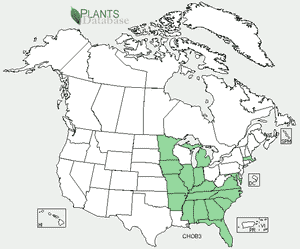
Red turtlehead (Chelone obliqua)
Also known as: Pink turtlehead, Shellflower, Twisted shell flower
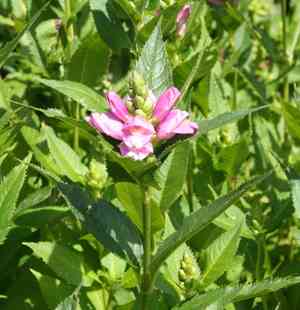
The Turtlehead (Chelone glabra) is a wildflower indigenous to North America and is rare in certain regions where it is listed as endangered. Its distinctive flowers, resembling the head of a turtle, bloom from mid to late summer and are known for being fragrance-free.
In This Article
Attributes of Red turtlehead
Lifespan
Perennial
Plant Type
Herb
Plant Height
61 cm to 91 cm
Spread
30 cm to 60 cm
Leaf Color
Green
Flower Size
2.5 cm
Flower Color
Pink Purple
Images of Red turtlehead
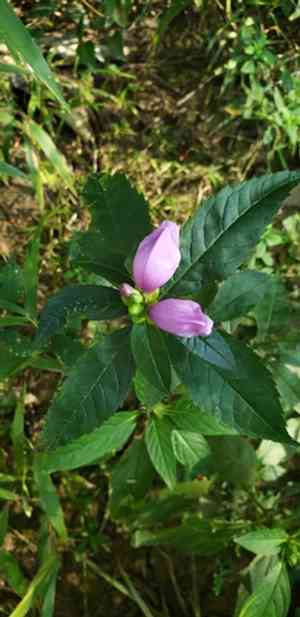
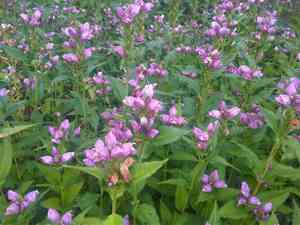
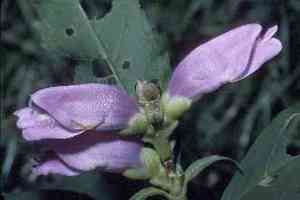
Quickly Identify Red turtlehead
1
Turtlehead can be identified by its upright growth habit, opposite, toothed leaves, and pink to purple, snapdragon-like flowers that bloom in late summer to early fall.
Scientific Classification of Red turtlehead
Phylum
Vascular plants
Class
Dicotyledons
Order
Lamiales
Family
Plantain
Genus
Chelone
Species
Red turtlehead
Planting and Growing of Red turtlehead
Care Difficulty
Easy
Watering Schedule
Every 4 days
Sunlight Requirements
Full sun
Sunshine Duration
4-8 hours
Ideal Temperature
60-75℉
Soil Type
Potting Mix, Peat Mix
Soil pH
6.5-7.5
Fertilizer Type
Balanced
Pruning Season
Spring, Summer
Pruning Area
Branches, Leaves
Pruning Frequency
2 times a year
Repotting Season
Spring
Pot Type
Plastic, Ceramic
 How to Water Red turtlehead?
The watering amount for Chelone obliqua should ensure that the soil remains evenly moist without becoming soggy. Aim to water approximately 500 milliliters each time, ensuring the water penetrates to the roots without pooling at the surface.
What are the symptoms of an underwatered Red turtlehead?
›
What should I do if my Red turtlehead is not getting enough water?
›
What are the symptoms of an overwatered Red turtlehead?
›
How to save an overwatered Red turtlehead?
›
 What Are the Sunlight Requirements for Red turtlehead?
Chelone obliqua flourishes in a light range that encompasses both full sun and partial sun. This balance allows it to receive sufficient sunlight for energy production while avoiding the stress of continuous high-intensity light. The result is a plant with lush foliage and vibrant blooms.
More About Sunlight Requirements Techniques→
How much sun does Chelone obliqua prefer?
›
What strategies maximize light exposure?
›
What are the benefits of ideal lighting?
›
 What Is the Ideal Temperature Range for Red turtlehead?
For optimal growth, Chelone obliqua thrives best in temperatures ranging from 60°F to 75°F. This range provides an environment similar to its native conditions, promoting healthy foliage and vibrant blooms. Consistently maintaining these temperatures encourages robust plant health.
 What Soil is Best for Red turtlehead?
Chelone obliqua thrives in moist conditions, so the soil should retain water adequately without becoming waterlogged. This moisture retention ensures that the plant can maintain its vibrant foliage and produce abundant flowers. The plant requires soil that is rich in nutrients to support its growth. Enriching the soil with organic matter like compost can ensure that Chelone obliqua receives a steady supply of essential nutrients, leading to healthier and more robust growth. While it enjoys moist soils, Chelone obliqua demands good drainage to prevent root rot. Ensuring the soil has a proper balance of moisture and drainage is crucial to maintain the health of the plant's root system.
More About Soil→
 How to Fertilize Red turtlehead?
For Chelone obliqua, the recommended fertilizer amount is approximately half the recommended dose on the fertilizer’s label. Use a balanced 10-10-10 NPK formula for best results, as this provides an even supply of nutrients.
More About Fertilizing Techniques→
 How to Prune Red turtlehead?
Begin by removing any dead or damaged stems at the base. This prevents the spread of decay and diseases. Cut just above a node to encourage new growth and a bushier appearance. It's also a good idea to trim back stems that are encroaching on other plants or pathways. After flowering, spend time deadheading spent blooms. This prevents the plant from going to seed and directs its energy towards root development and preparing for the next blooming cycle.
More About Pruning Techniques→
 How to Propagate Red turtlehead plant?
1
Harvest Chelone obliqua seeds from mature pods during autumn. Ensure the seeds are completely dry before storing them in a cool, dark place until ready for spring sowing.
2
In early summer, select healthy non-flowering stems and cut just below a node. Remove the lower leaves and place the cutting in water or a rooting hormone for better results.
3
In spring, when new growth appears, carefully dig around the plant base and divide the roots. Make sure each section has a healthy set of roots and shoots before replanting.
 How to Repot Red turtlehead plant?
1
Chelone obliqua needs repotting when roots outgrow the pot, showing at the pot's surface or through drainage holes. Additionally, if the soil dries too quickly or becomes compacted, it's time to consider moving to a bigger pot. Early spring or summer is ideal, as new growth is beginning.
2
Select a pot that is one size larger than the current one, with ample drainage holes. This ensures proper root growth and prevents waterlogging, reducing the risk of root rot. The material of the pot should also retain some moisture without becoming waterlogged, such as ceramic or high-quality plastic.
3
Opt for a well-draining and rich soil mix that can retain moisture while ensuring excess water is efficiently drained. A mixture containing peat, perlite, and pine bark will provide the perfect substrate, supporting lush growth and preventing root saturation that could lead to fungal issues.
Learn More About Red turtlehead Diseases
Anthracnose
Bacterial Leaf Spot
Bacterial Soft Rot
Bacterial Wilt
Black Spot
Chemical Injury
Crown Gall
Cyst Nematode
Damping-off
Downy Mildew
Drought Stress
Fusarium Wilt
Gray Mold
Leaf Curl
Leaf Spot
Mosaic
Nutrient Deficiency
Nutrient Toxicity
Powdery Mildew
Root Rot
Root-knot Nematode
Rusts
Sooty Mold
Spider Mites
Temperature Stress
Thrips Damage
White Mold



