How to Overwinter Red turtlehead
1
Red turtlehead plants are resilient in cold weather, tolerating temperatures down to -30°C (-22°F).
2
Applying mulch safeguards the root systems of Red turtlehead plants throughout the colder months.
3
Decreasing irrigation in winter is crucial for Red turtlehead plants to avoid root decay.
Understanding the Hardiness of Red turtlehead
Understanding the Hardiness of Red turtlehead
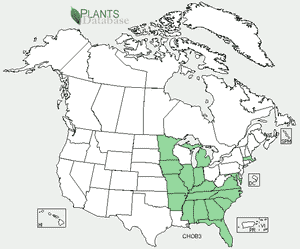
The Red turtlehead plant, known scientifically as Chelone obliqua, is a robust perennial native to North America. This durability means it can withstand cold winter temperatures, making it a good option for gardeners in areas with severe winters. Knowing the plantâs hardiness is key for successful overwintering, as it guides preparation and helps anticipate necessary protective measures.
Preparing Red turtlehead for Winter
When to Start Preparing
Begin preparing your Red turtlehead for winter in late autumn, typically when the initial frost is anticipated. This ensures the plant is well-adapted and shielded before extreme cold sets in. Early preparation aids in gradually transitioning the plant into dormancy, which is vital for its survival through the winter months.
Cutting Back the Foliage
Trimming the foliage is an important step in getting Red turtlehead ready for winter. Cut the stems down to approximately 5-10 cm (2-4 inches) above the ground after the first frost. This cleanup not only helps prevent disease but also directs the plant's energy towards root preservation instead of maintaining leaves during the cold.
Mulching Appropriately
Applying mulch is essential to safeguard the roots of Red turtlehead during winter. Add a layer of organic mulch, such as straw or pine needles, around the plant's base. A depth of about 5-10 cm (2-4 inches) is ideal. This provides insulation against freezing and thawing cycles, which can harm the roots.
Watering Needs During Winter
Reducing Watering Frequency
During winter, itâs crucial to decrease the watering frequency for Red turtlehead plants. Overwatering can lead to root rot, especially when the soil is cold and drainage is slow. Water the plant sparingly, only when the soil feels dry to the touch. Generally, watering once every three to four weeks should be sufficient.
Ensuring Proper Drainage
Adequate drainage is critical to prevent waterlogging during winter. If your garden soil has poor drainage, consider amending it with sand or organic matter to improve its structure. Alternatively, planting Red turtlehead in raised beds can also help ensure excess water drains away efficiently, protecting the roots from rot.
Protecting Red turtlehead from Frost
Using Covers and Cloches
To provide extra protection against frost, use covers or cloches over your Red turtlehead plants. These coverings trap heat and shield the plants from the harshest winter winds. Ensure the covers are secured firmly but still allow some air circulation to prevent mold growth.
Placing in a Sheltered Location
If Red turtlehead is grown in pots, consider moving them to a more protected spot, such as a garage or cold frame, during winter. This additional barrier can help protect them from the elements, ensuring they emerge healthy in the spring.
Common Mistakes to Avoid When Overwintering Red turtlehead
Overwatering During Winter
Overwatering is a frequent error that can harm Red turtlehead plants during winter. Excessive moisture in the soil can lead to root rot and other fungal issues. It is vital to reduce watering and only irrigate when necessary, ensuring the soil is allowed to dry out between waterings.
Neglecting to Mulch Properly
Failing to mulch or incorrectly applying mulch can leave Red turtlehead roots vulnerable to cold damage. Ensure you add a thick layer of mulch to insulate the roots effectively. This simple step can significantly increase the plantâs chances of surviving harsh winter conditions.
Pruning Too Late
Pruning too late in the season can leave Red turtlehead plants susceptible to frost. It's crucial to cut back the foliage shortly after the first frost but not before, as early pruning can trigger new growths that are too tender to survive the upcoming cold.



