How to Transplant Fairywand?
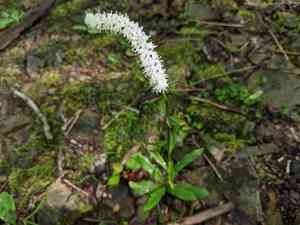
It is advisable to relocate fairywand as summer approaches, specifically in the transitional period from late spring to early summer. Select a location offering filtered sunlight, confirm the presence of fertile, adequately draining soil, and ensure continuous hydration following the transplant.
What Preparations are Needed Before Transplanting Fairywand?
What is the Ideal Time for Transplanting Fairywand?
Relocate your fairywand as spring blooms fade into the warmth of early summer, allowing optimal root establishment before intense heat. Utilize this prime calendar window to ensure your fairywand thrives, benefiting from temperate weather for robust development. Moving fairywand during this gentle transition enables roots to adapt without extreme temperature stress, promoting a burst of vitality just in time for the growing season.
How Much Space Should You Leave Between Fairywand Plants?
Greetings! When placing fairywand, provide ample room for growth! Aim for a separation of approximately 12 inches (30 cm) to 3 feet (91 cm). This offers sufficient space for them to develop strongly without overcrowding. Happy planting!
What is the Best Soil Mix for Fairywand Transplanting?
For fairywand, a well-draining, nutrient-rich soil is optimal. Consider incorporating a balanced, slow-release fertilizer into the soil as a base. This will give fairywand an excellent start! Look for fertilizers labeled 'complete' for ease of use.
Where Should You Relocate Your Fairywand?
Position fairywand in a spot where they will receive filtered sunlight or light shade. Direct sun can be too harsh for them, so seek a location that mimics the illumination of a forest clearing. They will appreciate it!
What Equipments Should You Prepare Before Transplantation Fairywand?
Gardening Gloves
To safeguard your hands while handling soil and fairywand.
Shovel or Spade
For excavating and lifting the plant's root mass.
Garden Fork
To gently loosen the soil without harming the roots, if required.
Watering Can or Hose
To hydrate the plant before and after its relocation.
Pruning Shears
To trim away any damaged or dead roots prior to transplanting.
Wheelbarrow or Garden Cart
To move the fairywand to its new site.
Measuring Tape
To assist in correctly spacing the transplanted specimens.
How Do You Remove Fairywand from the Soil?
How Do You Remove Fairywand from the Soil?
From Ground: First, thoroughly water the fairywand to moisten the earth. Then, use a shovel or spade to dig a wide circle around the plant, being careful not to harm the root ball. Gently slide the tool beneath the roots, and lift the plant from the ground.From Pot: Water the fairywand and allow it to drain. Turn the container sideways and tap its edges on a firm surface to loosen the soil. Carefully remove the plant by tipping it out or supporting the base and easing it free.From Seedling Tray: Water the seedlings well. Use a spatula or a plant marker to gently pry the fairywand from its cell, supporting the root ball as you lift it.
Step-by-Step Guide for Transplanting Fairywand
Transplant Timing
Schedule the relocation for a cloudy day or late afternoon to minimize stress on the fairywand.
Hole Preparing
Excavate a hole in the new spot twice as wide and the same depth as the root ball to ensure ample space for the roots.
Root Pruning
Before placing fairywand in its new location, snip off any dead or excessively long roots with pruning shears.
Plant Positioning
Position the fairywand in the prepared hole, gently spreading the roots to encourage natural growth.
Soil backfilling
Partially refill the hole with native soil around the fairywand, lightly pressing the soil to eliminate air pockets.
Watering
Once in place, generously water the fairywand to help settle the soil and provide moisture for the roots.
Support Adding
If the fairywand is tall or top-heavy, gently stake the plant for additional support.
Mulching
Apply a layer of mulch around the base of the fairywand, keeping it away from the stem to reduce weeds and retain soil moisture.
How Do You Care For Fairywand After Transplanting?
Observation
Monitor the fairywand closely for signs of stress like wilting or discolored leaves, which may signal a need for adjustments.
Support Monitoring
Regularly check stakes, if used, and adjust as necessary without harming the fairywand.
Week1 Aftercare
Water the fairywand daily or as needed to keep the soil moist but not waterlogged during the initial week.
Long-Term Care
After the first week, decrease watering frequency, but ensure the fairywand receives sufficient water to thrive, especially during dry periods.
Troubleshooting Common Issues with Fairywand Transplantation.
Why is my fairywand wilting after transplanting?
Wilting can occur if roots were damaged during the move. Ensure careful handling and thorough watering post-transplant.
What's the best time to transplant fairywand for optimal growth?
Relocate fairywand during the ideal period of late spring to early summer, when weather conditions are mild.
How do I choose the right spot for transplanting fairywand?
Select a partially shaded location with well-draining soil to emulate fairywand's natural forest environment.
How much space does fairywand need when transplanting?
Space fairywand between 12 inches (30 cm) to 3 feet (91 cm) apart to allow ample room for expansion.
What soil conditions does fairywand prefer when transplanting?
Aim for rich, moist, yet well-draining soil with a slightly acidic to neutral pH for fairywand.
How often should I water fairywand after transplanting?
Maintain consistently moist but not waterlogged soil, watering approximately once a week or as required.
Can I use fertilizer after transplanting fairywand?
Allow fairywand to establish in its new location before applying a balanced fertilizer, typically after the first few weeks.
How deep should I plant fairywand's root ball?
Plant the root ball level with the soil surface, ensuring the crown is not buried to prevent rot.
Should I prune fairywand when transplanting?
Pruning is not essential when relocating fairywand, but removing any damaged leaves can encourage new growth.
Why are my fairywand's leaves turning yellow after transplanting?
Yellow leaves may indicate a watering issue or transplant shock. Ensure proper moisture levels and minimize root disturbance.



