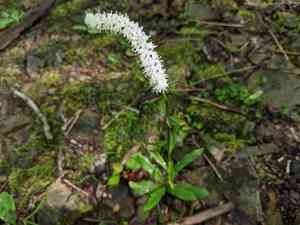
Fairywand (Chamaelirium luteum)
Also known as: Blazing star
Chamaelirium luteum, also known as false unicorn or fairy wand, thrives in moist, well-drained soils found in eastern North American deciduous forests, meadows, and stream banks. This plant is increasingly rare due to habitat loss and overharvesting, making it essential not to collect it from the wild. Its conservation status is concerning, and wild collection could further jeopardize its survival.
In This Article
Attributes of Fairywand
Lifespan
Perennial
Plant Type
Herb
Plant Height
61 cm to 1.2 m
Spread
15 cm
Leaf Color
Green
Flower Size
1 cm to 1.5 cm
Flower Color
White
Images of Fairywand
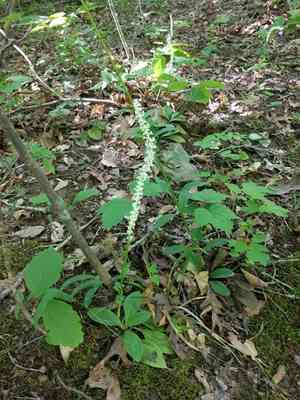

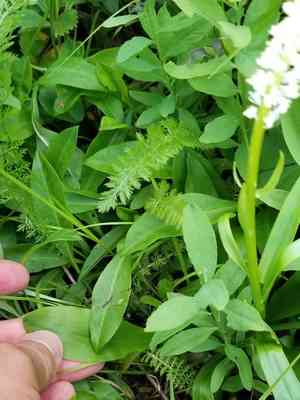
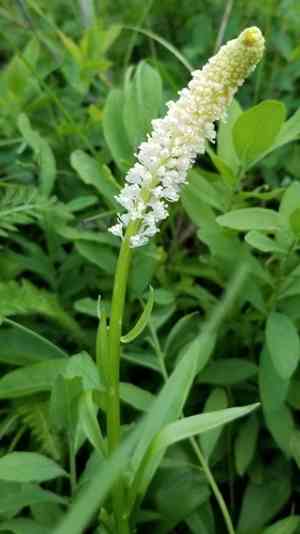
Quickly Identify Fairywand
1
Distinct sexual dimorphism with larger flowers on male plants and smaller blooms on female plants.
2
Basal rosette of lance-shaped leaves; plant can reach up to 2 feet (60 cm) in height.
3
Small white flowers clustered on a 4 to 8-inch (10 to 20 cm) spike or raceme.
4
3-valved ellipsoid capsule fruit mature by September; aids in seed dispersal.
5
Basal rosette leaves with spoon-shaped leaves measuring 3-8 inches (7.5-20 cm); green coloring.
Scientific Classification of Fairywand
Phylum
Vascular plants
Class
Monocotyledons
Order
Liliales
Family
Bunchflower
Genus
Blazing-star
Species
Fairywand
Planting and Growing of Fairywand
Care Difficulty
Moderate
Watering Schedule
Every 3 days
Sunlight Requirements
Partial sun
Sunshine Duration
6-10 hours
Ideal Temperature
60-70℉
Soil Type
Potting Mix, Peat Mix
Soil pH
6.5-7.5
Fertilizer Type
Balanced
Pruning Season
Spring, Summer
Pruning Area
Branches, Leaves
Pruning Frequency
2 times a year
Repotting Season
Spring
Pot Type
Terracotta, Plastic
 How to Water Fairywand?
Chamaelirium luteum, commonly known as fairy wand, thrives best with moderate watering. Ensure the soil remains consistently moist but not waterlogged. Each watering should provide approximately 250 mL of water, enough to reach the root zone without causing excess runoff.
What are the symptoms of an underwatered Fairywand?
›
What should I do if my Fairywand is not getting enough water?
›
What are the symptoms of an overwatered Fairywand?
›
How to save an overwatered Fairywand?
›
 What Are the Sunlight Requirements for Fairywand?
Partial sun is ideal, providing a balance of light for Chamaelirium luteum. It benefits from this range by displaying vibrant growth and maintaining robust health, akin to its natural environment.
More About Sunlight Requirements Techniques→
What is the best light exposure for Chamaelirium luteum?
›
How can I provide ideal lighting conditions?
›
What are the benefits of offering ideal light conditions?
›
 What Is the Ideal Temperature Range for Fairywand?
The ideal temperature range for Chamaelirium luteum is between 60°F and 70°F. These conditions mimic its native environment, promoting optimal growth and development. Within this range, the plant can maintain its metabolic functions efficiently, ensuring healthy leaves and vibrant blooms.
 What Soil is Best for Fairywand?
Chamaelirium luteum thrives in well-aerated soils. Proper aeration allows adequate root respiration and enhances nutrient uptake, promoting robust growth and overall plant health. The soil should retain moisture without becoming waterlogged. This balance ensures the plant gets a consistent supply of water, which prevents stress caused by drought or excessive soil dryness. A nutrient-rich soil is crucial for Chamaelirium luteum. Fertile soils provide essential nutrients that support vigorous growth, healthy foliage, and vibrant blooms.
 How to Fertilize Fairywand?
For Chamaelirium luteum, apply liquid fertilizer at half strength, typically dilute to about 1 teaspoon per gallon of water. The focus should be on creating a balanced nutrient environment without overwhelming the plant with excess nutrients.
 How to Prune Fairywand?
For Chamaelirium luteum, use sharp, clean pruning shears or scissors depending on the size of the foliage you are addressing. Carefully inspect the plant to identify dead, damaged, or diseased leaves. Cut these back to the base or to a healthy set of leaves. To maintain a pleasing shape, selectively thin out crowded areas, ensuring even spacing of the foliage for optimal growth.
More About Pruning Techniques→
 How to Propagate Fairywand plant?
1
Collect seeds during the late summer when they are mature. Clean them to remove any debris or pulp. Before planting, stratify the seeds by placing them in a refrigerator, simulating winter conditions, for about 60 days.
2
In early spring, sow the stratified seeds in seed trays filled with a seed-starting mix. Cover them lightly with soil, water gently, and place the trays in a warm, sunny area. Maintain consistent moisture for successful germination.
3
In late spring, carefully dig up the mature Chamaelirium luteum. Use a garden fork to divide the rhizome into sections, ensuring each section has shoots and roots. Replant the divisions promptly to reduce transplant shock.
 How to Repot Fairywand plant?
1
Chamaelirium luteum needs repotting when you notice roots growing out of the drainage holes or emerging on the soil surface. Another sign is when the plant's growth slows considerably despite optimal care. It's best to check your plant in early spring or autumn as these seasons encourage less stress during the transition.
2
Choose a pot that's 1-2 inches larger in diameter than the current one. Ensure it has ample drainage holes. This growth space encourages healthy root development and prevents waterlogging. Material like clay or ceramic is ideal as they allow the soil to breathe and prevent root rot.
3
Opt for a soil mix that is rich in organic matter and ensures good drainage. The soil should maintain slight moisture while preventing root rot, offering the plant an ideal balance of nutrients and support. Use a mixture with peat moss, pine bark, and perlite for best results.
Learn More About Fairywand Diseases
Anthracnose
Bacterial Leaf Spot
Bacterial Soft Rot
Bacterial Wilt
Black Spot
Chemical Injury
Crown Gall
Cyst Nematode
Damping-off
Downy Mildew
Drought Stress
Fusarium Wilt
Gray Mold
Leaf Spot
Mosaic
Nutrient Deficiency
Nutrient Toxicity
Powdery Mildew
Root Rot
Root-knot Nematode
Rusts
Sooty Mold
Spider Mites
Temperature Stress
Thrips Damage
White Mold



