How to Prune Fairywand?
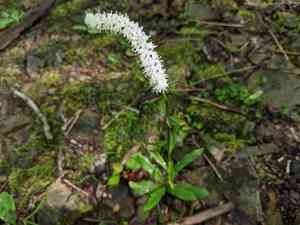
Recognized for its pendulous white blossoms and therapeutic attributes, fairywand flourishes with infrequent trimming. To preserve its vitality and aesthetic, eliminate deceased or compromised leaves in late winter or early spring, prior to the emergence of new shoots. This schedule enables cultivators to sculpt the plant and regulate its dimensions without interfering with its developmental rhythm. Trimming fairywand can boost its robustness, potentially augmenting its flowering and fostering a neat form. Judicious excision of particular sections can avert undue strain on the plant.
What Are the Benefits of Pruning Fairywand?
What Are the Benefits of Pruning Fairywand?
Trimming fairywand encourages robust development and helps maintain its desired form, which is crucial for its decorative appeal. This practice fosters a strong framework, allowing fairywand to thrive optimally in garden environments.
What Is the Best Time for Pruning Fairywand?
What Is the Best Time for Pruning Fairywand?
The optimal period for trimming fairywand is during late winter and early spring. This timing is ideal as it occurs just before the start of the new growth cycle, while the plant remains dormant. Pruning at this time minimizes stress on fairywand, promoting a strong emergence of new growth as temperatures rise. Furthermore, with no foliage present, fairywand's structure is more visible, enabling precise cuts and the removal of any dead or diseased tissue without harming the plant's health or its blooming potential. By pruning just before the active growth phase, gardeners ensure fairywand can recover quickly and direct its energy into flourishing and producing flowers throughout the growing season.
What Tools Do I Need to Prune Fairywand?
Hand Pruners
Perfect for making clean cuts on the slender stems of fairywand. Choose bypass pruners for a clean, healthy cut, essential for fairywand's upkeep.
Sharp Scissors
Useful for snipping off dead or yellowed leaves without harming fairywand's delicate stems. The precision of scissors is advantageous for the detailed grooming required.
Gardening Gloves
Recommended to safeguard your hands when trimming fairywand, as they can protect against potential skin irritants or sharp edges while handling the plant.
How to Prune Fairywand
Disinfect tools
Before trimming fairywand, sanitize all pruning implements using either rubbing alcohol or a 10% bleach solution to prevent disease transmission.
Remove diseased leaves
Carefully check fairywand for diseased foliage, indicated by unusual spots, colors, or textures. Gently snip these leaves at their base with sharp pruning shears, taking care not to harm the surrounding healthy tissue.
Remove withered leaves
Identify any withered or lifeless leaves on fairywand, which may appear dry and brown. Prune these leaves at their base to encourage healthy growth and improve air circulation around the plant.
Dispose of debris
Gather all removed leaves and discard them away from the garden area to minimize the risk of disease spreading to other plants.
Clean up
After finishing the pruning process, clean the tools again using the disinfection method from step 1. This ensures the tools remain free of any potentially infectious plant material.
Common Pruning Mistakes with Fairywand
Overpruning
Removing too much foliage from fairywand can stress the plant, leading to reduced overall health and flowering capacity. Aim to prune no more than one-third of the plant at a time.
Improper tool use
Using dull or unclean tools can damage fairywand's stems, resulting in jagged cuts and increased disease risk. Ensure pruning tools are clean and sharp before use.
Cutting at wrong angle
Incorrect cut angles can cause water to collect on cut surfaces, promoting rot. Make sure to cut at a 45-degree angle so water drains off the cut surface.
Ignoring dead or diseased growth
Failing to remove dead or diseased parts of fairywand can hinder new growth and spread illness. Always prune away unhealthy sections of the plant.
Neglecting plant shape
Pruning without considering fairywand's natural form can lead to an unbalanced or misshapen appearance. Always consider the plant's structure as you prune.
Pruning active growth
Cutting away actively growing parts of fairywand can halt its development and reduce its vigor. Focus on pruning dead or overgrown sections instead of new growth.
Common Pruning Tips for Fairywand
Know plant structure
Understand fairywand's growth habit to make informed decisions about where to cut. Prune strategically to maintain the plant's integrity and shape.
Sanitize tools
Clean pruning tools before and after tending to fairywand, to prevent the spread of pests and diseases between plants.
Sharp cuts
Use sharp tools to make clean cuts, which heal faster and are less prone to disease, benefiting fairywand's overall health.
Remove dead material
Regularly remove dead, damaged, or diseased stems and foliage from fairywand to promote healthy growth and improve air circulation around the plant.
Encourage good habits
Prune fairywand in a way that promotes desirable growth patterns and ensures strong supports for the flowering stems.
Consider growth cycle
While season-specific pruning is excluded, being mindful of fairywand's growth cycle when pruning will maximize flower production and plant vigor.



