How to Transplant Whiteray leastdaisy?
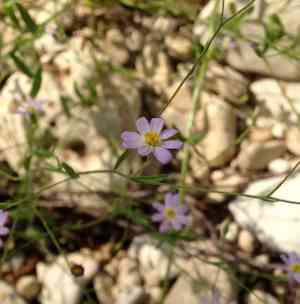
Whiteray leastdaisy flourishes when transplanted in the gentle period of early spring, thriving in the mild climate. Select a location receiving abundant sunshine and possessing effective drainage. Verify that the earth is thoroughly prepared and damp to ensure a smooth establishment.
What Preparations are Needed Before Transplanting Whiteray Leastdaisy?
What is the Ideal Time for Transplanting Whiteray Leastdaisy?
Moving whiteray leastdaisy in early spring promotes optimal root development, utilizing the cooler temperatures and increased soil moisture. This timing encourages robust growth by summer. Early relocation reduces transplant shock, ensuring whiteray leastdaisy flourishes with minimal soil disruption and stable weather, leading to strong health and blooming.
How Much Space Should You Leave Between Whiteray Leastdaisy Plants?
When transplanting whiteray leastdaisy, ensure each plant is spaced 6-12 inches (15-30 cm) apart. This provides ample room for growth and air circulation, fostering healthier plants and reducing disease risk.
What is the Best Soil Mix for Whiteray Leastdaisy Transplanting?
Prepare well-draining soil with ample organic matter for whiteray leastdaisy. Incorporating compost or a balanced base fertilizer will aid plant vitality. Aim for a loose, crumbly soil mix to encourage root expansion.
Where Should You Relocate Your Whiteray Leastdaisy?
Select a sunny location receiving at least 6 hours of full sunlight daily for whiteray leastdaisy. More sun leads to better growth and flowering. Ensure the site is not prone to waterlogging.
What Equipments Should You Prepare Before Transplantation Whiteray Leastdaisy?
Gardening Gloves
To safeguard your hands while handling soil and plants.
Shovel or Spade
For excavating the plant and the new planting hole.
Trowel
Useful for precise digging and careful manipulation around plant roots.
Watering Can or Hose
To hydrate the plant before and after the relocation process.
Garden Fork
To aerate the soil around the plant and in the new planting area.
Mulch
To assist in retaining soil moisture post-transplanting.
How Do You Remove Whiteray Leastdaisy from the Soil?
How Do You Remove Whiteray Leastdaisy from the Soil?
From Ground: First, moisten the soil around the whiteray leastdaisy plant. Then, dig a wide trench around the plant using a shovel or spade, ensuring the root ball remains intact. Carefully work the spade beneath the root ball to lift the plant from its original spot.From Pot: Lightly water the whiteray leastdaisy plant to make the soil slightly damp. Gently turn the pot on its side and tap the bottom to loosen the plant. Carefully ease the plant out by pulling the base of the stem and the root ball.From Seedling Tray: Water the whiteray leastdaisy seedlings to ensure the soil is moist. Using a trowel or your fingers, gently lift each seedling from underneath, making sure to keep as much of the root system intact as possible.
Step-by-Step Guide for Transplanting Whiteray Leastdaisy
Site Preparation
Ensure the new planting location is ready. Dig a hole that is twice as wide and the same depth as the whiteray leastdaisy plant's root ball.
Removal
Carefully extract the whiteray leastdaisy plant from its initial spot as described previously.
Planting
Place the whiteray leastdaisy plant into the prepared hole. Ensure the top of the root ball is level with the surrounding ground.
Backfilling
Fill the hole with soil, gently pressing it down to eliminate any air pockets. Be careful not to plant the specimen too deeply.
Watering
Thoroughly water the newly transplanted whiteray leastdaisy plant to help settle the soil around its roots.
Mulching
Apply a layer of mulch around the plant's base to retain moisture and protect the roots.
How Do You Care For Whiteray Leastdaisy After Transplanting?
Watering
Keep the soil around the whiteray leastdaisy consistently moist, but not waterlogged, for the initial weeks post-transplant to aid in strong root establishment.
Monitoring
Regularly inspect the whiteray leastdaisy plant for any signs of stress like wilting or yellowing leaves, and adjust care as needed.
Support
If necessary, provide physical support such as stakes or ties to help the whiteray leastdaisy plant remain upright while it establishes.
Weeding
Keep the area around the whiteray leastdaisy plant free of weeds to reduce competition for nutrients and water.
Troubleshooting Common Issues with Whiteray Leastdaisy Transplantation.
When is the best time to transplant whiteray leastdaisy?
Early spring is the optimal period to relocate whiteray leastdaisy for best growth and recovery.
How far apart should whiteray leastdaisy be spaced?
Whiteray leastdaisy should be spaced 6-12 inches (15-30 cm) apart for ideal growth.
What should I do if the roots are tangled?
Gently untangle matted roots by hand to encourage better establishment after transplanting.
Should I water whiteray leastdaisy immediately after transplanting?
Yes, thoroughly water whiteray leastdaisy right after transplanting to help establish the roots.
What soil conditions are best for whiteray leastdaisy?
Whiteray leastdaisy thrives in well-draining soil with moderate fertility. Avoid heavy, waterlogged soil.
How deep should I plant whiteray leastdaisy?
Plant whiteray leastdaisy at the same depth it was growing in its original container or location.
How can I protect whiteray leastdaisy from transplant shock?
To minimize transplant shock, water consistently and provide some shade during hot days.
Should I use mulch around whiteray leastdaisy after transplanting?
Yes, apply mulch around whiteray leastdaisy to retain moisture and regulate soil temperature.
Can I fertilize whiteray leastdaisy right after transplanting?
Wait a few weeks after transplanting whiteray leastdaisy before applying any fertilizer to avoid root burn.
How to handle whiteray leastdaisy if it starts wilting after transplanting?
Ensure whiteray leastdaisy is well-watered, provide some shade, and avoid overwatering to facilitate recovery.



