How to Propagate Whiteray leastdaisy?
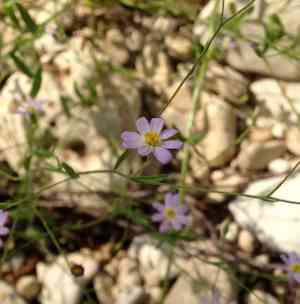
Whiteray leastdaisy is a perennial herbaceous plant indigenous to particular areas, flourishing in porous, stony ground. Reproduction is most effectively accomplished by planting seeds directly into suitably prepared earth, ensuring a shallow layer of soil covers them. Maintain steady hydration without oversaturation and supply ample sunlight for peak development. Relocating juvenile plants requires caution to prevent damage to their root systems.
Optimal Propagation Period for Whiteray Leastdaisy
Propagation Method
Seeding
Propagation Period
Spring
Tools for Whiteray Leastdaisy Propagation
Seed Trays and Pots
Seed trays and pots offer a controlled setting for germinating whiteray leastdaisy seeds. They aid in proper spacing and simplify seedling management.
Seed Starting Mix
A well-draining seed starting mix is crucial for the successful germination of whiteray leastdaisy seeds. It provides the right balance of nutrients, moisture retention, and aeration.
Spray Bottle
A spray bottle is utilized to gently mist whiteray leastdaisy seeds and seedlings, ensuring adequate moisture without disturbing the soil or displacing seeds.
Heating Mat
Heating mats help maintain an ideal soil temperature for whiteray leastdaisy seed germination, which can be vital in colder climates or during early spring planting.
Humidity Dome
A humidity dome placed over seed trays helps maintain consistent humidity, preventing the delicate whiteray leastdaisy seedlings from drying out during their initial growth phases.
Label Markers
Label markers are used to identify whiteray leastdaisy seeds within trays or pots. This prevents confusion and assists in monitoring the progress of different seed batches.
Fine-mesh Sieve
A fine-mesh sieve is used to provide a light soil covering over whiteray leastdaisy seeds, ensuring they are properly covered without being buried too deeply, which can hinder germination.
Grow Lights
Grow lights provide supplementary illumination to whiteray leastdaisy seedlings, essential if natural sunlight is insufficient. They promote strong, healthy growth and prevent stretching.
Transplanting Tool
A transplanting tool, such as a small trowel or dibber, assists in the delicate process of moving whiteray leastdaisy seedlings to their final growing location without damaging the roots.
How to Propagate Whiteray Leastdaisy?
Propagation Type
Simple
Caring for Your Newly Propagated Whiteray Leastdaisy
Caring for Your Newly Propagated Whiteray Leastdaisy
Post-transplant, ensure whiteray leastdaisy is situated in a spot with ample sun exposure and well-draining soil. Water plants regularly, but allow the soil to dry out between watering sessions to prevent root rot. Apply mulch around the plant base to retain moisture and suppress weeds. Fertilize sparingly, as excessive nutrients can lead to leggy growth. Monitor for pests and diseases, and take appropriate action if necessary.
Common Propagation Errors to Avoid with Whiteray Leastdaisy
Overwatering
Excessive moisture can lead to root rot and other fungal diseases, hindering the plant's development and health.
Poor Soil Drainage
Using soil that doesn't drain adequately can cause water to accumulate, creating an environment conducive to disease.
Incorrect Light Conditions
Planting in shaded areas where whiteray leastdaisy cannot receive sufficient sunlight will impede its growth.
Improper Planting Depth
Planting too deeply or too shallowly can negatively impact root development and stability.
Neglecting Acclimatization
Transplanting whiteray leastdaisy without a proper acclimatization period can shock the plant, reducing its chances of successful propagation.
Tips For Propagating Whiteray Leastdaisy
Ensure Proper Drainage
Utilize well-draining soil to prevent waterlogging and root diseases.
Maintain Optimal Light
Whiteray leastdaisy thrives in full sun, so ensure it receives abundant direct sunlight.
Water Moderately
Water the plant just enough to keep the soil moist but not saturated, allowing it to dry slightly between watering.
Use Quality Soil
A sandy or loamy soil mix that drains well is ideal for whiteray leastdaisy.
Acclimate Gradually
Gradually expose transplanted whiteray leastdaisy to new conditions to minimize shock and support healthy adaptation.



