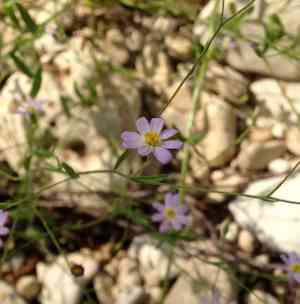
Whiteray leastdaisy (Chaetopappa bellidifolia)
Also known as: Least Daisy, Hairy Leastdaisy
The whiteray leastdaisy is a small perennial herb known for its narrow leaf rosette and solitary, daisy-like white flowers. It thrives in sunny, rocky outcrops and arid landscapes, where its blooms stand out vividly. Adapted for water conservation, the whiteray leastdaisy showcases its resilience and ability to flourish in harsh, rugged environments.
In This Article
Attributes of Whiteray leastdaisy
Lifespan
Perennial
Plant Type
Herb
Plant Height
0 mm to 30 cm
Spread
10-30 cm
Leaf Color
Green
Flower Size
1-2 cm
Flower Color
White, Pink
Images of Whiteray leastdaisy
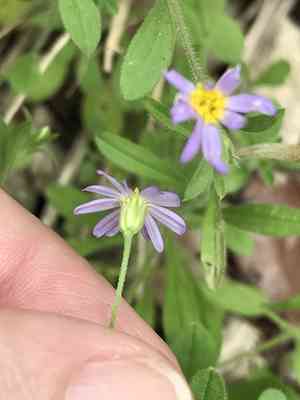
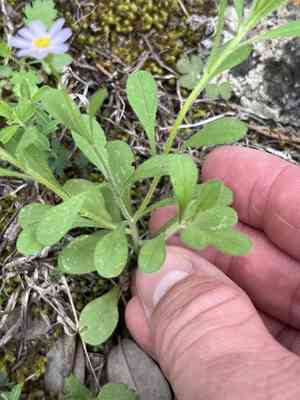
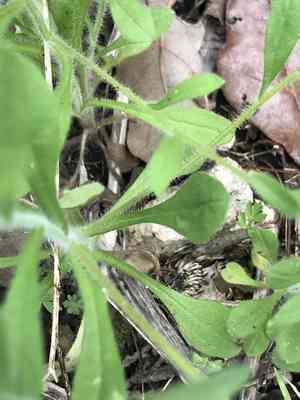
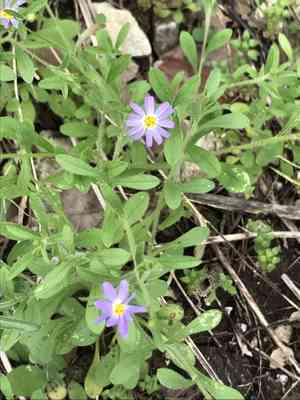
Quickly Identify Whiteray leastdaisy
1
Chaetopappa bellidifolia can be identified by its small, white or pink, daisy-like flowers, and its hairy, lance-shaped leaves. The plant typically grows in rocky slopes and open woodlands.
Scientific Classification of Whiteray leastdaisy
Phylum
Vascular plants
Class
Dicotyledons
Order
Asterales
Family
Daisy
Genus
Leastdaisies
Species
Whiteray leastdaisy
Planting and Growing of Whiteray leastdaisy
Care Difficulty
Moderate
Watering Schedule
Every 3 days
Sunlight Requirements
Full sun
Sunshine Duration
8-12 hours
Ideal Temperature
60-75℉
Soil Type
Potting Mix, Peat Mix
Soil pH
6.5-7.5
Fertilizer Type
Balanced
Pruning Season
Spring, Summer
Pruning Area
Branches, Leaves
Pruning Frequency
2 times a year
Repotting Season
Spring
Pot Type
Plastic, Ceramic
 How to Water Whiteray leastdaisy?
Chaetopappa bellidifolia prefers a modest amount of water, approximately 150 milliliters per session. It is essential to ensure the soil remains slightly moist but not waterlogged. The rule of thumb is to water until the top inch of the soil is damp. The plant thrives in well-draining soil, so adjust your watering accordingly to prevent standing water.
What are the symptoms of an underwatered Whiteray leastdaisy?
›
What should I do if my Whiteray leastdaisy is not getting enough water?
›
What are the symptoms of an overwatered Whiteray leastdaisy?
›
How to save an overwatered Whiteray leastdaisy?
›
 What Are the Sunlight Requirements for Whiteray leastdaisy?
Chaetopappa bellidifolia requires full sun to partial sun exposure for optimal growth. Under these lighting conditions, the plant will bloom profusely and maintain strong, healthy foliage.
Optimal Light Exposure
›
Solutions for Ideal Lighting
›
Benefits of Ideal Lighting
›
 What Is the Ideal Temperature Range for Whiteray leastdaisy?
The ideal temperature range for growing Chaetopappa bellidifolia is between 60°F and 75°F. These temperatures closely mimic the plant's natural habitat conditions, providing an optimal environment for growth and development. Maintaining this temperature range ensures that the plant can photosynthesize efficiently, grow steadily, and remain resistant to common pests and diseases.
 What Soil is Best for Whiteray leastdaisy?
Chaetopappa bellidifolia thrives in well-drained soil because it prevents water from pooling around the roots, reducing the risk of root rot and promoting strong, healthy root development. This plant prefers soil with moderate nutrient content. While not overly demanding, access to essential nutrients supports steady growth and vibrant foliage. Chaetopappa bellidifolia does well in slightly acidic to neutral pH levels, between 6.5 and 7.5, providing optimal conditions for nutrient availability and absorption.
 How to Fertilize Whiteray leastdaisy?
Chaetopappa bellidifolia requires a moderate amount of fertilizer to thrive. When using liquid fertilizer, dilute it to half the recommended strength as too concentrated solutions can harm the plant. For slow-release fertilizers, follow the instructions but apply conservatively as this plant doesn't thrive on excessive nutrients.
 How to Prune Whiteray leastdaisy?
Begin by removing any dead, diseased, or damaged stems. This clears energy for new growth and helps prevent the spread of disease within the plant. Prune back overgrown stems to maintain a tidy, rounded shape. This not only keeps your Chaetopappa bellidifolia looking attractive but also helps light penetration, crucial for overall plant health. Make cuts just above a leaf node to stimulate new growth. This precise cutting encourages bushier growth and a fuller appearance for your plant.
More About Pruning Techniques→
 How to Propagate Whiteray leastdaisy plant?
1
Collect seeds from mature flowers. Allow the heads to dry naturally, which ensures mature seeds. Store seeds in a dry, cool place until ready to plant in early spring.
2
Select healthy stems and cut 4-6 inch sections just below a node. Remove the lower leaves and dip the cut end in rooting hormone before planting in moist soil.
3
Gently remove the plant from the soil, separating root clusters by hand or with a clean knife. Replant the divisions with adequate spacing to promote growth.
 How to Repot Whiteray leastdaisy plant?
1
Chaetopappa bellidifolia should be repotted when its roots begin to grow out from the drainage holes or the plant appears pot-bound. It's crucial to repot during its active growing seasons, Spring or Autumn, as this allows the plant to adjust well and continue growing without much stress.
2
Select a pot that is 1-2 inches larger in diameter than the current one. It's vital to ensure the new pot has good drainage to prevent root rot. Terracotta pots are often preferred as they allow better air circulation to the roots, enhancing the plant's overall health.
3
Opt for a well-draining, gritty soil mix suitable for cacti or succulents. This type of soil prevents waterlogging and allows air to reach the roots efficiently, which is essential for the healthy growth of Chaetopappa bellidifolia.
Learn More About Whiteray leastdaisy Diseases
Anthracnose
Bacterial Leaf Spot
Bacterial Wilt
Black Spot
Chemical Injury
Crown Gall
Cyst Nematode
Damping-off
Downy Mildew
Drought Stress
Fusarium Wilt
Gray Mold
Leaf Curl
Leaf Spot
Mosaic
Nutrient Deficiency
Nutrient Toxicity
Powdery Mildew
Root Rot
Root-knot Nematode
Rusts
Sooty Mold
Spider Mites
Temperature Stress
Thrips Damage
White Mold



