How to Transplant Broadleaf chervil?
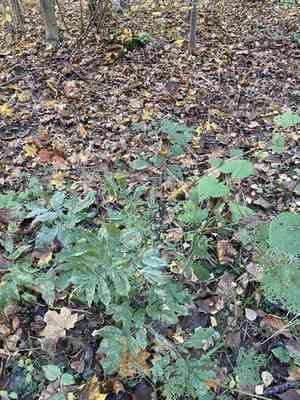
Broadleaf chervil thrives when relocated in the initial to middle part of spring, during moderate temperatures. Select a spot with partial shade and soil that drains effectively to support its best development. Maintain steady hydration for proper rooting. Enjoy your gardening!
What Preparations are Needed Before Transplanting Broadleaf Chervil?
What is the Ideal Time for Transplanting Broadleaf Chervil?
Moving broadleaf chervil in early to mid-spring is best as the soil warms, promoting root development before summer heat. This timing guarantees strong growth, boosting the plant's ability to flourish and produce flavorful leaves. Early spring relocation prepares broadleaf chervil to benefit from gradual temperature increases, minimizing transplant shock and encouraging vigorous development.
How Much Space Should You Leave Between Broadleaf Chervil Plants?
When relocating broadleaf chervil, ensure each plant is positioned 12-18 inches (30-45 cm) apart. This provides ample room for growth and prevents competition for resources.
What is the Best Soil Mix for Broadleaf Chervil Transplanting?
For broadleaf chervil, prepare well-draining soil using a blend of loam and sand. Enrich the soil with a foundational fertilizer such as compost or aged manure to supply essential nutrients.
Where Should You Relocate Your Broadleaf Chervil?
Place broadleaf chervil in an area receiving full to partial sunlight. Ideally, select a spot that gets 4-6 hours of sun daily to ensure robust development.
What Equipments Should You Prepare Before Transplantation Broadleaf Chervil?
Gardening Gloves
To safeguard your hands while handling soil and plants.
Shovel or Spade
For excavating the plant and later digging the new planting hole.
Gardening Fork
To gently loosen the soil surrounding the plant's root system.
Garden Trowel
For more accurate digging and relocation tasks.
Watering Can or Hose
To hydrate the plant before and after its move.
Plant Labels
To identify the new location of your broadleaf chervil or to label the plant if moved to a shared garden.
How Do You Remove Broadleaf Chervil from the Soil?
How Do You Remove Broadleaf Chervil from the Soil?
From Ground: First, moisten the broadleaf chervil plant to dampen the soil. Then, dig a wide trench around the plant using a shovel or spade, ensuring the plant's root ball stays intact. Carefully work the spade beneath the root ball to lift the plant from its original spot.From Pot: Water the broadleaf chervil plant to soften the soil. Tilt the pot slightly and gently tap the sides to loosen the soil. Support the plant's base with one hand and invert the pot with the other, carefully sliding the plant out.From Seedling Tray: Water the seedlings to moisten the soil. Use a garden trowel or your hand to gently ease the seedling from the tray, making sure to keep as much soil around the roots as possible.
Step-by-Step Guide for Transplanting Broadleaf Chervil
Prepare the New Hole
Dig a hole in the new location that is slightly larger than the root ball of your broadleaf chervil.
Add Compost
Incorporate some compost into the hole to enrich the soil and help your broadleaf chervil adjust to its new environment.
Transplant the broadleaf chervil
Gently place the broadleaf chervil into the hole, ensuring it sits at the same depth as it was previously growing. Backfill the hole with soil, pressing down gently to eliminate air pockets.
Watering
Water the broadleaf chervil thoroughly after transplanting to settle the soil and help the roots recover from the move.
How Do You Care For Broadleaf Chervil After Transplanting?
Watering
Keep the soil around the broadleaf chervil consistently moist, but not waterlogged, for the initial weeks post-transplant to aid in strong root establishment.
Mulching
Apply a layer of mulch around the base of the broadleaf chervil to help retain moisture and suppress weed growth.
Monitoring
Observe the broadleaf chervil for indications of stress, such as wilting or yellowing leaves, and address issues promptly.
Support
If the broadleaf chervil is tall or leggy, consider using stakes or supports to help keep it upright until itâs fully established.
Troubleshooting Common Issues with Broadleaf Chervil Transplantation.
When is the best time to transplant broadleaf chervil?
The ideal time is early to mid-spring, allowing the plant to establish before summer.
What is the proper spacing for transplanting broadleaf chervil?
Broadleaf chervil should be spaced 12-18 inches (30-45 cm) apart for optimal growth.
How do I prepare soil for transplanting broadleaf chervil?
Ensure the soil is well-drained and rich in organic matter by adding compost.
How deep should I plant broadleaf chervil seedlings?
Plant broadleaf chervil seedlings at the same depth they were in their original containers.
Should I water broadleaf chervil immediately after transplanting?
Yes, water thoroughly to help settle the soil and reduce transplant shock.
How can I reduce transplant shock for broadleaf chervil?
Transplant broadleaf chervil on a cloudy day, keep soil moist, and use a diluted seaweed solution.
What type of mulch is best for broadleaf chervil?
Use organic mulch like straw or compost to retain moisture and suppress weeds.
How much sunlight does broadleaf chervil need after transplanting?
Broadleaf chervil prefers a location with partial to full sun for healthy growth.
Can I transplant broadleaf chervil during hot weather?
Avoid transplanting during hot weather to prevent stress and ensure better establishment.
How do I care for broadleaf chervil after transplanting?
Regularly water, keep soil moist but not waterlogged, and monitor for pests or diseases.



