How to Propagate Broadleaf chervil?
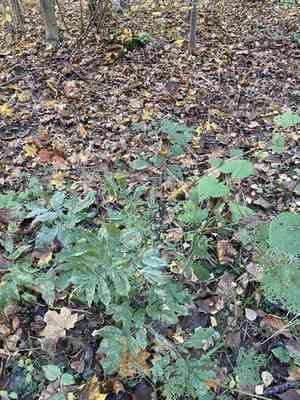
Broadleaf chervil, an herbaceous plant, is recognized for its fragrant qualities. To propagate, employ newly harvested seeds to guarantee superior germination success. Plant them directly into damp, adequately draining earth, and thin out the young plants after they sprout to avert excessive density. Water consistently to preserve soil hydration, yet steer clear of saturation. Employing a lightweight, permeable seed blend can assist in root formation. Provide sufficient sunlight for the seedlings to flourish. Regular inspection for insects can contribute to robust growth.
When Is the Optimal Time to Propagate Broadleaf Chervil?
Propagation Type
Sowing
Propagation Season
Spring
What Equipment Is Used for Broadleaf Chervil Propagation?
Seed Trays
Beneficial for initiating broadleaf chervil seeds in a regulated setting. Seed trays offer ample room for seeds to sprout and develop before being transplanted, ensuring a healthy beginning.
Seed Compost
A specialized growing medium that is light, airy, and holds moisture. Seed compost supplies vital nutrients and the correct texture for broadleaf chervil seeds to germinate effectively.
Fine Seed Sieve
Utilized to uniformly spread a thin layer of compost or vermiculite over broadleaf chervil seeds after planting, which aids in maintaining moisture and shielding seeds from light, crucial for germination.
Misting Bottle
Helps maintain appropriate moisture levels by gently spraying water over the soil without dislodging seeds, which is vital for delicate broadleaf chervil seeds during the initial germination phases.
Labeling Stakes
Essential for tracking broadleaf chervil varieties and planting dates. Clear labeling assists in monitoring growth progress and ensures proper care routines are followed.
Humidity Dome
A transparent cover placed over seed trays to maintain high humidity levels, which is particularly important for broadleaf chervil seeds as they require consistent moisture for successful germination.
Grow Lights
Provide sufficient illumination, especially in areas with inadequate natural light. Grow lights ensure broadleaf chervil receives the necessary light spectrum for strong and healthy seedling development.
Soil Thermometer
Monitors the temperature of the growing medium. Correct soil temperature is crucial for broadleaf chervil seed germination, typically around 15-21°C degrees.
How to Propagate Broadleaf Chervil?
Propagation Type
Easy
How to Care for Your Newly Propagated Broadleaf Chervil?
How to Care for Your Newly Propagated Broadleaf Chervil?
After transplanting, irrigate broadleaf chervil plants regularly to keep the soil damp but not saturated. Apply a balanced, organic fertilizer monthly to support growth. Mulch around the plant bases to retain moisture and suppress weeds. Shield young plants from extreme temperatures and ensure they receive partial to full sunlight. Prune dead or damaged foliage to maintain plant health. Monitor for pests or diseases and address any issues promptly with appropriate organic treatments.
Common Errors to Avoid When Propagating Broadleaf Chervil
Overwatering
Excessive moisture can lead to root rot, which severely impacts the plant's health and may hinder propagation success.
Improper Soil Choice
Using dense, clay-rich soil can restrict root growth and reduce aeration, leading to poor plant development.
Insufficient Light
Lack of adequate light can result in leggy plants with weak stems, making successful propagation difficult.
Incorrect Spacing
Planting too closely can cause overcrowding, leading to increased competition for nutrients and light, and a higher risk of disease.
Tips For Propagating Broadleaf Chervil
Use Well-Draining Soil
Select a light, well-draining soil mix to ensure roots receive adequate oxygen and reduce the risk of root rot.
Moderate Watering
Water the plant consistently but sparingly, ensuring the soil stays moist but not waterlogged to prevent root rot.
Provide Adequate Light
Position the plant in a location that receives ample indirect sunlight to promote healthy and robust growth.
Ensure Proper Spacing
Space plants appropriately to allow sufficient air circulation, minimize competition, and reduce the risk of diseases.



