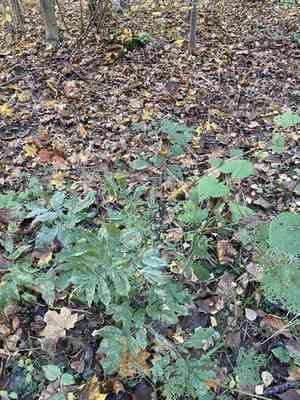
Broadleaf chervil (Chaerophyllum aromaticum)
Also known as: Fern-leaved chervil
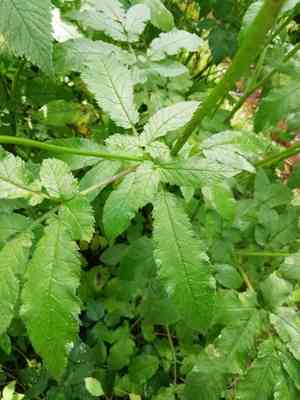
The spice-calf's cabbage is a perennial herb known for its spicy aroma. It can grow robustly, reaching heights of up to 2 meters, and features an extensive, creeping root system. The plant has upright, branched stems covered in bristly white hairs. Its leaves are variable in shape, equipped with a petiole and a leaf sheath.
In This Article
Attributes of Broadleaf chervil
Lifespan
Biennial
Plant Height
30-90 cm
Spread
N/A
Leaf Color
Green
Flower Size
2-4 mm per flower
Flower Color
White, sometimes pinkish
Images of Broadleaf chervil
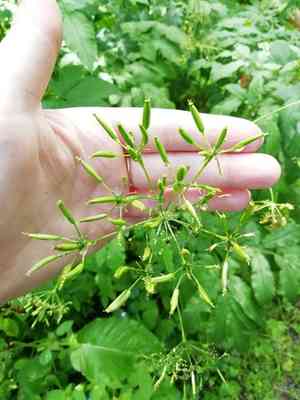
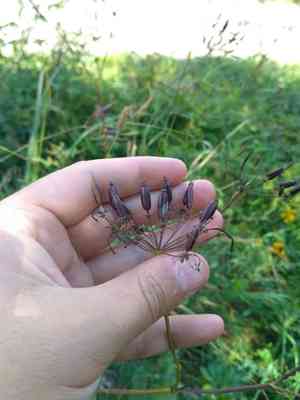
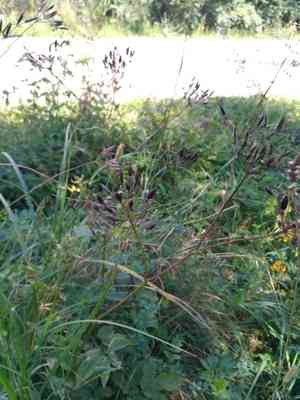
Quickly Identify Broadleaf chervil
1
Chaerophyllum aromaticum can be identified by its finely divided leaves, which emit a pleasant aroma when crushed. It also bears small, white or pinkish flowers organized in umbrella-like clusters.
Scientific Classification of Broadleaf chervil
Phylum
Vascular plants
Class
Dicotyledons
Order
Apiales
Family
Umbellifers
Genus
Chervil
Species
Broadleaf chervil
Planting and Growing of Broadleaf chervil
Care Difficulty
Moderate
Watering Schedule
Every 2 days
Sunlight Requirements
Partial sun
Sunshine Duration
4-8 hours
Ideal Temperature
60-70℉
Soil Type
Potting Mix, Peat Mix
Soil pH
6.5-7.5
Fertilizer Type
Balanced
Pruning Season
Spring, Summer
Pruning Area
Branches, Leaves
Pruning Frequency
2 times a year
Repotting Season
Spring
Pot Type
Terracotta, Plastic
 How to Water Broadleaf chervil?
Chaerophyllum aromaticum requires moderate watering. Ensure the soil is evenly moist but not waterlogged. The recommended amount is around 500 ml each time, making sure the water reaches the root level without pooling on the surface.
What are the symptoms of an underwatered Broadleaf chervil?
›
What should I do if my Broadleaf chervil is not getting enough water?
›
What are the symptoms of an overwatered Broadleaf chervil?
›
How to save an overwatered Broadleaf chervil?
›
 What Are the Sunlight Requirements for Broadleaf chervil?
Partial sun to full sun conditions offer a balance that supports optimal growth and health for Chaerophyllum aromaticum, fostering energy production through photosynthesis and enhancing its aromatic qualities.
What is the ideal light condition for Chaerophyllum aromaticum?
›
How can I achieve this ideal lighting condition?
›
What benefits arise from achieving the ideal lighting condition?
›
 What Is the Ideal Temperature Range for Broadleaf chervil?
The ideal temperature range for growing Chaerophyllum aromaticum is between 60°F and 70°F. At this range, the plant enjoys optimal metabolic function, ensuring proper growth and flowering. These conditions mimic the natural environment the plant thrives in, offering a balance of warmth that aids in nutrient uptake and overall plant vigor.
 What Soil is Best for Broadleaf chervil?
Chaerophyllum aromaticum thrives in well-drained soil, which prevents waterlogging and root rot. Good drainage ensures that roots receive adequate oxygen, enhancing plant health and vigor. Rich in organic matter, this soil type ensures robust growth and more vigorous foliage. Nutrient-dense soil supports the plant's requirements for photosynthesis and overall development. Moisture retention without saturation is vital. Consistently moist soils prevent wilting and nutrient deficiencies, ensuring continuous growth cycles and healthier plants.
 How to Fertilize Broadleaf chervil?
For Chaerophyllum aromaticum, the recommended amount of liquid fertilizer is typically based on the product's instructions. However, as a general guideline, apply a balanced liquid fertilizer diluted to half the recommended strength. This ensures that the plant receives adequate nutrition without the risk of root burn.
 How to Prune Broadleaf chervil?
First, identify dead or damaged stems and leaves. Then, focus on cutting back any stems that are crossing or rubbing against each other, as these areas are prone to rot or injury. Perform cuts at a 45-degree angle just above a node or leaf joint to encourage new growth. This angle helps water drain off easily, reducing the risk of disease.
More About Pruning Techniques→
 How to Propagate Broadleaf chervil plant?
1
Sow the seeds thinly onto moist compost in a seed tray, covering them lightly with soil. Maintain a warm temperature, usually around 15-20°C, for optimal germination.
2
Select healthy stems and cut a 10-15cm piece just below a leaf node. Remove the lower leaves and place the cutting in moist, well-drained soil, ensuring at least one node is underground.
3
Dig up mature plants and gently separate the roots into smaller sections, each with adequate roots and shoots. Re-plant these divisions at the same depth they were growing.
 How to Repot Broadleaf chervil plant?
1
Chaerophyllum aromaticum should be repotted when you notice its growth slowing down or roots beginning to spiral around the pot base. These signals suggest that the plant has outgrown its current home and needs more space for healthy root development.
2
Select a pot that is one size larger with good drainage holes. A slightly bigger pot will provide the roots with more space to grow while still allowing the soil to dry appropriately, preventing root rot and ensuring healthy growth.
3
Opt for a well-draining potting mix that mimics its natural habitat. This soil type ensures excess water can escape easily, reducing the risk of root rot and other water-related complications, allowing the plant to thrive.
Learn More About Broadleaf chervil Diseases
Anthracnose
Bacterial Leaf Spot
Bacterial Soft Rot
Bacterial Wilt
Damping-off
Downy Mildew
Drought Stress
Fusarium Wilt
Gray Mold
Leaf Spot
Mosaic
Nutrient Deficiency
Nutrient Toxicity
Powdery Mildew
Root Rot
Root-knot Nematode
Rusts
Sooty Mold
Spider Mites
Temperature Stress
Thrips Damage
White Mold
Chemical Injury



