How to Transplant Dwarf-snapdragon?
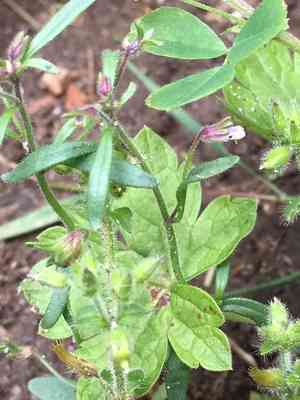
The most suitable period for relocating dwarf-snapdragon is as winter's chill recedes and spring's warmth emerges, generally from the initial thaw until early summer. Select a location that receives full sun to partial shade and possesses good drainage to facilitate dwarf-snapdragon's flourishing. Gradually introduce dwarf-snapdragon to external environments to encourage robust development.
What Preparations are Needed Before Transplanting Dwarf-snapdragon?
What is the Ideal Time for Transplanting Dwarf-snapdragon?
The optimal period for relocating dwarf-snapdragon spans from early spring's onset to the brink of summer. This timeframe allows dwarf-snapdragon to establish its root system in moderate temperatures and benefit from increasing daylight, promoting vigorous development. By moving dwarf-snapdragon during this window, you align with its natural growth cycle, ensuring smooth adaptation and a vibrant display.
How Much Space Should You Leave Between Dwarf-snapdragon Plants?
Greetings, aspiring gardener! For your dwarf-snapdragon, you'll want to provide them with adequate room. Aim to position them approximately 4-6 inches (10-15 cm) apart. This spacing will guarantee they have sufficient area to thrive and add a burst of beauty to your garden.
What is the Best Soil Mix for Dwarf-snapdragon Transplanting?
To give your dwarf-snapdragon an excellent start, incorporate some organic compost into the soil prior to planting. They prefer soil that drains well, ideally a loamy mixture. A gentle application of a balanced, slow-release fertilizer will help prepare the ground for vigorous growth.
Where Should You Relocate Your Dwarf-snapdragon?
Your dwarf-snapdragon will absorb sunlight, so finding a sunny location in your garden is crucial. They flourish in full to partial sun, perfect for that bright corner you've been intending to fill. Observe them bloom beautifully with the appropriate amount of light!
What Equipments Should You Prepare Before Transplantation Dwarf-snapdragon?
Gardening Gloves
To safeguard your hands while handling soil and plants.
Hand Trowel
To excavate small holes for relocating seedlings or young plants.
Watering Can
To hydrate the plant both prior to and following transplantation.
Garden Spade
To carefully lift and separate the plant from its original spot when removing it from the ground.
Potting Soil
To enrich the transplant hole and support healthy root development for the dwarf-snapdragon.
Garden Hose with Soft Spray Attachment
For irrigating the plant without causing damage.
Stakes or Plant Supports
To stabilize the dwarf-snapdragon if needed after transplanting.
Pruning Shears
To trim any damaged roots or foliage before transplantation.
How Do You Remove Dwarf-snapdragon from the Soil?
How Do You Remove Dwarf-snapdragon from the Soil?
From Ground: First, water the dwarf-snapdragon plant to moisten the soil. Then, dig a wide circle around the plant with a garden spade, taking care not to harm the root system. Slide the spade beneath the root ball and gently lift the dwarf-snapdragon from the ground.From Pot: Water the dwarf-snapdragon thoroughly to dampen the root soil. Turn the pot on its side, hold the plant's stem, and tap the bottom of the pot to loosen it. Carefully extract the dwarf-snapdragon from the pot while supporting the root ball with your hand.From Seedling Tray: Pre-water the seedling tray to facilitate removal. Use a hand trowel or a spoon to gently lift each dwarf-snapdragon from its cell, being cautious not to damage the delicate roots and stem.
Step-by-Step Guide for Transplanting Dwarf-snapdragon
Preparation
Ensure all necessary tools and equipment are readily available. Water the dwarf-snapdragon before beginning to lessen the shock of transplantation.
Removal
Follow the removal procedure appropriate for your dwarf-snapdragon's initial location. Exercise caution to keep the root ball intact.
Transplant Hole
Using a hand trowel, excavate a hole in the ground that is twice as wide and equally as deep as the dwarf-snapdragon's root ball.
Placing the Plant
Gently position the dwarf-snapdragon in the center of the hole. The top of the root ball should be level with the surrounding soil surface.
Refilling the Hole
Carefully backfill the hole with potting soil, ensuring no air pockets remain around the roots. Pat the soil gently but firmly.
Watering
Immediately after transplanting, thoroughly water the dwarf-snapdragon to settle the soil and hydrate the plant.
Staking
If the dwarf-snapdragon is tall or appears unstable, use stakes or plant supports to hold it in place until established.
Prune
If necessary, trim any broken or dead roots or leaves with pruning shears to encourage new growth.
How Do You Care For Dwarf-snapdragon After Transplanting?
Watering
Maintain consistent moisture in the soil surrounding the dwarf-snapdragon, avoiding excessive watering to prevent root rot.
Monitoring
Regularly check on the dwarf-snapdragon to observe its recovery from transplant shock and to ensure it is not leaning or uprooted.
Adjusting Support
Reposition stakes or plant supports as the dwarf-snapdragon grows to prevent constriction and to promote upright growth.
Weeding
Keep the area around the dwarf-snapdragon clear of weeds, which can compete with the plant for nutrients and water.
Troubleshooting Common Issues with Dwarf-snapdragon Transplantation.
Why is my dwarf-snapdragon wilting after transplanting?
Wilting can stem from root shock. Ensure the soil is moist and shield the plant from direct sun for a few days.
How deep should I plant my dwarf-snapdragon during transplant?
Plant dwarf-snapdragon at the same depth it was in its previous container, no deeper than its root ball.
Can I transplant dwarf-snapdragon during summer?
It's best to transplant dwarf-snapdragon from early to late spring when temperatures are mild.
What signs of overwatering should I look for in dwarf-snapdragon?
Yellowing leaves or a soft stem base are indicators. Provide well-draining soil and moderate water.
When should I fertilize my dwarf-snapdragon after transplanting?
Wait 4-6 weeks post-transplant before fertilizing to avoid damaging tender roots.
How can I avoid root rot when transplanting dwarf-snapdragon?
Ensure the planting hole drains effectively and do not water excessively. Keep the soil moist, not saturated.
What's the ideal spacing for dwarf-snapdragon when transplanting?
Space dwarf-snapdragon about 4-6 inches (10-15 cm) apart to give each plant sufficient room to grow.
How do I choose the right location for transplanting dwarf-snapdragon?
Select a spot with full to partial sun exposure and well-drained soil for optimal growth.
Can I move dwarf-snapdragon to a different spot if it's struggling?
It's best to choose a location carefully, but you can move dwarf-snapdragon if absolutely necessary.
What should I do if dwarf-snapdragon isn't blooming after transplant?
Be patient. Dwarf-snapdragon may require time to establish, and blooming could be delayed. Ensure proper care in the interim.



