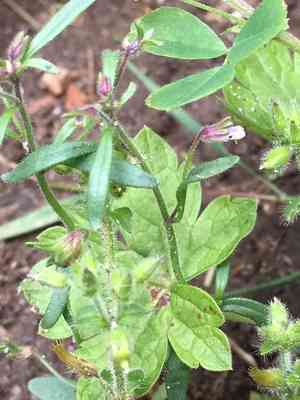
Dwarf-snapdragon (Chaenorhinum minus)
Also known as: Toadflax
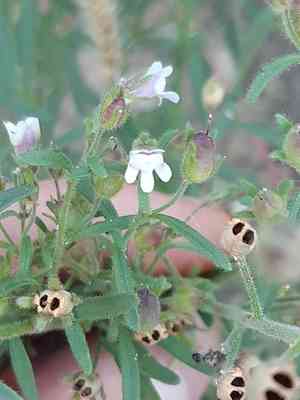
The Dwarf-snapdragon (Chaenorhinum minus) is a small annual herb originating from continental Europe and has been introduced to North America. It typically thrives in chalky or disturbed soils and is often found as a garden weed. In North America, it is commonly referred to as Dwarf-snapdragon, whereas in Europe, it is usually known as small toadflax.
In This Article
Attributes of Dwarf-snapdragon
Lifespan
Annual
Plant Type
Herb
Plant Height
25 cm
Spread
35 cm
Leaf Color
Green
Flower Size
0.5-1 cm
Flower Color
White Purple
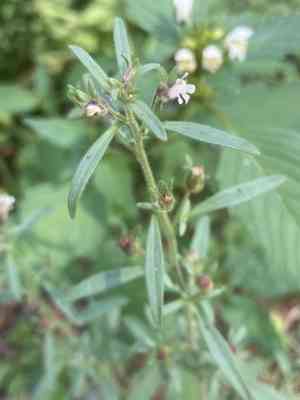
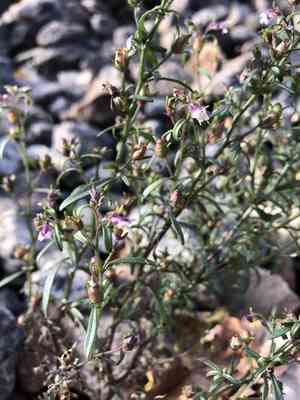
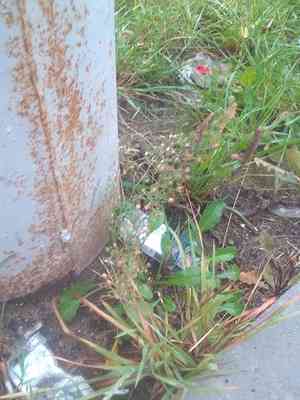
Images of Dwarf-snapdragon
Quickly Identify Dwarf-snapdragon
1
Small Toadflax can be identified by its linear to lanceolate leaves and small, purplish-blue, two-lipped flowers. The plant also features a distinct spur at the base of the flower.
Scientific Classification of Dwarf-snapdragon
Phylum
Vascular plants
Class
Dicotyledons
Order
Lamiales
Family
Plantain
Genus
Dwarf snapdragons
Species
Dwarf-snapdragon
Planting and Growing of Dwarf-snapdragon
Care Difficulty
Easy
Watering Schedule
Every 2 days
Sunlight Requirements
Full sun
Sunshine Duration
4-6 hours
Ideal Temperature
60-75℉
Soil Type
Potting Mix, Peat Mix
Soil pH
6.5-7.5
Fertilizer Type
Balanced
Pruning Season
Spring, Summer
Pruning Area
Leaves, Branches
Pruning Frequency
2 times a year
Repotting Season
Spring
Pot Type
Plastic, Ceramic
 How to Water Dwarf-snapdragon?
When watering Chaenorhinum minus, ensure you water it thoroughly until water starts seeping through the drainage holes. The ground should feel moist but not soggy, roughly 100 ml for small pots, simulating a gentle rain that would hydrate its natural habitat.
What are the symptoms of an underwatered Dwarf-snapdragon?
›
What should I do if my Dwarf-snapdragon is not getting enough water?
›
What are the symptoms of an overwatered Dwarf-snapdragon?
›
How to save an overwatered Dwarf-snapdragon?
›
 What Are the Sunlight Requirements for Dwarf-snapdragon?
Chaenorhinum minus thrives best with a mix of full sun and partial sun conditions. This light arrangement promotes healthy growth and ensures the plant doesn't suffer from sunburn or insufficient light.
What is the best lighting setup for Chaenorhinum minus?
›
What solutions help achieve ideal light conditions?
›
What are the benefits of perfect light conditions?
›
 What Is the Ideal Temperature Range for Dwarf-snapdragon?
For optimal growth, Chaenorhinum minus requires a stable temperature environment. The ideal temperature range for this plant is between 60°F and 75°F. Such conditions facilitate ideal metabolic functions and promote healthy development. Maintaining this temperature range ensures robust foliage and thriving blooms, making it essential for gardeners who wish to cultivate a vibrant and healthy plant.
 What Soil is Best for Dwarf-snapdragon?
Chaenorhinum minus thrives in well-drained soils, which prevent root rot by allowing excess water to escape easily. This condition helps maintain healthy root systems and ensures nutrient uptake is efficient. The plant benefits from soils with moderate organic matter. This provides essential nutrients and improves soil structure, contributing to better aeration and water retention, supporting healthy growth. Preferring a neutral to slightly alkaline pH of 6.5 to 7.5, Chaenorhinum minus absorbs minerals effectively, which is crucial for optimal metabolic processes and preventing nutrient deficiencies.
 How to Fertilize Dwarf-snapdragon?
For Chaenorhinum minus, it's important to apply an appropriate amount of fertilizer to ensure it thrives. Use a balanced liquid fertilizer diluted to half-strength. Applying approximately 2 tablespoons per plant each time should suffice to encourage healthy growth.
 How to Prune Dwarf-snapdragon?
Carefully pinch or cut away dead or fading flowers to encourage new blossoms. This method, known as deadheading, can extend the blooming period throughout the growing season. Trim back stems that have become straggly or excessively long by about one-third of their length. This helps in maintaining compact growth and prevents legginess. While pruning, inspect the plant for any signs of pests or disease. Remove any affected areas promptly to prevent the spread of infections or infestations.
More About Pruning Techniques→
 How to Propagate Dwarf-snapdragon plant?
1
Fill the seed trays with a well-draining potting mix, ensuring it is moist but not waterlogged. Pat it down gently to create a firm surface for the seeds. Ensure the trays have drainage holes to prevent water accumulation.
2
Sprinkle the Chaenorhinum minus seeds evenly over the surface. Press them lightly into the soil, ensuring they are not buried deep. It is crucial to allow light exposure, as some seeds require it for germination.
3
Water the seed trays gently using a spray bottle to maintain moisture. It's crucial not to overwater as this can lead to seed rot. Cover the trays with plastic wrap or a lid to retain humidity, but ensure some air circulation.
 How to Repot Dwarf-snapdragon plant?
1
Chaenorhinum minus usually needs repotting when you notice roots coming out of the drainage holes, or when the plant shows slow growth or seems to be consuming water too quickly. These signs indicate that the plant has outgrown its pot and requires more space or soil refreshment.
2
Select a pot that is only slightly larger than the current one, ideally 1-2 inches wider in diameter. This size gives the plant enough room to grow without overwhelming it with too much new soil, which can retain water and cause root rot. Ensure the pot has good drainage holes to prevent water logging.
3
Opt for well-draining sandy soil when repotting Chaenorhinum minus. This type of soil prevents excess moisture retention, mimicking the plant's natural environment and reducing the risk of root rot. The sandy texture also allows roots to expand more freely, supporting healthy growth.
Learn More About Dwarf-snapdragon Diseases
Anthracnose
Bacterial Leaf Spot
Bacterial Soft Rot
Bacterial Wilt
Black Spot
Chemical Injury
Crown Gall
Cyst Nematode
Damping-off
Downy Mildew
Drought Stress
Fusarium Wilt
Gray Mold
Leaf Curl
Leaf Spot
Mosaic
Nutrient Deficiency
Nutrient Toxicity
Powdery Mildew
Root Rot
Root-knot Nematode
Rusts
Sooty Mold
Spider Mites
Temperature Stress
Thrips Damage
White Mold



