How to Prune Dwarf-snapdragon?
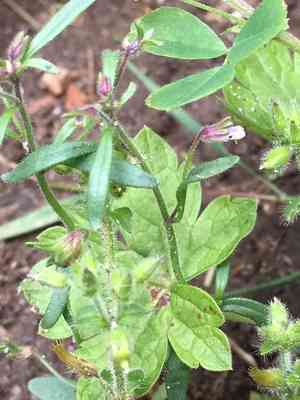
A compact perennial featuring blossoms resembling snapdragons, dwarf-snapdragon necessitates consistent removal of spent flowers to encourage uninterrupted flowering. Following the initial spring bloom, perform a light trim to preserve its form and stimulate a subsequent flowering period. During summer, sever withered stems down to the foundational growth. Should the plant become elongated, a more substantial reduction can revitalize dwarf-snapdragon. Pruning in late autumn readies dwarf-snapdragon for the colder months and fosters vigorous spring development. Always employ sanitized, keen implements to avert the spread of pathogens.
What Are the Benefits of Pruning Dwarf-snapdragon?
What Are the Benefits of Pruning Dwarf-snapdragon?
Trimming dwarf-snapdragon encourages strong development and maintains its compact shape. By carefully removing excess growth, gardeners can cultivate a more robust and visually appealing structure, ensuring dwarf-snapdragon thrives.
What Is the Best Time for Pruning Dwarf-snapdragon?
What Is the Best Time for Pruning Dwarf-snapdragon?
The optimal time for pruning dwarf-snapdragon is during Spring and early Summer, coinciding with its active growth period. This timing promotes quick recovery, stimulates vigorous growth, and helps preserve an attractive form. Pruning after flowering encourages denser foliage and may induce a second bloom in certain varieties. Avoid Fall pruning as it can stimulate new growth vulnerable to early frosts, potentially harming the plant.
What Tools Do I Need to Prune Dwarf-snapdragon?
Bypass pruners
Perfect for making clean cuts on the slender stems of dwarf-snapdragon, bypass pruners inflict minimal harm to plant tissues, aiding faster recovery.
Floral snips
Given dwarf-snapdragon's small size and delicate blossoms, employing floral snips offers precise control when trimming tiny, intricate areas.
Gardening gloves
Protecting hands while pruning dwarf-snapdragon prevents potential skin irritation from its sap and ensures safe handling of tools.
How to Prune Dwarf-snapdragon
Deadheading
Remove faded flowers from dwarf-snapdragon to encourage new blooms and prevent seed formation, which can reduce subsequent flowering.
Cleaning
Carefully remove all withered leaves from dwarf-snapdragon to enhance air circulation and prevent potential fungal issues.
Shape maintenance
Trim back any overgrown or leggy stems to maintain dwarf-snapdragon's desired shape and encourage a bushier growth habit.
Thinning
Reduce dense growth by selectively removing some stems at the base to ensure good light penetration and airflow through dwarf-snapdragon's foliage.
Health check
After pruning, inspect dwarf-snapdragon for signs of pests or disease and address any problems promptly to keep the plant healthy.
Common Pruning Mistakes with Dwarf-snapdragon
Over pruning
Removing an excessive amount of growth at once, which can shock dwarf-snapdragon and hinder its ability to recover and thrive.
Pruning too early
Cutting back dwarf-snapdragon before it has completed its flowering cycle, potentially reducing the quantity of blooms it produces.
Ignoring dead or damaged stems
Failing to remove dead or damaged stems, which can lead to disease and negatively impact the overall health of dwarf-snapdragon.
Cutting at wrong angle
Pruning with an incorrect angle or with dull tools, resulting in ragged cuts that can make dwarf-snapdragon more susceptible to disease.
Not pruning at all
Neglecting to prune dwarf-snapdragon entirely, which can result in a leggy, overgrown plant with diminished vigor and fewer flowers.
Common Pruning Tips for Dwarf-snapdragon
Sanitization
Always use clean, sharp pruning shears to ensure precise cuts and help prevent the spread of disease in dwarf-snapdragon.
Cut to healthy growth
Make cuts just above a set of healthy leaves or buds to encourage dwarf-snapdragon to produce new, robust growth.
Thin out overcrowded areas
Thin out overcrowded areas to improve air circulation, which helps prevent fungal diseases and encourages dwarf-snapdragon.
Deadheading spent flowers
Regularly remove spent flowers to stimulate dwarf-snapdragon to produce more blooms throughout the growing season.
Maintain shape and size
Trim dwarf-snapdragon to maintain its desired shape and size, which also promotes bushier growth and a more aesthetically pleasing appearance.



