How to Transplant Hedge cactus?
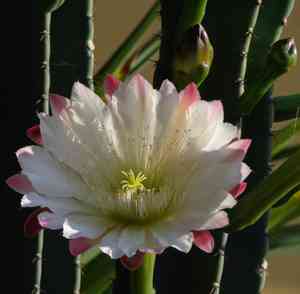
For hedge cactus, the onset of warmer weather as spring begins is perfect for repotting â it capitalizes on the favorable growing period ahead. Choose a bright spot with effective water runoff. If large, provide bracing to prevent transplant stress, fostering the potential for vigorous development.
Preparations Required Before Relocating Hedge Cactus
Optimal Period for Relocating Hedge Cactus?
The best time for moving hedge cactus is at the start of its active growth phase. This typically falls between late winter and early spring, just before new foliage emerges. Moving hedge cactus during this window allows its root system to settle in milder conditions, preparing it for vigorous growth once warmer weather arrives. Transplanting hedge cactus at this time also minimizes stress on the plant, increasing its chances of flourishing in its new spot. Your hedge cactus will appreciate the smooth transition with abundant, healthy development.
Recommended Spacing Between Hedge Cactus Plants?
When relocating hedge cactus, ensure ample room between each specimen. Aim for approximately 4-6 feet (1.2-1.8 meters) apart. This provides them with adequate space to expand and thrive without competing for resources.
Ideal Soil Blend for Hedge Cactus Relocation?
Prepare the ground for hedge cactus by selecting well-draining soil, ideally sandy or loamy. Before planting, incorporate a slow-release base fertilizer to nourish your plants and encourage development.
Where to Replant Your Hedge Cactus?
Locate a sunny position for hedge cactus in your garden. They thrive in sunlight and need at least six hours of direct sun daily. However, remember to shield them from intense afternoon sun to prevent scorching.
Equipment Needed Before Relocating Hedge Cactus
Spade or Shovel
Excavate your hedge cactus from its original site, being careful not to harm the roots.
Work Gloves
These are crucial for protecting your hands from any thorns, as hedge cactus possesses sharp ones.
Gardening Trowel
This can be used for digging a hole in the new location for the hedge cactus plant.
Moist Burlap
Use this to wrap around the root ball to prevent the roots from drying out during the move.
Wheelbarrow or a Plant Transporter
This tool will assist you in moving the hedge cactus plant, especially when dealing with larger specimens.
Mulch
After relocating, it's beneficial to apply some mulch around the new planting area to maintain soil moisture and temperature.
Watering Can or Garden Hose
These are necessary to thoroughly hydrate the plant after relocation.
How to Extract Hedge Cactus from the Soil?
How to Extract Hedge Cactus from the Soil?
From the Ground: Water the hedge cactus plant to moisten the surrounding soil, making removal easier. Use a shovel or spade to dig into the ground around your plant, ensuring you're far enough away to avoid damaging the root system. Dig a trench, gradually working towards the base of the plant and beneath the roots. Then, carefully lift the plant from the ground. Use moist burlap to wrap the root ball to maintain its integrity during transport. From a Pot: Water your hedge cactus plant thoroughly an hour or two before you plan to move it. Turn the pot on its side and gently slide the plant out, keeping the root ball intact. If the roots have grown too close to the pot's edge, you may need to tap the pot's sides to free it. Be gentle and patient to prevent root damage.
Step-by-Step Guide for Relocating Hedge Cactus
Relocation Timing
The optimal time to relocate hedge cactus is early spring or fall when temperatures are milder. Avoid moving during very hot or cold weather as it stresses the plant.
Site Preparation
Dig a hole in your chosen spot that is twice as wide and deep as the root ball of the hedge cactus plant.
Positioning the Plant
Gently place the hedge cactus in the hole, ensuring it stands upright. The plant's base should be level with the ground.
Backfilling the Hole
Refill the hole with the excavated soil. Gently press down with your hands to eliminate air pockets.
Watering
Give your hedge cactus a thorough watering immediately after relocation. Saturate the soil completely.
Post-Relocation Care for Hedge Cactus
Watering Schedule
The hedge cactus prefers to dry out before being watered again, so be careful not to overwater after the initial essential waterings. Excessive water can lead to rot issues.
Pest Prevention
Regularly inspect your hedge cactus plant for pests and treat with an appropriate insecticide if necessary. The hedge cactus plant can occasionally suffer from mealybugs or aphids.
Gentle Fertilization
Do not fertilize immediately after relocating, but begin a routine of gentle fertilization with a low-nitrogen blend about a month after relocation, to promote root health.
Addressing Common Issues with Hedge Cactus Relocation.
When is the best time to relocate hedge cactus?
Relocate hedge cactus during its prime seasons, generally between the first and second seasons (S1-S2).
What is the ideal spacing for hedge cactus during relocation?
When relocating, ensure hedge cactus are spaced approximately 4-6 feet (1.2-1.8 meters) apart. This allows for healthy, unimpeded growth.
How deeply should I plant hedge cactus during relocation?
Aim for roughly the same depth as its original container. Hedge cactus requires a well-anchored base, neither too deep nor too shallow.
Should I water hedge cactus immediately after relocating?
Absolutely! Water hedge cactus right after relocating. This helps compact the soil and lessen transplant shock for the plant.
What type of soil does hedge cactus prefer for successful relocation?
Hedge cactus thrives in well-draining soil. Consider a sandy or loamy mixture, not too dense or clayey, to ensure optimal growth.
How can I reduce relocation shock for hedge cactus?
Water hedge cactus thoroughly, ensure adequate spacing, and avoid exposing it to extreme temperature changes immediately post-relocation to minimize shock.
Should I prune hedge cactus before relocating?
It's not essential. If you choose to, avoid excessive pruning; only remove dead or diseased parts to ensure healthy growth after relocation.
Do I need to add fertilizer during the relocation of hedge cactus?
While not compulsory, a slow-release fertilizer can provide hedge cactus with a good growth boost after relocation. Be sure to avoid over-fertilizing.
Is full sun exposure necessary for hedge cactus after relocation?
Hedge cactus enjoys full sun but can tolerate partial shade. However, for the best growth, keep your relocated hedge cactus in a bright, sunlit area.
How to prepare the new planting hole for hedge cactus?
Dig a hole twice the width and the same depth as the previous pot. Enhance it with some compost for better nutrient absorption by hedge cactus.



