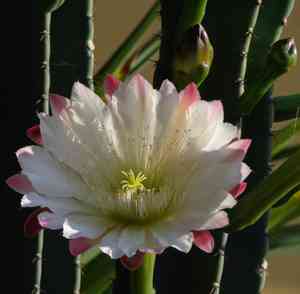
Hedge cactus (Cereus hildmannianus)
Also known as: Andes organ pipe, Hildmann's Cereus
The cactus species you're asking about is **Cereus jamacaru**, also known as the mandacaru cactus. Native to Brazil and Argentina, this cactus can reach heights of up to 15 meters and features a tree-like structure with a woody trunk and branches. It is notable for its large white flowers, which can be almost 30 cm across.
In This Article
Attributes of Hedge cactus
Lifespan
Perennial
Plant Type
Tree, Shrub
Plant Height
10 m
Spread
4.5 m
Leaf Color
N/A (Cacti typically do not have leaves but have modified stems)
Flower Size
15 cm to 30 cm
Flower Color
White Yellow Pink Green
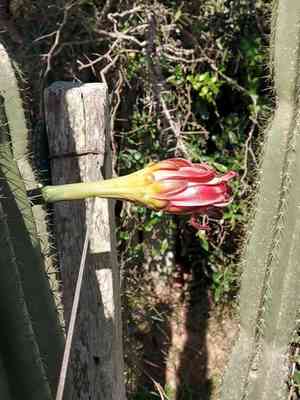
Images of Hedge cactus
Quickly Identify Hedge cactus
1
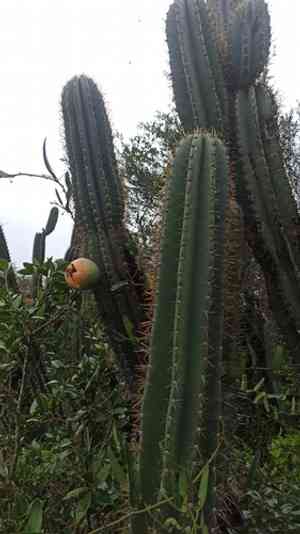
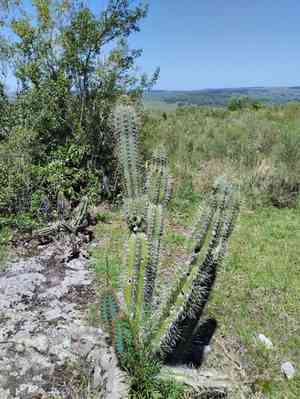
Look for its tall, vertical growth with ribbed, blue-green stems and spine-covered areoles. The flowers are large, white, and bloom at night, emitting a sweet fragrance.
Scientific Classification of Hedge cactus
Phylum
Vascular plants
Class
Dicotyledons
Order
Caryophyllales
Family
Cactuses
Genus
Cereus
Species
Hedge cactus
Planting and Growing of Hedge cactus
Care Difficulty
Easy
Watering Schedule
Every 2 days
Sunlight Requirements
Full sun
Sunshine Duration
6-10 hours
Ideal Temperature
65-77℉
Soil Type
Potting Mix, Peat Mix
Soil pH
6.5-7.5
Fertilizer Type
Balanced
Pruning Season
Spring, Summer
Pruning Area
Branches, Leaves
Pruning Frequency
2 times a year
Repotting Season
Spring
Pot Type
Plastic, Ceramic
 How to Water Hedge cactus?
When watering Cereus hildmannianus, aim to give around 250 ml of water per session. This quantity should slightly moisten the soil without saturating it, as the plant prefers dry conditions between waterings. Allow for proper drainage to avoid any standing water in the pot.
What are the symptoms of an underwatered Hedge cactus?
›
What should I do if my Hedge cactus is not getting enough water?
›
What are the symptoms of an overwatered Hedge cactus?
›
How to save an overwatered Hedge cactus?
›
 What Are the Sunlight Requirements for Hedge cactus?
Cereus hildmannianus prefers full sun exposure. Ideal lighting conditions promote strong, healthy growth and robust flowering, as well as ensure efficient photosynthesis and nutrient usage.
More About Sunlight Requirements Techniques→
Why does Cereus hildmannianus need full sun?
›
How to achieve ideal sunlight for Cereus hildmannianus?
›
What benefits come with ideal sunlight for Cereus hildmannianus?
›
 What Is the Ideal Temperature Range for Hedge cactus?
The ideal temperature range for cultivating Cereus hildmannianus is between 65°F and 77°F. This temperature range supports the cactus's metabolic processes efficiently, facilitating healthy growth and adequate physiological functions. At these temperatures, the plant is able to properly photosynthesize, leading to vigorous development and resistance to diseases.
 What Soil is Best for Hedge cactus?
For Cereus hildmannianus, well-draining soil is crucial to prevent root rot. Using sandy or loamy soil ensures excess water can escape, protecting the roots and promoting healthy growth. The soil should be able to provide essential nutrients to support the cactus's growth without being overly rich, which can lead to leggy growth. A balanced nutrient level in the sandy loam is ideal. Proper aeration in the soil facilitates the efficient exchange of gases and helps root respiration, which is essential for the robust health of Cereus hildmannianus.
 How to Fertilize Hedge cactus?
For Cereus hildmannianus, it's crucial to apply a balanced liquid fertilizer at half the recommended strength. This ensures that the plant receives the nutrients it needs without causing fertilizer burn. Generally, mixing one teaspoon of liquid fertilizer in a gallon of water is sufficient for this cactus species.
 How to Prune Hedge cactus?
Begin pruning your Cereus hildmannianus in the spring or summer when the plant is actively growing. Use sterilized pruning shears to carefully remove any dead or damaged segments of the cactus. Ensure cuts are clean to avoid infection. Focus on areas where segments show signs of rot or discoloration, always cutting back to a healthy, growing point. This not only helps in removing unhealthy parts but also shapes the plant and encourages balanced growth.
 How to Propagate Hedge cactus plant?
1
Select a healthy stem and make a clean cut using a sharp knife. Allow the cut end to dry and callous over for a few days to prevent rotting once planted.
2
Fill seed trays with a well-draining soil mix. Distribute seeds evenly across the surface, cover lightly with soil, and mist to maintain moisture. Position trays in a warm, bright area but away from direct sunlight.
3
Once the cut end of the cutting has calloused, plant it into a pot filled with a cactus soil mix. Ensure the pot has good drainage to prevent waterlogging, which can cause root rot.
 How to Repot Hedge cactus plant?
1
Cereus hildmannianus typically requires repotting when roots become visible through the drainage holes or when growth appears stunted. This signals that the plant is root-bound and needs more space. Also, if the soil has degraded and lost its structure, it's time to refresh it for better nutrient uptake.
2
Choose a pot that's 1-2 inches larger in diameter than the current one. A clay pot with drainage holes is ideal, as it allows excess water to evaporate and helps prevent root rot. The extra space enables root expansion, supporting healthy growth and reducing the need for frequent repotting.
3
Opt for a well-draining cactus mix comprised of equal parts potting soil, coarse sand, and perlite. Such soil prevents waterlogging by offering excellent aeration and drainage, thus mimicking the plant's natural environment and promoting robust root development.



