How to Transplant Alder-leaf mountain-mahogany?
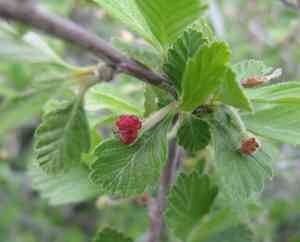
The optimal period for relocating alder-leaf mountain-mahogany is during the spring, which encourages strong root development. Select locations with good drainage and ample sunlight. Should moving the plant be essential, guarantee minimal disruption to its root system for effective re-establishment.
Preparations Required Before Relocating Alder-leaf Mountain-mahogany
Optimal Period for Moving Alder-leaf Mountain-mahogany?
The prime time for relocating alder-leaf mountain-mahogany is during the revitalizing months of spring. This season offers mild temperatures and consistent conditions, perfect for root establishment. Transplanting alder-leaf mountain-mahogany then allows it ample opportunity to adapt to its new setting before the rigors of summer heat or winter cold. The helpful advice here is to utilize spring's vigor, which provides a supportive environment for alder-leaf mountain-mahogany to flourish post-transplant. This approach boosts root development, ensuring alder-leaf mountain-mahogany faces subsequent seasons with strength and vitality.
Recommended Spacing Between Alder-leaf Mountain-mahogany Plants?
To allow alder-leaf mountain-mahogany ample room to flourish, ensure each plant is positioned 10-15 feet (3-4.5 meters) apart. This distance provides sufficient space for growth while guaranteeing each plant receives necessary nutrients.
Ideal Soil Blend for Alder-leaf Mountain-mahogany Relocation?
Prepare a loamy or sandy soil foundation for alder-leaf mountain-mahogany to thrive. Additionally, incorporate a foundational fertilizer rich in organic matter. This enrichment boosts soil fertility and encourages vigorous development.
Where to Replant Your Alder-leaf Mountain-mahogany?
Select a location where alder-leaf mountain-mahogany will receive full sunlight; this is crucial for its development. However, avoid extreme exposure as alder-leaf mountain-mahogany can also tolerate partial shade. Occasional sunbeams are perfectly fine!
Tools to Prepare Before Transplanting Alder-leaf Mountain-mahogany?
Gardening Gloves
To safeguard your hands while handling the plant and working the soil.
Shovel or Spade
Essential for extracting the plant from its original spot and excavating the new hole.
Gardening Fork
Aids in loosening the soil at the intended planting site.
Pruning Shears
For any necessary trimming during the relocation process.
Tarp or Large Cloth
To move alder-leaf mountain-mahogany and its root ball without harming the plant or losing soil.
Watering can or hose
For hydrating your alder-leaf mountain-mahogany during and after transplantation.
How to Extract Alder-leaf Mountain-mahogany from the Ground?
How to Extract Alder-leaf Mountain-mahogany from the Ground?
From ground: Start by moistening the soil surrounding alder-leaf mountain-mahogany. Use a spade or shovel to dig a trench around the plant, being careful to keep the root ball intact. Position the spade beneath the root ball and gently lift the plant. Transfer it onto a tarp or large cloth, ready for relocation.From Pot: Water the alder-leaf mountain-mahogany to moisten the soil. Attempt to turn the pot sideways, tap the rim on a firm surface to loosen the soil, and carefully remove the plant. If the plant is root-bound (roots circling the pot's interior), gently separate the roots.From Seedling Tray: Water the soil in the tray and allow it to fully absorb. Use a small tool or your fingers to lift the saplings from their base, avoiding damage to stems and roots.
Step-by-Step Guide for Relocating Alder-leaf Mountain-mahogany
Preparation
Remove any dead or damaged parts from alder-leaf mountain-mahogany using pruning shears. Arrange a tarp or another large piece of cloth to transport your plant along with its root ball.
Digging
Using a spade or shovel, create a hole at the new location that is twice the width of the root ball and equally deep. Loosen the sides of the hole with a gardening fork.
Planting
Position alder-leaf mountain-mahogany in the center of the hole. The top of the root ball should be level with or slightly above the soil surface. Backfill the hole with soil and gently firm it around the plant.
Watering
Thoroughly water your alder-leaf mountain-mahogany by allowing water to slowly permeate the ground. This helps the soil settle around the roots.
Post-Transplant Care for Alder-leaf Mountain-mahogany
Watering
Maintain consistent soil moisture, but be careful to avoid waterlogging. Water deeply, less frequently, to encourage roots to penetrate deeper into the soil, enhancing plant stability.
Pruning
After transplanting, alder-leaf mountain-mahogany may prioritize root growth over foliage or flowers. Lightly pruning upper growth can help balance this effect while the plant establishes itself.
Mulching
Applying a layer of organic mulch around your alder-leaf mountain-mahogany can help retain soil moisture and regulate root temperature. Just ensure it does not touch the trunk.
Monitoring
Watch for signs of transplant shock, such as wilting leaves or stunted growth. While some degree of shock is normal, prompt action can lessen negative impacts.
Addressing Common Issues with Alder-leaf Mountain-mahogany Transplantation.
When is the best time to move alder-leaf mountain-mahogany?
The prime season to transplant alder-leaf mountain-mahogany is during the S1-S3 cycle, which spans from late winter to early spring.
What is the ideal spacing between alder-leaf mountain-mahogany plants?
Provide your alder-leaf mountain-mahoganys ample room to develop. The optimal distance between them should be approximately 10-15 feet (3-4.5 meters).
My alder-leaf mountain-mahogany is wilting after being moved, why?
Alder-leaf mountain-mahogany can experience transplant shock. It helps to water the plant thoroughly after relocation and keep the soil moderately moist thereafter.
What is the procedure for preparing my alder-leaf mountain-mahogany for transplantation?
Before relocating, water the alder-leaf mountain-mahogany generously 1-2 days in advance. This will help the root ball remain intact and minimize stress during the process.
How deep should I plant alder-leaf mountain-mahogany in its new spot?
Alder-leaf mountain-mahogany should be transplanted at the same depth as it was growing in its previous location to maintain root system stability.
What if the leaves of my alder-leaf mountain-mahogany begin to drop after transplantation?
This is a common stress response. Ensure proper watering and allow the plant some time. If it persists, there might be an underlying problem.
Can I transplant alder-leaf mountain-mahogany in S4 (summer)?
While not ideal, it is possible. If you do, provide extra care to ensure the alder-leaf mountain-mahogany does not dry out or overheat.
Is it necessary to apply fertilizers immediately after transplanting alder-leaf mountain-mahogany?
Not necessarily. Give alder-leaf mountain-mahogany some time to acclimate before adding fertilizer. Once settled, a light, balanced fertilizer can be beneficial.
What should I do if my transplanted alder-leaf mountain-mahogany becomes diseased?
First, identify the disease. It could be due to over-watering or a fungal infection. Consult a local horticulturalist or consider using an eco-friendly pesticide.
Why does my alder-leaf mountain-mahogany appear stunted after transplantation?
After a transplant, it's normal for alder-leaf mountain-mahogany to take time to adjust before entering a growth phase. Ensure optimal conditions, and be patient.



