How to Propagate Alder-leaf mountain-mahogany?
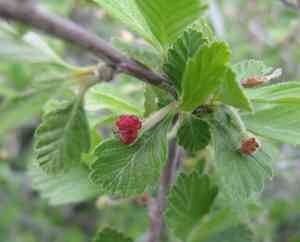
Alder-leaf mountain-mahogany flourishes when reproduced via cuttings, a straightforward and efficient technique for this particular species. Begin by choosing a robust, semi-woody stem from an established plant in late summer. Sever a section roughly 4-6 inches in length, making sure it possesses a minimum of two leaf pairs. Detach the foliage from the bottom half of the cutting to reveal the nodes. For optimal outcomes, immerse the severed end in rooting compound prior to embedding it in a well-aerated potting blend. Maintain consistent moisture in the soil and position the cutting in a spot with filtered light until root systems emerge.
Optimal Time for Propagating Alder-leaf Mountain-mahogany
Propagation Method
Cutting
Propagation Period
Autumn,Winter
Tools Required for Alder-leaf Mountain-mahogany Propagation
Sharp Pruning Shears
These are utilized to make precise cuts on alder-leaf mountain-mahogany when taking stem cuttings. A clean cut helps prevent damage to the parent plant and ensures the cutting has a smooth surface for rooting. The sharpness of the shears is particularly beneficial for alder-leaf mountain-mahogany, as it minimizes stress and allows for a quicker recovery and rooting process.
Rooting Hormone Powder or Gel
This substance significantly improves the likelihood of successful root development from cuttings of alder-leaf mountain-mahogany. By applying it to the freshly cut base of the stem, the hormone stimulates root growth, which is crucial for alder-leaf mountain-mahogany that may otherwise struggle to establish roots quickly. This boosts the overall success rate of propagation.
Sterilization Equipment (e.g., Alcohol or Bleach Solution)
Used to sterilize the pruning shears before and after taking cuttings from alder-leaf mountain-mahogany. Sterilization is essential to prevent the spread of diseases between plants, ensuring that the propagated alder-leaf mountain-mahogany cuttings and the parent plant remain healthy.
Humidity Dome or Plastic Bags
These tools are used to maintain high humidity around the alder-leaf mountain-mahogany cuttings during the initial rooting phase. High humidity helps to prevent the cuttings from losing too much moisture through transpiration, which is critical since the cuttings do not have roots to absorb water initially.
Potting Mix Appropriate for Cuttings
A well-draining, sterile potting mix facilitates the growth of new roots without retaining excessive water, which could cause rot. The choice of potting mix is crucial for alder-leaf mountain-mahogany as it requires a medium that supports moisture retention while also providing enough aeration for root growth.
How to Propagate Alder-leaf Mountain-mahogany?
Propagation Difficulty
Moderately Difficult
Caring for Your Newly Propagated Alder-leaf Mountain-mahogany
Caring for Your Newly Propagated Alder-leaf Mountain-mahogany
After successful propagation and once alder-leaf mountain-mahogany shows signs of stable growth, gradually acclimate the plant to less humid conditions by removing the plastic cover for increasing periods. Place alder-leaf mountain-mahogany in a location that receives full sun to part shade and maintain evenly moist soil. Avoid overwatering to prevent root rot. During the growing seasons, alder-leaf mountain-mahogany benefits from occasional fertilization with a balanced, slow-release fertilizer. Prune alder-leaf mountain-mahogany annually to shape and encourage denser foliage.
Common Mistakes to Avoid When Propagating Alder-leaf Mountain-mahogany
Overwatering cuttings
Overwatering cuttings of alder-leaf mountain-mahogany can lead to root rot, which significantly diminishes the chances of successful root formation. Excessive moisture around the roots creates an anaerobic environment, discouraging healthy root growth.
Using non-sterile tools and mediums
When propagating alder-leaf mountain-mahogany, using non-sterile tools and mediums can introduce pathogens, leading to diseases that may kill the cuttings before they successfully root. Sterility is crucial to prevent the spread of fungi and bacteria.
Cutting size being too large or too small
Using cuttings that are either too large or too small can adversely affect the rooting potential of alder-leaf mountain-mahogany. Oversized cuttings may struggle to support themselves, while undersized cuttings may not have enough resources to initiate new growth.
Tips For Propagating Alder-leaf Mountain-mahogany
Humidity control
Maintaining moderate humidity is critical for alder-leaf mountain-mahogany during propagation, especially to prevent the cuttings from drying out before they can establish roots. Using a humidity dome or mist system can help manage these conditions effectively.
Appropriate cutting selection
Selecting semi-hardwood cuttings from alder-leaf mountain-mahogany that are neither too young nor too mature enhances rooting success. Opt for cuttings that are healthy, disease-free, and have had a moderate growth rate.
Use of rooting hormones
Applying a suitable rooting hormone to the base of the cuttings can significantly increase the chances of successful root development in alder-leaf mountain-mahogany. Rooting hormones encourage quicker and more robust root growth, leading to a higher success rate in propagation.



