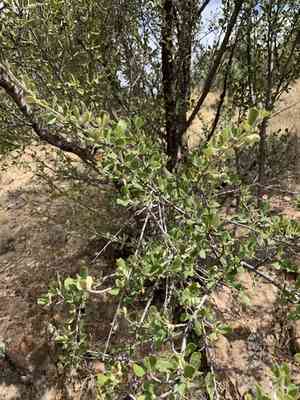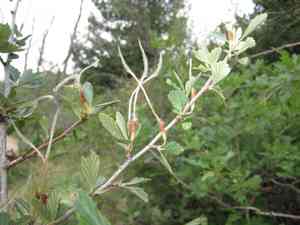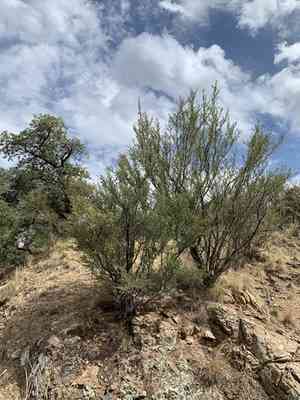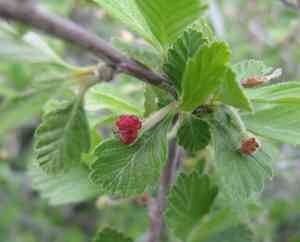
Alder-leaf mountain-mahogany(Cercocarpus montanus)

Alder-leaf mountain-mahogany (Cercocarpus montanus)

Also known as: True mountain mahogany, Mountain mahogany

The alder-leaf mountain-mahogany, native to northern Mexico, attracts various animals that graze on its smooth and thin bark. Notable grazers include the yellow-haired porcupine, deer, sheep, and cattle. The genus name "Cercocarpus" derives from Greek, meaning "tail" and "fruit," highlighting the unique hairy tails or feathers of its flowers.

Attributes of Alder-leaf mountain-mahogany

Lifespan
Perennial
Plant Type
Shrub
Plant Height
1.2 m to 6 m
Spread
1.2 m to 2.5 m
Leaf Color
Green
Flower Size
0.5 to 1 cm
Flower Color
Yellow Pink Green Purple

ForwardPlant - Identify plants with a snap

Identify and diagnose plants, get toxicity alerts, and explore safety guides for all types of fungi.

Try for Free

Images of Alder-leaf mountain-mahogany
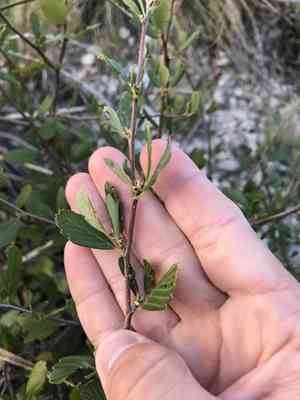
Alder-leaf mountain-mahogany(Cercocarpus montanus)

Quickly Identify Alder-leaf mountain-mahogany

1
Petalless cream to pale yellow flowers in clusters of 2-3 lacking fragrance.
2
Distinctive hard fruit with silvery-white feathery tails resembling a small feather duster.
3
Simple leaves with dark green tops, fuzzy silver undersides, and potential toothed margins.
4
Thick trunk with fine-textured bark developing small scale-like flecks over time.
5
Robust shrub or small tree growing 3-8 feet with feather-tailed decorative seed heads.

Scientific Classification of Alder-leaf mountain-mahogany

Phylum
Vascular plants
Class
Dicotyledons
Order
Rosales
Family
Rose
Genus
Cercocarpus
Species
Alder-leaf mountain-mahogany

Planting and Growing of Alder-leaf mountain-mahogany

Care Difficulty
Easy
Watering Schedule
Every 2 days
Sunlight Requirements
Full sun
Sunshine Duration
6-10 hours
Ideal Temperature
55-75℉
Soil Type
Potting Mix, Peat Mix
Soil pH
6.5-7.5
Fertilizer Type
Balanced
Pruning Season
Spring, Summer
Pruning Area
Branches, Leaves
Pruning Frequency
2 times a year
Repotting Season
Spring
Pot Type
Plastic, Ceramic

water icon How to Water Alder-leaf mountain-mahogany?

Cercocarpus montanus enjoys well-drained soil conditions, requiring approximately 500 ml of water per session. Water until the top 2-3 inches of soil feel slightly moist but not soaked. This ensures deep-root hydration without causing root rot.
What are the symptoms of an underwatered Alder-leaf mountain-mahogany?
What should I do if my Alder-leaf mountain-mahogany is not getting enough water?
What are the symptoms of an overwatered Alder-leaf mountain-mahogany?
How to save an overwatered Alder-leaf mountain-mahogany?

sunlight icon What Are the Sunlight Requirements for Alder-leaf mountain-mahogany?

Sunlight Requirements: Full sun, Partial sun
Duration of light: 6 to 8 hours daily
Cercocarpus montanus benefits greatly from partial to full sun exposure, enhancing its distinct growth habits and flowering capability. The ideal light range aids in photosynthesis, leading to vibrant growth and better resistance to fluctuating temperatures and environmental threats.
How much sun does Cercocarpus montanus need?
Can partially shaded areas support its growth?
What are the benefits of optimum lighting?
More About Sunlight Requirements Techniques

temperature icon What Is the Ideal Temperature Range for Alder-leaf mountain-mahogany?

Ideal Temperature: 55 ~ 75℉
Cercocarpus montanus thrives best in a temperature range from 55 to 75°F. This range ensures adequate metabolic activity and nutrient uptake, promoting healthy growth and resilience. Maintaining this temperature helps in flowering and provides a consistent growth rate throughout its active growing season.

soil icon What Soil is Best for Alder-leaf mountain-mahogany?

Soil type: Sandy loam, Loam, Calcareous soil
Soil PH: 6.5 ~ 7.5
Cercocarpus montanus thrives in well-drained soil because it prevents waterlogging, which can lead to root rot. This characteristic ensures that the roots have access to both air and adequate moisture. A nutrient-rich soil allows for optimal growth and health. The nutrients provide essential elements that support photosynthesis and new growth, making it lush and robust. While Cercocarpus montanus can tolerate poor soils, it prefers soil with moderate fertility, which supports healthy growth without excessive leggy growth that overly rich soils might cause.

fertilize icon How to Fertilize Alder-leaf mountain-mahogany?

Fertilizer type: Balanced
Cercocarpus montanus, also known as mountain mahogany, has moderate nutrient needs. Typically, using a balanced 10-10-10 liquid fertilizer at a rate of 1 tablespoon per gallon of water is recommended. For slow-release fertilizers, apply about 1/4 cup per plant in spring. Always adjust based on plant growth and condition.

prune icon How to Prune Alder-leaf mountain-mahogany?

Pruning Time: Spring, Summer, Autumn
Begin by removing any dead, damaged, or diseased branches at their base. This process helps in keeping the plant healthy and preventing pest infestations. Thin out crowded areas within the shrub, which will increase air circulation, reducing the likelihood of fungal diseases and encouraging robust growth. Shape the shrub by trimming back any excessively long branches, ensuring it maintains a balanced form. Control its size by cutting back to the desired height and width. More About Pruning Techniques

propagate icon How to Propagate Alder-leaf mountain-mahogany plant?

Propagate Time: Spring, Early spring, Late spring
1
Collect mature seeds from the Cercocarpus montanus plant. Clean and dry the seeds thoroughly to prevent mold and prepare them for sowing.
2
Sow the seeds in a seed tray filled with well-draining soil. Lightly cover the seeds with soil and water gently to maintain moisture without drowning them.
3
Select healthy branches of Cercocarpus montanus for cuttings. Trim them using pruning shears, ensuring each cutting is approximately 4-6 inches long.
More About Propagating Techniques

repot icon How to Repot Alder-leaf mountain-mahogany plant?

Repotting frequency: Every 2-3 years
1
Repotting Cercocarpus montanus is primarily needed when you see roots emerging from drainage holes or when growth appears stunted. These signs indicate that the plant has outgrown its current container. Early spring is the optimal time to repot as the plant is entering its growth phase, ensuring minimal stress.
2
Select a pot that is one size larger than the current one, ideally with good drainage holes. This ensures ample space for root expansion while preventing waterlogging. A pot that is too large might retain excess moisture, which is detrimental to the plant.
3
Opt for a well-draining sandy loam soil mix. This type of soil mimics the natural habitat of Cercocarpus montanus, providing adequate aeration and moisture control, crucial for the plant's root health and growth.

ForwardPlant - Identify plants with a snap

Find the best spots for them to optimize their health, simply using your phone.

Try for Free

Toxicity of Alder-leaf mountain-mahogany

Is Alder-leaf mountain-mahogany toxic to cat?

Alder-leaf mountain-mahogany exhibits a moderate level of toxicity for cats, making all components of this plant potentially dangerous. If a cat consumes any part of the alder-leaf mountain-mahogany, it can lead to poisoning. Pet owners should be vigilant for any indications of physical discomfort or illness, which could suggest that the cat has ingested a part of this plant. In the absence of pinpointing specific toxic agents, it is vital to monitor your pet for any unusual behavior or signs of distress. Should you suspect poisoning, seeking immediate veterinary care is essential to safeguard the health and well-being of your cat.

Is Alder-leaf mountain-mahogany toxic to dog?

Cercocarpus montanus, widely recognized as Alder-leaf mountain-mahogany, presents a moderate toxicity concern for dogs. Ingesting any portion of the alder-leaf mountain-mahogany can lead to poisoning due to its inherently toxic characteristics. Dogs can become poisoned by swallowing various plant parts, including leaves, stems, flowers, and seeds. Symptoms of dog poisoning may manifest as gastrointestinal distress, vomiting, diarrhea, lethargy, or, in more severe cases, depending on the quantity consumed. It is essential for dog owners to keep a vigilant eye on their pets and restrict access to alder-leaf mountain-mahogany to prevent any potential poisoning events. Should a dog be suspected of having ingested parts of this plant, seeking immediate veterinary attention is crucial to ensure swift treatment and the best possible outcomes.

Identify toxic plants for your safety

Learn which plants are harmful to you and your pets, and make informed choices for a safer home!

Try for Free
WARNING
The judgment on toxicity and danger is for reference only. We DO NOT GUARANTEE any accuracy of such judgment. Therefore, you SHALL NOT rely on such judgment. It is IMPORTANT TO SEEK PROFESSIONAL ADVICE in advance when necessary.
More About Toxic Techniques