How to Transplant Western field mouse-ear chickweed?
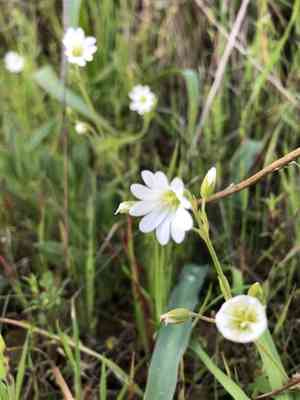
The prime windows for relocating western field mouse-ear chickweed are the vibrant early to late spring and the tranquil late autumn. Select a site with good drainage and partial shade to facilitate its best development. Enjoy your planting!
What Preparations are Needed Before Transplanting Western Field Mouse-ear Chickweed?
What is the Ideal Time for Transplanting Western Field Mouse-ear Chickweed?
The best time to move western field mouse-ear chickweed is from early to late spring or during late autumn. These periods offer moderate temperatures and sufficient moisture, encouraging root establishment and development. Transplanting at these times ensures the perennial's successful adaptation and resilience in its new spot, benefiting from favorable growing conditions.
How Much Space Should You Leave Between Western Field Mouse-ear Chickweed Plants?
When relocating 'western field mouse-ear chickweed', ensure each plant is spaced approximately 6-12 inches (15-30 cm) apart to allow ample room for growth and flourishing.
What is the Best Soil Mix for Western Field Mouse-ear Chickweed Transplanting?
For western field mouse-ear chickweed, utilize well-draining soil combined with a foundational fertilizer. A loamy soil that is neither too sandy nor too clayey is ideal. Incorporate a balanced fertilizer to enrich the soil prior to planting.
Where Should You Relocate Your Western Field Mouse-ear Chickweed?
Western field mouse-ear chickweed thrives in full sun or partial shade, so select a location where the plant will receive at least 4-6 hours of sunlight daily. Choose a spot where the soil can remain moist but not waterlogged.
What Equipments Should You Prepare Before Transplantation Western Field Mouse-ear Chickweed?
Gardening Gloves
To safeguard your hands while handling soil and plants.
Shovel or Spade
To excavate around and lift the plant from its initial position.
Trowel
For more precise digging and placing the plant in its new spot.
Watering Can or Hose
To hydrate the plant both before and after its relocation.
Pruning Shears
To trim any dead or damaged roots or foliage.
Compost or Organic Matter
To enrich the soil in the new planting area.
How Do You Remove Western Field Mouse-ear Chickweed from the Soil?
How Do You Remove Western Field Mouse-ear Chickweed from the Soil?
From Ground: First, irrigate the western field mouse-ear chickweed plant to moisten the soil. Next, dig a wide trench around the plant using a shovel or spade, ensuring the plant's root ball stays intact. Carefully work the spade beneath the root ball to lift the plant from its original location.From Pot: Water the western field mouse-ear chickweed plant thoroughly. Gently tap the pot's sides to loosen the soil and roots. Carefully tilt the pot to one side and slide the plant out, holding it by the stem's base.From Seedling Tray: Lightly water the western field mouse-ear chickweed seedlings. Use a trowel or your fingers to gently lift each seedling, making sure to include a small clump of soil with the roots.
Step-by-Step Guide for Transplanting Western Field Mouse-ear Chickweed
Site Preparation
Prepare the new planting location by clearing any weeds or debris. Dig a hole slightly larger than the plant's root ball.
Soil Enrichment
Incorporate some compost or organic material into the soil to provide extra nutrients.
Plant Placement
Position the western field mouse-ear chickweed in the hole, ensuring the top of the root ball is level with the surrounding soil. Fill the hole with soil and gently firm it down around the plant.
Initial Watering
Water the plant thoroughly to help settle the soil around its roots.
Mulching
Apply a layer of mulch around the plant's base to help retain moisture and suppress weeds.
How Do You Care For Western Field Mouse-ear Chickweed After Transplanting?
Watering
Keep the soil around the western field mouse-ear chickweed consistently moist, but not waterlogged, for the initial weeks post-transplant to aid in strong root development.
Monitoring
Regularly inspect the plant for any indications of stress or disease. Address any issues promptly to ensure healthy growth.
Support
If needed, provide support to help the plant remain upright until it is well-established.
Troubleshooting Common Issues with Western Field Mouse-ear Chickweed Transplantation.
When is the best time to transplant western field mouse-ear chickweed?
The ideal season for relocating western field mouse-ear chickweed is early to late spring or late autumn.
What is the ideal spacing for transplanting western field mouse-ear chickweed?
Space western field mouse-ear chickweed 6-12 inches (15-30 cm) apart for optimal growth and space management.
How can I prepare the soil for transplanting western field mouse-ear chickweed?
Ensure well-draining soil enriched with organic compost before transplanting western field mouse-ear chickweed.
Should I water western field mouse-ear chickweed after transplanting?
Yes, water western field mouse-ear chickweed thoroughly after transplanting to establish strong roots.
How deep should I plant western field mouse-ear chickweed?
Plant western field mouse-ear chickweed at the same depth it was growing before, ensuring stability.
What if western field mouse-ear chickweed shows signs of transplant shock?
Provide shade, adequate water, and patience; western field mouse-ear chickweed should adjust in a few weeks.
Can I transplant western field mouse-ear chickweed in summer?
It's best to avoid transplanting western field mouse-ear chickweed in summer due to heat stress risk.
What if western field mouse-ear chickweed wilts after transplanting?
Check for over or underwatering, and ensure soil drainage meets western field mouse-ear chickweed's needs.
How to reduce stress when transplanting western field mouse-ear chickweed?
Transplant in cool, cloudy weather and handle roots with care to reduce stress.
Why is my transplanted western field mouse-ear chickweed not growing?
Check soil quality, watering schedule, and sunlight levels; adjust if necessary.



