How to Transplant Dwarf mouse-ear?
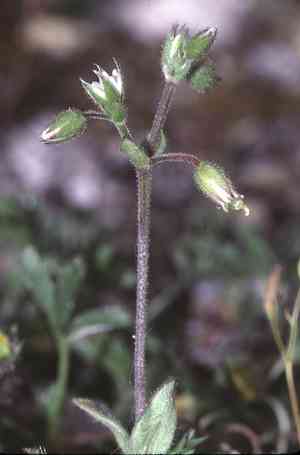
The ideal period for relocating dwarf mouse-ear spans from the revitalizing phase of mid-spring through the initial warmth of summer, or alternatively, as the coolness of autumn transitions into the onset of winter. Select a location offering abundant illumination and soil that drains effectively to guarantee proper establishment.
Essential Preparations Before Relocating Dwarf Mouse-ear
Optimal Period for Transplanting Dwarf Mouse-ear
The ideal time to move dwarf mouse-ear is during the mild conditions of late spring to early summer, or as autumn transitions to winter. This timing provides dwarf mouse-ear with stable, moderate weather, fostering robust root development without the strain of extreme temperatures. Choosing this transplanting window offers the most favorable environment for dwarf mouse-ear to thrive, avoiding intense summer heat and winter frost.
Recommended Spacing Between Dwarf Mouse-ear Plants
Before rehousing your dwarf mouse-ear, ensure adequate room for growth! Position them approximately 6-9 inches (15-23 cm) apart. This spacing allows your plants to develop strongly and minimizes competition for light, water, and nutrients.
Best Soil Mixture for Dwarf Mouse-ear Transplantation
Your dwarf mouse-ear will flourish in soil that drains effectively. Improve your garden bed with a blend of potting soil and compost to guarantee proper drainage and nutrient availability. Incorporate a balanced, slow-release fertilizer to give your plants a beneficial start. A beginner's tip: Avoid excessive fertilization!
Optimal Location for Relocating Your Dwarf Mouse-ear
A bright spot makes for a happy dwarf mouse-ear. Select a site where they can receive at least 6 hours of sunlight daily. Morning sun is particularly beneficial for warming them and stimulating growth.
Necessary Tools for Transplanting Dwarf Mouse-ear
Gardening Gloves
To safeguard your hands while handling soil and plants.
Trowel
For digging small holes when transplanting dwarf mouse-ear.
Hand Fork
To loosen and aerate the soil around the plant's root system prior to transplanting.
Watering Can or Hose
To hydrate the dwarf mouse-ear before and after relocation, ensuring moisture.
Pruning Shears
To trim any damaged or overly long roots before transplanting.
Measuring Tape
To determine the correct distance between transplanted specimens.
Rubber Mallet
To firmly set any support stakes without causing damage after the transplant.
Method for Extracting Dwarf Mouse-ear from the Soil
Method for Extracting Dwarf Mouse-ear from the Soil
From Ground: First, water the dwarf mouse-ear to moisten the soil. Use a trowel to dig a wide circle around the plant, taking care not to disturb the root ball. Gently lift the plant, ensuring the root ball remains intact.From Pot: Thoroughly water the dwarf mouse-ear in its container for easier removal. Invert the pot on its side and lightly tap the edges to loosen the plant. Grasp the base of the dwarf mouse-ear and carefully slide it out, keeping the potting soil around the roots.From Seedling Tray: Hydrate the soil in the seedling tray. Use a trowel or hand fork to carefully lift the dwarf mouse-ear seedlings from their compartments, making sure to support the root system and soil as one unit.
Detailed Instructions for Transplanting Dwarf Mouse-ear
Selecting the Appropriate Time
Ensure you transplant dwarf mouse-ear during cooler parts of the day, such as early morning or late afternoon, to minimize stress.
Preparing the New Location
Dig a hole in the ground just large enough to accommodate the root ball of dwarf mouse-ear. Loosen the soil at the bottom of the hole with a hand fork.
Plant Placement
Position dwarf mouse-ear in the center of the hole, ensuring it's at the same soil depth as it was previously.
Backfilling Soil
Carefully refill the hole with soil, gently compacting around the base to eliminate air pockets, using a rubber mallet for any support stakes.
Initial Watering
After transplanting, water the dwarf mouse-ear generously to settle the soil and provide hydration.
Securing the Plant
If the dwarf mouse-ear appears top-heavy, use supports to stabilize it. Gently tap the stakes into the ground with a rubber mallet and secure the plant.
Finishing Touches
Add a layer of mulch around the base of dwarf mouse-ear to help maintain soil moisture and regulate temperature, being careful not to mound it directly against the stem.
Post-Transplant Care for Dwarf Mouse-ear
Consistent Watering
Provide regular moisture to dwarf mouse-ear without over-watering, as the roots need time to establish.
Mulch Maintenance
Keep the mulch layer intact to shield the plant from temperature extremes and retain moisture.
Health Monitoring
Inspect the dwarf mouse-ear daily for signs of distress, such as wilting or discolored leaves, and address issues as needed.
Weed Control
Regularly remove weeds around dwarf mouse-ear to prevent competition for nutrients and water.
Stake Adjustment
Monitor and adjust any supports or stakes, ensuring they don’t restrict growth or harm the plant.
Resolving Common Issues with Dwarf Mouse-ear Transplantation.
When is the optimal time to transplant dwarf mouse-ear?
Transplant dwarf mouse-ear in mild conditions, from mid-spring to early summer, or during cooler periods, late fall to mid-winter.
What spacing is recommended for dwarf mouse-ear during transplanting?
Space dwarf mouse-ear 6-9 inches (15-23 cm) apart to ensure ample room for growth and sufficient sunlight exposure.
Why is my transplanted dwarf mouse-ear wilting?
Post-transplant wilting can be due to shock. Ensure adequate watering, avoid direct midday sun, and shield from strong winds.
How deep should the planting hole be for dwarf mouse-ear?
The hole should match the depth of the root ball and be twice as wide to allow for growth and root expansion.
How much water does dwarf mouse-ear require after transplanting?
After transplanting, keep the soil consistently moist but not waterlogged. Water deeply to encourage root establishment.
Is it advisable to transplant dwarf mouse-ear on a hot, sunny day?
Transplant dwarf mouse-ear on a cloudy day or in the evening to reduce stress and prevent immediate water loss.
How do I select a transplant site for dwarf mouse-ear?
Choose a location with well-draining soil and partial to full sunlight exposure, protected from harsh winds.
What if dwarf mouse-ear shows no growth after transplant?
Be patient; dwarf mouse-ear may experience transplant shock. Maintain consistent care and look for signs of new growth in a few weeks.
Should I fertilize dwarf mouse-ear after transplanting?
Wait 2-4 weeks before applying a balanced fertilizer to allow dwarf mouse-ear to settle and root systems to strengthen.
How do I prepare the soil for transplanting dwarf mouse-ear?
Enrich the soil with compost or well-rotted manure, ensuring it's loose and well-aerated for optimal root growth.



