The Dwarf mouse-ear Plant Advantage: Maximizing Home and Office Appeal and Wellness
1
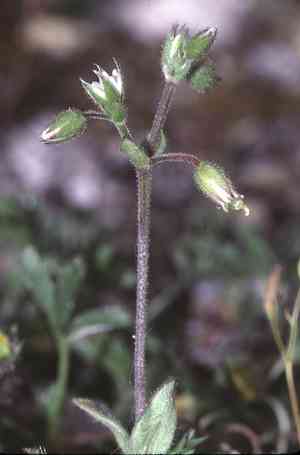
Dwarf mouse-ear serves as an adaptable ground-covering plant, ideal for rockeries and garden edges.
2
It flourishes in soil that drains effectively and in bright, sunny spots, simplifying its cultivation.
3
Dwarf mouse-ear draws in helpful pollinators such as bees and butterflies, improving your garden's natural balance.
Why Opt for Dwarf Mouse-ear in Your Garden?
Minimal Upkeep Requirements
A key characteristic of Dwarf mouse-ear is its low maintenance demands. Once established, this resilient plant needs very little intervention to flourish. It tolerates dry conditions, meaning it can endure extended periods without water, lessening the need for frequent irrigation. This makes it an ideal selection for busy gardeners or those in arid regions.
Attractive Ground Cover
With its dense, mat-forming growth habit, Dwarf mouse-ear serves as an appealing ground cover. Its soft, silvery-green foliage blankets the soil, inhibiting weed growth and reducing soil erosion. This not only keeps your garden neat but also shields your soil from harsh weather.
How Does Dwarf Mouse-ear Benefit Your Garden's Ecosystem?
Attracts Pollinators
The blooms of Dwarf mouse-ear are highly appealing to various pollinators, including bees and butterflies. By incorporating Dwarf mouse-ear into your garden, you create a welcoming environment for these vital insects, which in turn supports the overall health and productivity of your garden. Pollinators are essential for the fertilization of many plants, so having Dwarf mouse-ear can indirectly benefit your entire garden ecosystem.
Enhances Soil Health
Dwarf mouse-ear positively influences soil health. Its root system aids in aerating the soil, improving its structure and promoting the absorption of water and nutrients. Over time, this results in healthier soil that can better support other plants. Furthermore, the organic matter from its decaying leaves and stems enriches the soil with vital nutrients.
Can Dwarf Mouse-ear Be Utilized in Landscaping?
Rock Gardens and Edges
Dwarf mouse-ear is an excellent addition to rock gardens and borders due to its robust nature and appealing look. It performs well in rocky environments, providing a natural and unified appearance to the landscape. The plant's ability to trail over edges and fill spaces makes it a versatile choice for creative garden design.
Container Cultivation
If space is limited, Dwarf mouse-ear thrives in containers. Potted Dwarf mouse-ear can be used to decorate patios, balconies, or steps, adding a touch of greenery and a welcoming ambiance. Containers also facilitate moving the plant as needed, ensuring it receives optimal sunlight and protection from extreme weather.
What Are Some Care Recommendations for Dwarf Mouse-ear?
Ideal Growing Conditions
Dwarf mouse-ear flourishes in well-drained soil and sunny spots. Ensure the plant receives at least six hours of daily sunlight for optimal growth and blooming. Avoid planting in areas with heavy, waterlogged soil, as this can lead to root rot.
Regular Upkeep
Consistent pruning helps maintain the desired shape and prevents the plant from becoming overly expansive. Removing spent flowers encourages more blooms and keeps the plant looking vibrant. Additionally, applying mulch around the plant's base retains soil moisture and suppresses weeds, further reducing maintenance efforts.



