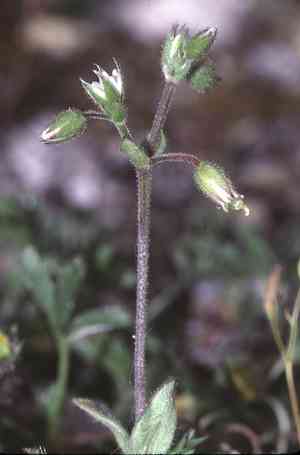
Dwarf mouse-ear (Cerastium pumilum)
Also known as: Sea mouse-ear
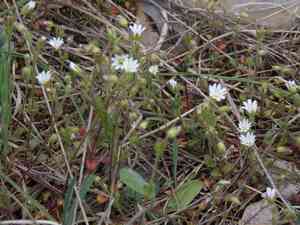
The Dwarf Mouse-ear is notable for its short, reddish stems and small white flowers that bloom in spring. It is frequently used in container and bedding gardens to attract bees and butterflies. While it is widespread in England and Wales, it is absent in Ireland and Scotland.
In This Article
Attributes of Dwarf mouse-ear
Lifespan
Annual
Plant Type
Herb
Plant Height
5-10 cm
Spread
15-30 cm
Leaf Color
Grey-green
Flower Size
0.5-1 cm
Flower Color
White
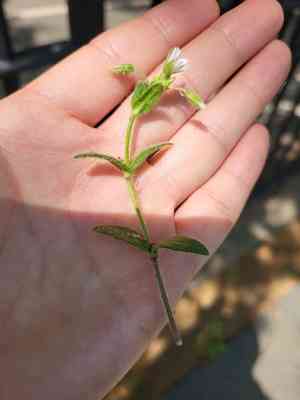
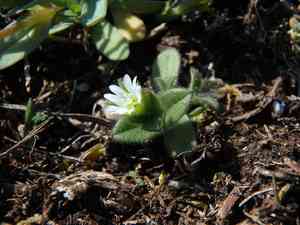
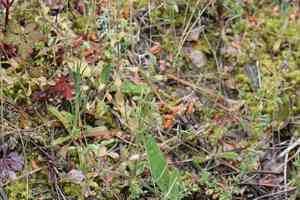
Images of Dwarf mouse-ear
Quickly Identify Dwarf mouse-ear
1
To identify Cerastium pumilum, look for its small, white, star-shaped flowers with five deeply notched petals, and its hairy, opposite leaves that are grey-green in color. The plant grows in a mat-like fashion and is low to the ground.
Scientific Classification of Dwarf mouse-ear
Phylum
Vascular plants
Class
Dicotyledons
Order
Caryophyllales
Family
Pink
Genus
Mouse-ear chickweed
Species
Dwarf mouse-ear
Planting and Growing of Dwarf mouse-ear
Care Difficulty
Easy
Watering Schedule
Every 2 days
Sunlight Requirements
Full sun
Sunshine Duration
6-10 hours
Ideal Temperature
60-68℉
Soil Type
Potting Mix, Peat Mix
Soil pH
6.5-7.5
Fertilizer Type
Balanced
Pruning Season
Spring, Summer
Pruning Area
Branches, Leaves
Pruning Frequency
Once a year
Repotting Season
Spring
Pot Type
Plastic, Ceramic
 How to Water Dwarf mouse-ear?
For Cerastium pumilum, it is essential to water it until the soil is thoroughly moist but not soggy. This means ensuring about 150 ml of water per session, allowing the water to settle down to the root level. Avoid water pooling around the base, which might indicate overwatering and lead to root rot.
What are the symptoms of an underwatered Dwarf mouse-ear?
›
What should I do if my Dwarf mouse-ear is not getting enough water?
›
What are the symptoms of an overwatered Dwarf mouse-ear?
›
How to save an overwatered Dwarf mouse-ear?
›
 What Are the Sunlight Requirements for Dwarf mouse-ear?
Cerastium pumilum benefits from full to partial sun, ideally receiving 4-6 hours of sunlight daily. Adequate light ensures beautiful blossoms and robust growth, elevating the plant's presence in the garden.
What is the best light for Cerastium pumilum?
›
How to achieve ideal lighting for Cerastium pumilum?
›
What benefits does Cerastium pumilum get from ideal light?
›
 What Is the Ideal Temperature Range for Dwarf mouse-ear?
The ideal temperature range for Cerastium pumilum is between 60°F and 68°F. This range provides optimal conditions for growth and photosynthesis, ensuring that the plant can thrive with adequate energy production and metabolic balance. Maintaining temperatures within this range helps to promote healthy foliage and flowering.
 What Soil is Best for Dwarf mouse-ear?
Cerastium pumilum thrives in well-drained soil, which prevents root rot and other moisture-related issues. Good drainage ensures that nutrients are more accessible and roots can breathe, promoting healthy growth and vibrant blooms. While this plant can tolerate poor soils, a moderate nutrient content is beneficial for optimal growth. Balanced fertility in the soil supports strong root development and rich foliage, enhancing the plant’s ornamental value. A pH range of 6.5 to 7.5 suits Cerastium pumilum, where essential nutrients are more readily available. This pH helps maintain enzyme function and nutrient uptake, promoting overall plant vigor.
 How to Fertilize Dwarf mouse-ear?
For Cerastium pumilum, it's important to use a balanced fertilizer, such as 10-10-10, at a rate of ¼ teaspoon per gallon of water for liquid concentrations. This ensures the plant receives essential nutrients without the risk of burning the roots.
 How to Prune Dwarf mouse-ear?
Before starting with pruning Cerastium pumilum, ensure your tools are clean and sharp. Clean tools help prevent the spread of diseases, and sharp tools make clean cuts that heal quicker, which is essential for the plant's health. Start by removing any dead or diseased stems. Next, look for stems that are overcrowded or cross over each other and remove them to encourage air circulation and sunlight penetration, which are vital for the plant's growth. Always cut at a slight angle right above a leaf node.
More About Pruning Techniques→
 How to Propagate Dwarf mouse-ear plant?
1
Gather seeds from a mature Cerastium pumilum plant and dry them out completely. This process triggers dormancy and prepares the seeds for germination. It is recommended to store them in a cool, dark place until planting.
2
Select a healthy, non-flowering stem from the parent plant. Cut a 5-10 cm section below a leaf node. Remove lower leaves to prevent rot in the rooting medium, leaving 2-3 leaves on top for photosynthesis.
3
For seeds, place them thinly on the surface of a seed tray filled with moist potting mix. For cuttings, insert them into a mix of perlite and peat. Keep the medium evenly moist but not soggy to promote rooting.
 How to Repot Dwarf mouse-ear plant?
1
When you notice that your Cerastium pumilum is becoming root-bound, it is high time to consider repotting. Look for roots emerging from the drainage holes, or when the plant's growth seems stagnant despite proper care. These signs indicate that the plant needs more space to grow.
2
Select a pot that is only slightly larger than the current one, ensuring there are adequate drainage holes at the bottom. A pot that is too large may retain excess moisture, increasing the risk of root rot. A snug pot promotes moderate root growth and prevents waterlogging.
3
Opt for a well-draining sandy soil mix. This type of soil ensures excess water drains away quickly, mimicking the plant's natural habitat and preventing waterlogged roots. Good drainage is crucial for the health of Cerastium pumilum, as their roots require ample aeration.



