How to Transplant Nodding chickweed?
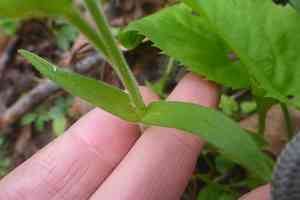
Nodding chickweed flourishes when relocated during the revitalizing period of early spring or the tranquil shift of early to mid-autumn. Select a spot that receives ample sunlight to partial shade, featuring soil that drains effectively. Successful planting minimizes the stress of transplantation.
What Preparations are Needed Before Transplanting Nodding Chickweed?
What is the Ideal Time for Transplanting Nodding Chickweed?
The best times for moving nodding chickweed are early spring and from early fall to mid-fall. These periods offer mild temperatures and adequate moisture, encouraging strong root development. Transplanting at these times ensures nodding chickweed benefits from cool weather before summer heat or winter cold, greatly improving its survival and growth.
How Much Space Should You Leave Between Nodding Chickweed Plants?
Ensure each nodding chickweed plant is spaced 12-18 inches (30-45 cm) apart. This spacing provides ample room for growth and guarantees good air circulation, lowering disease risk.
What is the Best Soil Mix for Nodding Chickweed Transplanting?
Prepare a well-draining soil, ideally a sandy loam. Mix in a balanced base fertilizer, such as a 10-10-10 (N-P-K), to support vigorous growth.
Where Should You Relocate Your Nodding Chickweed?
Find a location where nodding chickweed will receive full sun to partial shade. This ensures they get the appropriate amount of light for optimal development.
What Equipments Should You Prepare Before Transplantation Nodding Chickweed?
Gardening Gloves
To safeguard your hands while handling soil and plants.
Shovel or Spade
For digging the perimeter around the plant and lifting it from the ground.
Trowel
Useful for extracting smaller plants from containers or seedling trays.
Watering Can or Hose
To hydrate the plant before and after its relocation.
Garden Fork
Helpful for loosening the soil prior to planting nodding chickweed in its new spot.
Compost or Organic Matter
To enrich the soil at the new transplant site.
How Do You Remove Nodding Chickweed from the Soil?
How Do You Remove Nodding Chickweed from the Soil?
From Ground: First, moisten the nodding chickweed plant by watering the soil. Next, use a shovel or spade to dig a wide trench around the plant, making sure the root ball stays intact. Carefully work the spade beneath the root ball to lift the plant from its original position.From Pot: Water the nodding chickweed plant thoroughly. Gently tilt the pot and tap its base to loosen the plant. Carefully extract the plant, holding it by the base to prevent stem damage.From Seedling Tray: Water the seedlings well. Use a trowel to gently lift each seedling, ensuring you scoop up as much of the root system as possible. Be careful not to harm the delicate roots.
Step-by-Step Guide for Transplanting Nodding Chickweed
Site Selection
Choose an appropriate location with the correct light and space requirements for nodding chickweed to thrive.
Prepare the Soil
Loosen the soil in the new spot with a garden fork and mix in compost or organic matter to boost soil fertility.
Dig Planting Hole
Excavate a hole that is twice as wide and as deep as the root ball of your nodding chickweed plant.
Transplanting
Place nodding chickweed in the hole. Ensure the top of the root ball is level with the surrounding soil. Backfill the hole with soil, gently pressing around the base to remove air pockets.
Watering
Immediately water the newly transplanted nodding chickweed thoroughly to help it settle in its new location.
How Do You Care For Nodding Chickweed After Transplanting?
Watering
Keep the soil around nodding chickweed consistently moist, but not waterlogged, for the initial weeks post-transplant to aid in strong root development.
Mulching
Apply a layer of mulch around the base of nodding chickweed to help retain moisture and stabilize soil temperature.
Monitoring
Regularly check for any indications of stress or transplant shock, such as wilting or discoloration, and address issues promptly.
Support
If necessary, provide stakes or supports to help your nodding chickweed plants remain upright as they establish in their new location.
Troubleshooting Common Issues with Nodding Chickweed Transplantation.
When is the best time to transplant nodding chickweed?
The ideal periods are early spring or from early fall to mid-fall for transplanting nodding chickweed.
What spacing should I follow when transplanting nodding chickweed?
Maintain a spacing of 12-18 inches (30-45 cm) between nodding chickweed plants for optimal growth.
How deep should I transplant nodding chickweed?
Plant nodding chickweed just as deep as they were in their previous growing environment to avoid stress.
How do I prepare the soil for transplanting nodding chickweed?
Ensure the soil is well-draining and rich in organic matter for healthy nodding chickweed growth.
How often should I water nodding chickweed after transplanting?
Water nodding chickweed thoroughly after transplanting, and keep soil consistently moist but not waterlogged.
What should I do if nodding chickweed wilts after transplanting?
Check soil moisture levels and ensure proper watering to prevent nodding chickweed from wilting post-transplant.
What temperature range is ideal for transplanting nodding chickweed?
Transplant nodding chickweed when the temperature is between 55-70°F (12-21°C) for best success.
How can I protect nodding chickweed from transplant shock?
Acclimate nodding chickweed to the new environment gradually and avoid transplanting on extremely hot days.
Should I fertilize nodding chickweed after transplanting?
Use a balanced, slow-release fertilizer sparingly after transplanting nodding chickweed to encourage root establishment.
How do I know if nodding chickweed is established after transplanting?
Nodding chickweed is established when new growth appears and the plant seems securely rooted in the soil.



