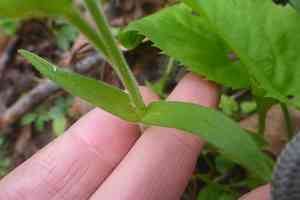
Nodding chickweed (Cerastium nutans)
Also known as: Nodding Chickweed
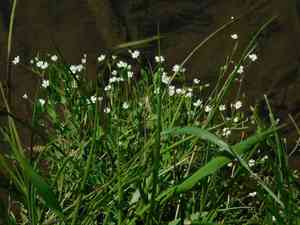
Nodding chickweed is a hardy perennial herb notable for its small, white, spring-blooming flowers that tend to nod or droop. Its silver-green, hairy leaves help reduce water loss and protect against harsh environmental conditions. The plant grows in clumps with trailing stems that root at the nodes, which aids in soil stabilization and efficient spread in rocky or sandy terrains.
In This Article
Attributes of Nodding chickweed
Lifespan
Annual, Perennial
Plant Type
Herb
Plant Height
10 cm to 51 cm
Spread
N/A
Leaf Color
Green
Flower Size
0.5 to 1 cm
Flower Color
White
Images of Nodding chickweed
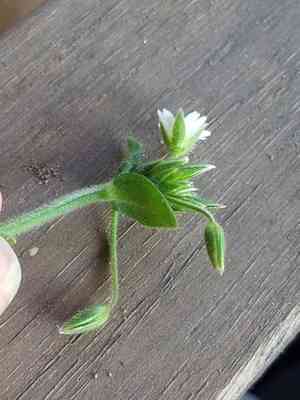
Quickly Identify Nodding chickweed
1
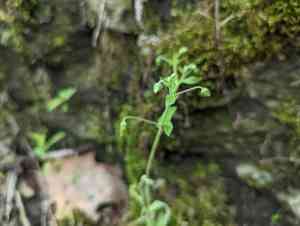
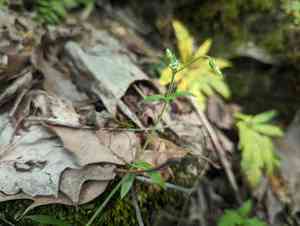
This plant can be identified by its nodding white flowers, which are small and star-shaped with five petals. The leaves are opposite, lance-shaped, and covered with fine hairs. Additionally, the stems are slender and also covered with fine hairs.
Scientific Classification of Nodding chickweed
Phylum
Vascular plants
Class
Dicotyledons
Order
Caryophyllales
Family
Pink
Genus
Mouse-ear chickweed
Species
Nodding chickweed
Planting and Growing of Nodding chickweed
Care Difficulty
Easy
Watering Schedule
Every 3 days
Sunlight Requirements
Partial sun
Sunshine Duration
4-6 hours
Ideal Temperature
65-75℉
Soil Type
Potting Mix, Peat Mix
Soil pH
6.5-7.5
Fertilizer Type
Balanced
Pruning Season
Spring, Summer
Pruning Area
Branches, Leaves
Pruning Frequency
Once a year
Repotting Season
Spring
Pot Type
Plastic, Terracotta
 How to Water Nodding chickweed?
For Cerastium nutans, ensure that each watering deeply permeates the soil. Use approximately 150ml of water, thoroughly soaking the soil until you notice excess water beginning to escape from the drainage holes. Avoid letting the plant sit in water to prevent root rot, but ensure the soil is adequately moistened to support healthy growth.
What are the symptoms of an underwatered Nodding chickweed?
›
What should I do if my Nodding chickweed is not getting enough water?
›
What are the symptoms of an overwatered Nodding chickweed?
›
How to save an overwatered Nodding chickweed?
›
 What Are the Sunlight Requirements for Nodding chickweed?
Partial sun provides Cerastium nutans with an optimal balance, encouraging blooming and maintaining vibrant leaves, essential for its lifecycle and ornamental appeal.
What type of light does Cerastium nutans prefer?
›
How can I provide the ideal light conditions indoors?
›
Why is ideal lighting important for Cerastium nutans?
›
 What Is the Ideal Temperature Range for Nodding chickweed?
Cerastium nutans thrives best in temperatures between 65-75°F. This range ensures that the plant's metabolic processes function optimally, promoting robust growth and flowering. Maintaining the temperature within this range helps the plant efficiently utilize nutrients and resources, resulting in healthy foliage and blooms.
 What Soil is Best for Nodding chickweed?
Cerastium nutans thrives in well-drained soils. Good drainage prevents root rot by ensuring excess water flows away from the roots, thus keeping the plant healthy and vigorous. This plant prefers soils with moderate fertility, rich in organic matter. Organic content provides essential nutrients for growth, enhancing the plant's ability to flower and develop lush foliage. Steady soil moisture is crucial for Cerastium nutans. While it can endure short dry spells, consistent moisture helps maintain optimal growth and prevents dehydration stress, which could impair flowering.
 How to Fertilize Nodding chickweed?
When fertilizing Cerastium nutans, use a balanced fertilizer at half the strength recommended on the package. This plant does not have heavy nutrient requirements, so over-fertilizing can do more harm than good.
 How to Prune Nodding chickweed?
Start by inspecting the plant for any dead or damaged stems. Cut these back to the base or to a healthy leaf node to encourage new growth. To keep your Cerastium nutans looking neat and tidy, prune any wayward stems that disrupt the natural mound shape. Trim back to a leaf junction for a cleaner appearance. Regularly remove spent flowers to prevent self-seeding and encourage more blooms. Deadheading boosts the plant’s energy reserves and prolongs the blooming period.
More About Pruning Techniques→
 How to Propagate Nodding chickweed plant?
1
Collect seeds from mature Cerastium nutans plants in the late spring. Ensure seeds are dry and clean them to avoid fungal infections. Store properly if not sowing immediately.
2
Prepare a seed-starting mix or use a well-draining soil mix to promote healthy seedling growth. Soil should be moist but not waterlogged to prevent seed rot.
3
Sow seeds shallowly, covering them lightly with soil. Maintain consistent moisture levels and provide indirect sunlight to help with seed germination.
 How to Repot Nodding chickweed plant?
1
One of the clearest signs that Cerastium nutans needs repotting is when you see roots emerging from the drainage holes of the pot. Another indication is when the plant is too top-heavy or shows stunted growth. Ideally, repot during spring or autumn for optimal adaptation.
2
When selecting a pot for Cerastium nutans, ensure it's slightly larger than the current one to allow for growth. Terracotta pots are ideal as they allow the soil to breathe, preventing waterlogging. Make sure it has adequate drainage holes for healthy root development.
3
Opt for a well-draining, loamy soil mixture which retains some moisture but does not remain soggy. Such soil promotes healthy root growth and prevents root rot. Adding some perlite or sand can enhance drainage, ensuring the best environment for your plant.



