How to Propagate Nodding chickweed?
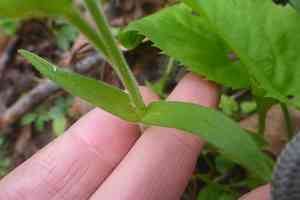
Cerastium nutans, a species within the Caryophyllaceae family, primarily reproduces via seeding. To achieve thriving development, it is recommended to prioritize soil with good drainage, adequate hydration, and a location receiving full sunlight to partial obscurity. Guaranteeing that the seeds are planted superficially will foster ideal conditions for sprouting. Consistent observation and careful tending can result in vigorous and sturdy development.
Optimal Time for Nodding Chickweed Propagation
Propagation Method
Sowing seeds
Propagation Period
Spring
Essential Tools for Nodding Chickweed Propagation
Seed trays
Seed trays are vital for efficiently starting nodding chickweed from seeds. They aid in organizing seed placement and should be filled with a suitable seed-starting mix, ensuring good aeration and drainageâkey elements for nodding chickweed germination. These trays also facilitate managing multiple seeds simultaneously, allowing individual care and monitoring during the delicate germination phase.
Fine mist spray bottle
A fine mist spray bottle provides gentle watering that prevents dislodging or burying the tiny nodding chickweed seeds. This tool helps maintain necessary moisture levels around the seeds without causing waterlogging or soil erosion, both of which can harm nodding chickweed's germination and initial growth.
Peat pots
Peat pots offer a biodegradable container for each nodding chickweed seedling, simplifying transplantation. Their benefit for nodding chickweed lies in minimizing root disturbance during transplanting, crucial for successful seedling establishment. Peat pots can be planted directly into the soil, where they naturally decompose, allowing nodding chickweed roots to spread freely.
Labeling sticks and waterproof marker
Labeling sticks, paired with a waterproof marker, are essential for tracking nodding chickweed's growth and variety in its early stages. This tool is critical for organizing and identifying different seedling groups, especially when propagating multiple batches or varieties of nodding chickweed. Accurate labeling helps monitor plant health and development, ensuring appropriate care and adjustments for each group's specific needs.
Grow lights (if indoors)
Grow lights are useful for propagating nodding chickweed in low natural light conditions, such as indoors or during seasons with limited daylight. These lights provide the necessary spectrum to support photosynthesis and overall growth of nodding chickweed seedlings. Grow lights also promote healthier, more robust growth by ensuring consistent light exposure, mimicking ideal developmental conditions.
How to Propagate Nodding Chickweed?
Propagation Difficulty
Simple
Caring for Your Newly Propagated Nodding Chickweed
Caring for Your Newly Propagated Nodding Chickweed
After transplanting, keep the soil consistently moist but avoid saturation. Nodding chickweed thrives in partial shade to full sun; ensure they receive adequate light without prolonged exposure to harsh, direct sunlight. Regularly inspect for pests and diseases, and remove any dead or damaged foliage to encourage healthy growth. Mulching can help retain soil moisture and reduce weed competition.
Common Errors to Avoid When Propagating Nodding Chickweed
Overwatering
Excessive watering of nodding chickweed can lead to root rot and fungal issues, significantly hindering its growth and post-propagation establishment.
Deep planting
Planting nodding chickweed seeds or cuttings too deeply can impede proper germination and rooting, as nodding chickweed requires light for optimal growth and may not emerge correctly from deep soil.
Ignoring weeds
Allowing weeds to grow near propagated nodding chickweed can impede its development by competing for nutrients, light, and space, which are vital for nodding chickweed's successful establishment.
Tips For Propagating Nodding Chickweed
Light control
Ensure nodding chickweed receives sufficient light, especially when propagating via seeds, as light is a critical factor for nodding chickweed's germination process.
Moisture management
Maintain consistent soil moisture without waterlogging, as nodding chickweed requires a well-drained environment to flourish, and excessive water can cause problems like root rot.
Regular weeding
Keep the area around nodding chickweed free of weeds to foster better growth conditions by reducing resource competition and minimizing pest and disease transmission risks.



