How to Transplant Spreading sneezeweed?
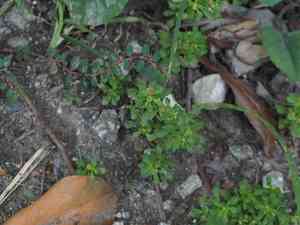
Relocate spreading sneezeweed during the pleasant period from mid-spring through early summer, when the ground is warm and temperatures are moderate. Select a location offering adequate drainage and diffused illumination. If required, preserve the root ball to facilitate adaptation.
What Preparations are Needed Before Transplanting Spreading Sneezeweed?
What is the Ideal Time for Transplanting Spreading Sneezeweed?
The perfect time to move spreading sneezeweed is when spring's warmth transitions into the gentle start of summer. This period offers moderate temperatures and consistent rainfall, creating an optimal setting for spreading sneezeweed to develop strong roots and thrive. Transplanting during this window gives spreading sneezeweed the best chance for a smooth adjustment, leading to a longer flowering season and a vibrant display.
How Much Space Should You Leave Between Spreading Sneezeweed Plants?
When preparing to transplant your spreading sneezeweed, remember that providing ample room for growth is crucial. Aim to position them approximately 4-6 inches (10-15 cm) apart. This spacing allows for adequate development while maintaining enough closeness to form a continuous, lush appearance.
What is the Best Soil Mix for Spreading Sneezeweed Transplanting?
For your spreading sneezeweed, prepare the soil by selecting a type that drains effectively. A good loamy or sandy soil would be excellent! Before planting, enrich the area with a balanced, slow-release fertilizer to give your spreading sneezeweed a nourishing start. Consider it like preparing a healthy meal for a friend!
Where Should You Relocate Your Spreading Sneezeweed?
Your spreading sneezeweed will flourish in a location that receives abundant sunlight. Aim for a spot that gets full to partial sun exposure. This means about 6-8 hours of sunlight daily, which will help your spreading sneezeweed grow vigorously and bloom beautifully. It's like choosing a bright spot to enjoy your favorite book!
What Equipments Should You Prepare Before Transplantation Spreading Sneezeweed?
Gardening Gloves
To safeguard your hands while handling soil and plants.
Shovel or Trowel
For excavating the plant and creating a new planting site.
Watering Can or Hose
To hydrate the plant before and after its relocation.
Pruning Shears
For trimming any damaged root structures or foliage.
Wheelbarrow or Plant Carrying Tray
To move the plant if it's too large or heavy to carry by hand.
Measuring Tape
To assist in spacing out planting locations when moving multiple plants.
How Do You Remove Spreading Sneezeweed from the Soil?
How Do You Remove Spreading Sneezeweed from the Soil?
From Ground: First, moisten the spreading sneezeweed plant to soften the soil. Then, dig a wide trench around the plant using a shovel or spade, ensuring the plant's root ball remains intact. Carefully work the spade beneath the root ball to lift the plant from its original spot.From Pot: Hydrate the spreading sneezeweed plant, then turn the container sideways and tap the edges to loosen the soil. Grasp the base of the plant and pull gently; if it doesn't slide out easily, insert a trowel around the inner pot rim to aid detachment.From Seedling Tray: Water the seedlings initially. Press from the bottom of a cell to elevate the seedling. Support the seedling by its leaves, not its stem, and gently extract it from the cell, taking care not to harm the delicate roots.
Step-by-Step Guide for Transplanting Spreading Sneezeweed
Preparation
Before extracting spreading sneezeweed from its current spot, ensure the new planting site is ready by digging a hole twice as wide as the root ball but no deeper.
Root Inspection
Examine the root ball of spreading sneezeweed once it's removed from the ground, pot, or seedling tray. Trim any damaged roots with pruning shears to promote healthy development.
Placing The Plant
Position spreading sneezeweed into the center of the new hole, making sure the top of the root ball is level with the surrounding ground. Fill in around the root ball with soil, gently patting it down to eliminate air pockets.
Initial Watering
Water spreading sneezeweed thoroughly after planting it to settle the soil around the roots and provide essential moisture.
Support
If spreading sneezeweed appears somewhat unstable or has an elongated stem, you might need to add a stake for support. Secure the plant to the stake loosely with garden twine.
How Do You Care For Spreading Sneezeweed After Transplanting?
Initial Care
Regularly check the soil moisture around spreading sneezeweed. The soil should be kept moist but never waterlogged to help minimize transplant shock.
Mulching
Apply a layer of mulch around spreading sneezeweed to help retain soil moisture and stabilize ground temperature.
Observation
Watch for signs of stress such as wilting or yellowing leaves, and intervene if necessary, such as adjusting watering frequency.
Gentle Fertilization
After spreading sneezeweed has settled for a few weeks and new growth emerges, consider applying a mild fertilizer according to product directions.
Troubleshooting Common Issues with Spreading Sneezeweed Transplantation.
When is the best time to transplant spreading sneezeweed?
Late spring through early summer provides optimal conditions for relocating spreading sneezeweed, ensuring milder temperatures and consistent growth.
How far apart should I space spreading sneezeweed when transplanting?
Maintain a spacing of about 4-6 inches (10-15 cm) between spreading sneezeweed plants to allow sufficient room for growth and air circulation.
What if spreading sneezeweed's leaves wilt after transplanting?
Wilting can indicate shock. Ensure adequate watering, avoid direct sunlight for a few days, and provide shade if needed.
Why are spreading sneezeweed's roots rotting after transplanting?
Root rot typically results from overwatering or poor drainage. Check soil moisture before irrigating and improve drainage if necessary.
What should I do if spreading sneezeweed isn't thriving post-transplant?
Verify that spreading sneezeweed receives appropriate light, water, and nutrients. Additionally, confirm that the soil pH is suitable for spreading sneezeweed.
How deep should I plant spreading sneezeweed's roots?
Transplant spreading sneezeweed so that the root ball is flush with the soil surface. Planting too deep or shallow can stress the plant.
Can I transplant spreading sneezeweed in hot weather?
It's advisable to avoid transplanting spreading sneezeweed during high temperatures. If unavoidable, do so in the evening and provide extra water and shade.
What kind of soil does spreading sneezeweed prefer?
The spreading sneezeweed thrives in well-draining soil enriched with organic matter. Ensure the soil is not too heavy or clay-like for better root development.
How much should I water spreading sneezeweed after transplanting?
After transplanting, water spreading sneezeweed generously to settle the soil. Then, adopt a regular watering schedule, allowing the soil to dry slightly between waterings.
If spreading sneezeweed is leggy after transplanting, what should I do?
Legginess may occur due to insufficient light or overcrowding. Ensure spreading sneezeweed receives enough sunlight and thin plants if necessary.



