How to Prune Spreading sneezeweed?
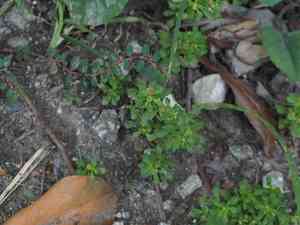
A perennial herbaceous plant recognized for its sprawling habit and allergenic qualities, spreading sneezeweed thrives with consistent trimming. Essential methods involve cutting back deceased or excessively long stems and detaching spent blossoms to foster a denser form. The most opportune times for pruning are in spring to stimulate fresh development, throughout summer to preserve its contour, and in autumn to ready it for its dormant phase. Trimming not only improves spreading sneezeweed's aesthetic appeal but also contributes to more robust and energetic specimens.
What Are the Benefits of Pruning Spreading Sneezeweed?
What Are the Benefits of Pruning Spreading Sneezeweed?
Trimming spreading sneezeweed ensures the plant stays robust and well-formed. Consistent cutting promotes fresh growth, maintains an attractive shape, and prevents excessive growth that can cause poor air circulation and increased vulnerability to disease.
What Is the Best Time for Pruning Spreading Sneezeweed?
What Is the Best Time for Pruning Spreading Sneezeweed?
Pruning in early Spring encourages spreading sneezeweed's new development by eliminating dead or wintered foliage, allowing for a healthier start to the growing season. Early Summer pruning can help shape the plant and manage its spread. In early Fall, the objective is to remove faded blooms and neaten the plant after the growing season, without stimulating new growth that might be harmed by winter frosts. These periods avoid the plant's active growth and blooming phases, and permit healing before the stresses of extreme weather.
What Tools Do I Need to Prune Spreading Sneezeweed?
Bypass Pruners
Perfect for making accurate, clean cuts on spreading sneezeweed's softer green stems without causing unnecessary harm to the plant tissues.
Garden Scissors
Useful for trimming and shaping spreading sneezeweed's delicate leaves, allowing for careful handling and preservation of the plant's form.
Pruning Shears
Suitable for removing any dead or damaged parts of spreading sneezeweed without affecting nearby stems, crucial for healthy growth and maintaining the desired plant shape.
How to Prune Spreading Sneezeweed
Identify withered leaves
Examine spreading sneezeweed to locate all shriveled or yellowed leaves, which indicate they are dead or dying and should be removed for the plant's well-being.
Disinfect tools
Before starting the pruning process, clean and sanitize your pruning shears or scissors to prevent the spread of disease to spreading sneezeweed.
Cut withered leaves
With your sterilized tool, carefully snip off the withered leaves at their base, taking care to avoid damaging adjacent healthy leaves and stems of spreading sneezeweed.
Dispose trimmed leaves
Gather the withered leaves and discard them properly, as they can harbor pests or diseases that might be detrimental to spreading sneezeweed or other plants if left in the garden.
Monitor plant health
After pruning, observe spreading sneezeweed for new growth and signs of stress. Regular inspection aids in maintaining the plant's health and noticing any further need for trimming.
Common Pruning Mistakes with Spreading Sneezeweed
Over-pruning
Removing too much foliage from spreading sneezeweed at once can stress the plant, leading to stunted development or a weakened state that makes it more vulnerable to pests and diseases.
Improper Tool Use
Using dull or dirty tools can harm spreading sneezeweed's stems, leading to jagged cuts that are more susceptible to infection.
Neglecting Deadhead
Failing to regularly remove spent flowers from spreading sneezeweed can result in fewer blooms and a less tidy appearance.
Ignoring Plant Shape
Pruning without considering spreading sneezeweed's natural growth habit can result in an unnatural look and may harm the plant's overall health.
Common Pruning Tips for Spreading Sneezeweed
Selective Cutting
Focus on removing only the dead and weak stems to ensure that spreading sneezeweed maintains a healthy shape and vigor.
Tool Hygiene
Clean and sharpen pruning tools before use to make precise cuts that heal quickly, reducing the risk of disease.
Consistency
Perform regular maintenance pruning on spreading sneezeweed to remove spent flowers and encourage new growth, rather than waiting for overgrowth, which can be more challenging to manage.
Gentle Approach
Since spreading sneezeweed is not a large or woody plant, use a gentle touch and smaller, precise tools like scissors or hand pruners for the best results.



