How to Transplant Wig knapweed?
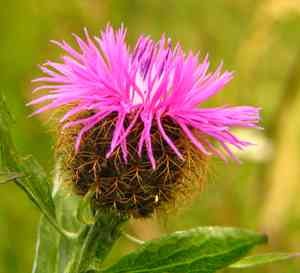
Relocate wig knapweed between the onset of early spring and the beginning of summer; this period facilitates strong root development. Select a bright location featuring soil that drains effectively, and carefully position the roots to promote successful adaptation.
What Preparations are Needed Before Transplanting Wig Knapweed?
What is the Ideal Time for Transplanting Wig Knapweed?
For wig knapweed, the optimal period for relocating them spans from the end of frost until the beginning of summer. Moving wig knapweed during this timeframe takes advantage of naturally moist soil and moderate temperatures, which are perfect for root establishment and minimizing stress. Following this timely advice not only eases wig knapweed's transition to their new environment but also promotes strong growth and future vitality.
How Much Space Should You Leave Between Wig Knapweed Plants?
Hello budding gardener! To give your wig knapweed the right start, space them out about 18-24 inches (45-60 cm) apart. This will ensure they have ample room to flourish and reach their full, beautiful potential.
What is the Best Soil Mix for Wig Knapweed Transplanting?
For wig knapweed, you'll want to prepare a cozy bed. Choose well-draining soil, enriched with organic compost to nourish them. Adding a balanced, slow-release fertilizer will give them the steady diet they crave to grow strong and healthy.
Where Should You Relocate Your Wig Knapweed?
These lovely wig knapweed adore the sunshine! Select a spot in your garden that gets full to partial sun â at least 6 hours of direct sunlight a day. This will help your wig knapweed thrive and shower you with their best blooms.
What Equipments Should You Prepare Before Transplantation Wig Knapweed?
Gardening Gloves
To protect your hands while working with the soil and plant.
Spade or Shovel
To dig around and under the wig knapweed for removal, as well as preparing the new site.
Watering Can
To water the wig knapweed before and after transplanting to reduce shock and promote root growth.
Trowel
For precise digging and transplanting, especially when working with smaller plants or tighter spaces.
Root Pruning Shears
To prune any damaged or overly long roots before transplanting.
Wheelbarrow
To transport the wig knapweed and any required soil or compost.
Mulch
To apply around the transplanted wig knapweed to maintain moisture and regulate soil temperature.
How Do You Remove Wig Knapweed from the Soil?
How Do You Remove Wig Knapweed from the Soil?
From Ground: First, water the wig knapweed plant to dampen the soil and ease the removal process. Use a shovel or spade to dig a generous trench around the plant, carefully preserving the root ball. Gently slide the spade beneath the root ball to lift the wig knapweed from its original spot.From Pot: Water the plant thoroughly. Tip the pot sideways and tap or press gently on its sides to loosen the soil's grip. Slide the wig knapweed out, supporting the root ball with your other hand to avoid damage.From Seedling Tray: Moisten the soil to facilitate an easy transition. Gently separate individual wig knapweed seedlings by carefully teasing roots apart if entangled, and lift each plant by its root ball or leaves.
Step-by-Step Guide for Transplanting Wig Knapweed
Prepare the New Site
Dig a hole in the new location approximately twice the width of the wig knapweed's root ball and to the same depth as it was previously growing.
Inspect the Roots
Before planting, inspect the root system of the wig knapweed. Trim any broken or excessively long roots to encourage new growth.
Position the wig knapweed
Place the wig knapweed in the center of the newly dug hole. The top of the root ball should be level with the surrounding ground.
Refill the Hole
Backfill the hole around the wig knapweed with removed soil, gently firming the soil around the root ball to eliminate air pockets.
Water Thoroughly
Water the wig knapweed gently to settle the soil and provide hydration. This also helps eliminate any remaining air pockets.
Mulch
Apply a layer of mulch around the wig knapweed to conserve moisture and reduce weed competition, being careful to leave some space around the stem.
How Do You Care For Wig Knapweed After Transplanting?
Regular Watering
Ensure the soil stays consistently moist to encourage the wig knapweed to establish its roots in the new location.
Monitoring
Keep an eye on the wig knapweed for the first few weeks, looking out for signs of transplant shock such as leaf wilting or discoloration.
Pruning
Trim away any damaged or dead leaves or stems to redirect the wig knapweed's energy towards establishing new growth.
Staking
If the wig knapweed appears unstable, use plant stakes to support it until it is strong enough to stand on its own.
Protection
In extreme weather, such as intense heat or frost, provide temporary protection to the wig knapweed to ensure its successful establishment.
Troubleshooting Common Issues with Wig Knapweed Transplantation.
What's the ideal time to transplant wig knapweed?
The sweet spot for transplanting wig knapweed is during the gentle warmth of early to late spring.
How far apart should I space wig knapweed when transplanting?
When you settle wig knapweed in their new home, allow them a generous berth of 18-24 inches (45-60 cm).
Why is my wig knapweed wilting after transplanting?
Wilting could be due to transplant shock; ensure gentle handling, adequate water, and no root disturbance.
Can I transplant wig knapweed in the summer?
It's best to avoid the heat stress of summer; spring's milder days are far more ideal for wig knapweed.
What soil type is best when transplanting wig knapweed?
Bless your wig knapweed with well-draining, fertile soil and they'll thank you with thriving growth.
How deep should I plant wig knapweed during transplanting?
Mirror the depth wig knapweed enjoyed in their previous pot or location â not too deep, not too shallow.
Should I water wig knapweed immediately after transplanting?
Absolutely! A loving drink helps wig knapweed settle in and reduces the trauma of moving.
Can I transplant wig knapweed on a windy day?
Winds can be harsh on delicate wig knapweed. Choose a calm day to give them a gentler transition.
What if wig knapweed leaves turn yellow post-transplant?
Yellow leaves can flag overwatering or a nutrient need. Check moisture levels and consider a mild fertilizer.
How do I protect transplanted wig knapweed from frost?
Guard your newly transplanted wig knapweed with mulch or frost cloth if an unexpected chill visits.



