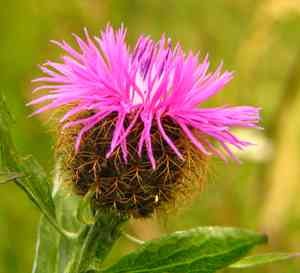
Wig knapweed (Centaurea phrygia)
Also known as: Phrygian Knapweed
The name "wig knapweed" is derived from the look of its unopened flower buds, which resemble hairy heads or wigs. Once they bloom, the plant reveals striking pinkish-purple flowers with numerous long, feathery petals.
In This Article
Attributes of Wig knapweed
Lifespan
Perennial
Plant Type
Herb
Plant Height
30 cm to 80 cm
Spread
30 cm
Leaf Color
Green
Flower Size
3 cm to 4.5 cm
Flower Color
Red Purple
Images of Wig knapweed
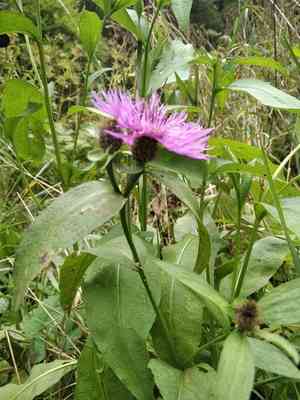
Quickly Identify Wig knapweed
1
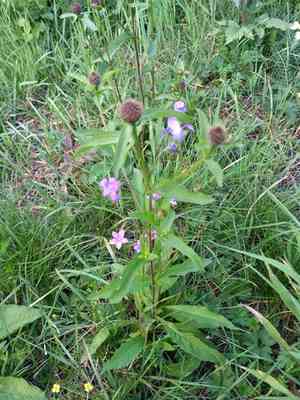
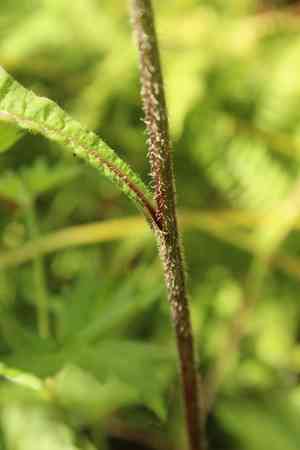
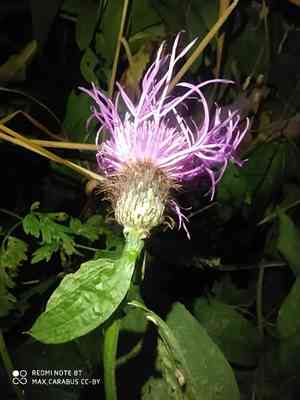
Centaurea phrygia can be identified by its large, bright purple flower heads, which are fringed and have a thistle-like appearance. The leaves are lance-shaped and the stems are hairy and rigid.
Scientific Classification of Wig knapweed
Phylum
Vascular plants
Class
Dicotyledons
Order
Asterales
Family
Daisy
Genus
Centaury
Species
Wig knapweed
Planting and Growing of Wig knapweed
Care Difficulty
Easy
Watering Schedule
Every 2 days
Sunlight Requirements
Partial sun
Sunshine Duration
4-8 hours
Ideal Temperature
65-75℉
Soil Type
Potting Mix, Peat Mix
Soil pH
6.5-7.5
Fertilizer Type
Balanced
Pruning Season
Spring, Summer
Pruning Area
Branches, Leaves
Pruning Frequency
Once a year
Repotting Season
Spring
Pot Type
Plastic, Terracotta
 How to Water Wig knapweed?
Centaurea phrygia typically requires around 500 ml of water per session. The key is to ensure the soil is moist but not waterlogged. This plant prefers a well-draining soil that allows excess water to escape, preventing the roots from becoming too saturated.
What are the symptoms of an underwatered Wig knapweed?
›
What should I do if my Wig knapweed is not getting enough water?
›
What are the symptoms of an overwatered Wig knapweed?
›
How to save an overwatered Wig knapweed?
›
 What Are the Sunlight Requirements for Wig knapweed?
Centaurea phrygia thrives best in partial sunlight, ideally receiving 4 to 6 hours of sunlight daily. This balanced exposure helps maintain vibrant blooms and healthy foliage while preventing potential light-related damage, encouraging robust growth.
More About Sunlight Requirements Techniques→
Achieve Ideal Lighting
›
Steps to Ensure Ideal Lighting
›
Benefits of Ideal Lighting
›
 What Is the Ideal Temperature Range for Wig knapweed?
The ideal temperature range for Centaurea phrygia cultivation is between 65°F to 75°F. Maintaining this temperature ensures optimal growth and vibrant blooms. In these conditions, the plant can photosynthesize efficiently and maintain a healthy structure. This temperature range also helps in preventing stress in the plant, thereby supporting sustained development and resilience against pests and diseases.
 What Soil is Best for Wig knapweed?
Centaurea phrygia thrives best in well-draining soil to prevent waterlogging, which can lead to root rot. Such soil allows for optimal root aeration and nutrient absorption, ensuring robust growth and vibrant blooms. While it needs drainage, the soil should also retain enough moisture to support continuous growth. A loamy mix balances this need, holding essential moisture while allowing excess water to escape, which minimizes root stress. A rich organic soil bolsters plant health by providing a steady nutrient supply. Incorporating compost or aged manure into the soil enriches it, fostering healthy blooms and lush foliage by enhancing nutrient content.
 How to Fertilize Wig knapweed?
For Centaurea phrygia, a balanced fertilizer mix is recommended, applying at a moderate rate. Use approximately half the strength of a standard all-purpose plant food per application to avoid nutrient overload.
 How to Prune Wig knapweed?
Start by identifying any dead or damaged stems on your Centaurea phrygia. Prune these back to the base or to healthy, strong-looking shoots to encourage rejuvenation and vitality. Trim the plant to maintain its desired shape and prevent it from sprawling. Cut back any excessively long stems in a fashion that maintains a natural shape, promoting a tidy and attractive appearance. To promote bushier and denser growth, pinch back the tips of young shoots. This encourages lateral branching, offering a fuller and more robust plant structure over time.
More About Pruning Techniques→
 How to Propagate Wig knapweed plant?
1
Harvest seeds from mature Centaurea phrygia plants after the flowering period. Ensure the seeds are fully developed and dried before storing or immediately sowing them in prepared soil.
2
Prepare well-draining soil with a mix of sand and organic material. This ensures adequate aeration and nutrient supply for seedlings or divided plants.
3
Carefully dig up the plant and use a knife or hands to divide the root clump into sections, each with a couple of stems. This stimulates vigorous growth when replanted.
 How to Repot Wig knapweed plant?
1
Observe for signs like roots coming out of drainage holes, soil becoming too compact, or the plant becoming root-bound. These are indicators that your Centaurea phrygia needs more space and nutrients, signaling it's time to repot.
2
Select a pot that is one size larger and has adequate drainage holes. A pot too large can lead to excessive moisture and root rot. Proper drainage prevents waterlogged roots ensuring healthy growth.
3
Opt for a well-draining soil mix, ideally a mixture of peat, perlite, and sand. Such a composition allows roots to breathe, prevents waterlogging, and provides the essential nutrients for vigorous growth.
Learn More About Wig knapweed Diseases
Anthracnose
Bacterial Leaf Spot
Bacterial Wilt
Crown Gall
Cyst Nematode
Damping-off
Downy Mildew
Drought Stress
Fusarium Wilt
Gray Mold
Leaf Spot
Mosaic
Nutrient Deficiency
Nutrient Toxicity
Powdery Mildew
Root Rot
Root-knot Nematode
Rusts
Sooty Mold
Spider Mites
Temperature Stress
Thrips Damage
White Mold



