How to Prune Wig knapweed?
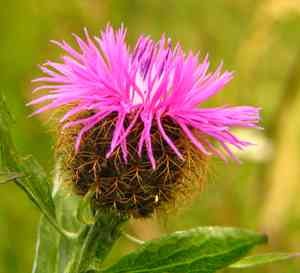
A robust herbaceous perennial featuring unique thistle-like blossoms, wig knapweed thrives with spent flower removal and trimming. Spring pruning fosters vigorous development and inhibits self-propagation. During the summer, eliminating faded flowers stimulates a subsequent bloom. Trimming ought to sustain air circulation to discourage fungal growth. Clipped matter can be composted if free from pests, thereby boosting the garden's ecological balance.
Advantages of Trimming Wig Knapweed
Advantages of Trimming Wig Knapweed
Trimming wig knapweed promotes robust development and preserves its desired form. By selectively removing portions of wig knapweed, gardeners can stimulate fresh growth and manage the plant's shape for a neat garden appearance.
Optimal Time for Pruning Wig Knapweed
Optimal Time for Pruning Wig Knapweed
Pruning in late spring coincides with wig knapweed's post-flowering period, enabling gardeners to remove faded blooms and maintain the plant's shape without disrupting its growth cycle. Early summer pruning ensures any potentially frost-damaged tissue is removed after the last frost, fostering healthier growth and improved plant vitality for the remainder of the growing season.
Tools Required for Pruning Wig Knapweed
Bypass Pruners
Perfect for making clean cuts on wig knapweed's thinner stems, promoting healthier regrowth.
Gloves
Offer protection from wig knapweed's potentially rough foliage during the trimming process.
Pruning Saw
Useful for cutting through thicker, woodier stems that bypass pruners cannot manage.
How to Prune Wig Knapweed
Sanitize tools
Before beginning, disinfect your pruning shears with isopropyl alcohol to prevent disease transmission while cutting wig knapweed.
Remove diseased leaves
Carefully snip off any diseased or discolored leaves from wig knapweed as close to the stem as possible without causing damage. Dispose of these leaves properly to prevent contamination.
Cut withered leaves
Identify and trim back any withered or dead leaves to the base of wig knapweed to encourage healthy growth and improve air circulation around the plant.
Trim diseased stems
Trim back any stems of wig knapweed that show signs of disease, cutting them down to a healthy section or to the plant's base, ensuring a clean cut at a 45-degree angle to aid healing.
Clean up
After pruning, clear away all removed plant material from around wig knapweed and dispose of it to reduce the chance of disease spreading.
Common Pruning Errors with Wig Knapweed
Excessive pruning
Removing too much foliage from wig knapweed can weaken the plant, impede its growth, and reduce its flowering capacity. It's crucial to limit pruning to dead or diseased stems and spent flowers, maintaining the plant's overall shape and structural integrity.
Dull tools
Using dull or unsanitary pruning tools can damage wig knapweed's stems, leaving jagged cuts that are susceptible to pests and diseases. Properly sharpened, clean tools are essential for clean cuts that heal quickly.
Incorrect cut placement
Improperly cutting into healthy tissue instead of just above a bud, leaf, or branching point can prevent wig knapweed from proper regrowth. It's important to make cuts in the right spot to promote healthy new growth.
Neglecting deadheading
Failing to deadhead, or remove spent flowers, can result in a less vigorous wig knapweed and fewer blooms. Deadheading encourages new growth and focuses the plant's energy on flower production.
Ignoring plant structure
Not considering the natural shape and growth pattern of wig knapweed when pruning can lead to an unnaturally shaped plant that may not flower optimally. Respecting the plant's form when pruning is essential.
General Pruning Advice for Wig Knapweed
Sanitized tools
Always use sanitized, sharp pruning shears or scissors to ensure clean cuts and minimize the risk of transmitting diseases to wig knapweed.
Dead and diseased
Regularly remove any dead or diseased stems to maintain wig knapweed's health and vigor. This helps to prevent the spread of disease and pest infestations.
Thin out
Thin out dense areas to improve air circulation within wig knapweed's foliage, which can reduce the risk of fungal diseases and encourage new growth.
Deadheading
Regularly deadhead wig knapweed by snipping off the spent flowers just above the next bud or leaf to encourage continuous blooming throughout the growing season.
Respect growth pattern
When pruning wig knapweed, observe the plant's natural growth habit and cut stems in a way that maintains its characteristic shape, ensuring it remains aesthetically pleasing and grows optimally.



