How to Transplant Iberian star-thistle?
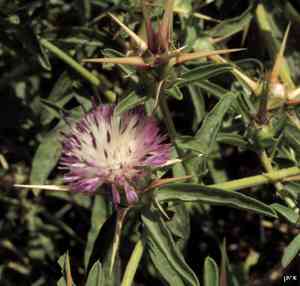
For Iberian star-thistle, the optimal time for relocation is from late winter's end to early summer's beginning, which guarantees vigorous development. Select a bright spot with soil that drains effectively, and only move the plant if its root system has become too restricted.
What Preparations are Needed Before Transplanting Iberian Star-thistle?
What is the Ideal Time for Transplanting Iberian Star-thistle?
Relocate iberian star-thistle as the ground thaws, signaling the start of the growing season. This period, bridging late winter's coolness with spring's gentle warmth, provides optimal soil conditions. Not too soon, to avoid frost damage, nor too late, to guarantee root establishment before summer. This timing gives iberian star-thistle a strong beginning, promoting vigorous development and resilience prior to peak summer heat. Rely on this favorable window, as it establishes the foundation for flourishing iberian star-thistle in your garden.
How Much Space Should You Leave Between Iberian Star-thistle Plants?
Firstly, allow your iberian star-thistle ample room to thrive by spacing them approximately 15-18 inches (38-46 cm) apart. This prevents competition for nutrients and sunlight, enabling each plant to develop robustly and healthily.
What is the Best Soil Mix for Iberian Star-thistle Transplanting?
Your iberian star-thistle will flourish in well-draining soil rich in organic matter. Before planting, incorporate a balanced, slow-release fertilizer to give your iberian star-thistle an excellent start. Remember, a thriving plant begins with its soil!
Where Should You Relocate Your Iberian Star-thistle?
Let's find a sunny location for your iberian star-thistle. They thrive in full sunlight, so select a spot where they will receive at least 6 hours of direct sun daily. The more sunlight, the happier your iberian star-thistle will be!
What Equipments Should You Prepare Before Transplantation Iberian Star-thistle?
Gardening Gloves
To safeguard your hands while handling soil and plants.
Shovel or Spade
For excavating the plant and preparing the new planting site.
Watering Can or Hose
To hydrate the plant before and after its relocation.
Garden Fork
To loosen compacted soil and aid in root separation if needed.
Wheelbarrow
For moving the iberian star-thistle if necessary.
Pruning Shears
To trim any damaged roots or foliage.
Mulch
To help maintain soil moisture around the newly transplanted iberian star-thistle.
Root Stimulator (optional)
To encourage new root growth in its new environment.
How Do You Remove Iberian Star-thistle from the Soil?
How Do You Remove Iberian Star-thistle from the Soil?
From Ground: Hydrate the iberian star-thistle to moisten the soil. Use a shovel or spade to dig a wide circle around the plant, ensuring to retain a substantial amount of soil around the root ball. Carefully slide the spade beneath the root ball to lift the plant from the ground.From Pot: Ensure the soil is damp and gently tap the pot's sides to loosen the soil from the edges. Tilt the pot sideways and guide the iberian star-thistle out by the base of its stems or leaves, not by the stem itself.From Seedling Tray: Water the soil to make it pliable. Use a garden fork or your fingers to carefully extract the iberian star-thistle seedlings, keeping as much soil as possible attached to the roots.
Step-by-Step Guide for Transplanting Iberian Star-thistle
Preparations
Don your gardening gloves for protection. Water the iberian star-thistle prior to beginning to make the soil more manageable and reduce root stress.
Digging
Excavate the new hole in the ground, making it twice as wide and the same depth as the root ball.
Removal
Follow the appropriate removal procedure for the iberian star-thistle depending on whether it's being moved from the ground, a pot, or a seedling tray.
Root Inspection
Examine the root ball for any damaged or circling roots and trim as needed using pruning shears.
Planting
Position the iberian star-thistle into the new hole, gently spreading out its roots. Ensure the plant is at the same level as it was in its previous spot.
Backfilling
Carefully refill the hole with native soil, lightly tamping it down to eliminate large air pockets.
Watering
Thoroughly water the transplanted iberian star-thistle to settle the soil around the roots and remove any remaining air pockets.
Mulching
Apply a layer of mulch around the base of iberian star-thistle to help retain soil moisture.
How Do You Care For Iberian Star-thistle After Transplanting?
Stabilizing
Provide support if needed with stakes or perimeter protection to shield the iberian star-thistle from strong winds.
Watering Schedule
Establish a consistent watering routine to keep the soil around iberian star-thistle continuously moist, allowing the plant to recover and settle.
Monitoring
Regularly inspect the iberian star-thistle for signs of transplant shock, such as wilting leaves or a lack of new growth, and adjust care as necessary.
Pruning
Remove any dead or damaged foliage to help iberian star-thistle direct its energy towards root development.
Root Stimulator
Consider adding a root stimulator to the watering regimen to encourage root growth and plant establishment.
Troubleshooting Common Issues with Iberian Star-thistle Transplantation.
What's the best time to transplant iberian star-thistle for successful establishment?
The ideal time to move iberian star-thistle is during the cooler temperatures of early-to-late spring, before summer's heat.
How far apart should I space iberian star-thistle when transplanting?
For robust growth, position iberian star-thistle 15-18 inches (38-46 cm) apart from each other.
What soil conditions favor iberian star-thistle when transplanting?
Iberian star-thistle thrives in well-draining soil. Amend with organic matter if necessary for optimal results.
How deep should I plant iberian star-thistle when transplanting?
The root ball should be flush with the soil surface, ensuring an appropriate planting depth.
Should I water iberian star-thistle immediately after transplanting?
Yes! Water gently to settle the soil around the roots and eliminate air pockets.
How do I protect iberian star-thistle from transplant shock?
Provide shade from intense sunlight and ensure consistent moisture to help iberian star-thistle recover from shock.
Can I transplant iberian star-thistle on a windy day?
Avoid windy days to prevent rapid drying. Calm, overcast conditions are best for transplanting.
How do I prepare iberian star-thistle's roots before transplanting?
Carefully untangle and spread the roots to encourage outward growth in the new location.
What should I do if iberian star-thistle's leaves wilt after transplanting?
Ensure adequate water and shade. Wilting is common but should improve with proper care.
How can I tell if iberian star-thistle is successfully transplanted?
New growth and resilient, perky foliage indicate successful transplantation of iberian star-thistle.



