The Iberian star-thistle Plant Advantage: Maximizing Home and Office Appeal and Wellness
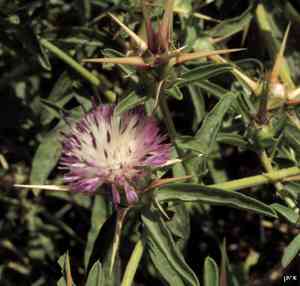
1
This plant flourishes in stony and disrupted ground, making it a hardy inclusion for your garden.
2
Its bright yellow blooms draw in numerous pollinators, such as bees and butterflies.
3
The root system aids in preventing soil degradation, supporting land preservation initiatives.
What Advantages Does Iberian Star-thistle Offer Your Garden?
Luring Pollinators
A key advantage of Iberian star-thistle is its capacity to draw in various pollinators. These include bees, butterflies, and other helpful insects. Its bright yellow blooms are not just visually pleasing but also provide abundant nectar, ensuring these vital visitors frequent your garden. By supporting these pollinators, you indirectly aid the prosperity of other garden plants.
Enhancing Soil Quality
The root system of Iberian star-thistle is especially effective at breaking up compacted earth, improving its texture and aeration. This encourages better water penetration and root development for nearby plants. Moreover, the plant contributes organic matter to the soil as it decays, enriching it with vital nutrients.
Ecological Benefits of Iberian Star-thistle
Preventing Soil Loss
Thanks to its deep and expansive root network, Iberian star-thistle plays a crucial role in preventing soil erosion. When planted in erosion-prone areas, such as slopes or disturbed ground, its roots firmly anchor the soil, thereby reducing topsoil depletion. This is particularly advantageous in regions experiencing heavy rainfall or strong winds, where soil erosion can be a major issue.
Supporting Biodiversity
By attracting a range of pollinators and other beneficial insects, Iberian star-thistle contributes to your garden's overall biodiversity. This, in turn, can lead to a healthier and more robust ecosystem. The plant offers habitat and food sources for wildlife, which can improve ecological balance and support diverse species.
A Hardy and Low-Maintenance Plant
Thriving in Difficult Conditions
Iberian star-thistle is particularly well-suited to flourish in challenging environments. It can grow in rocky, disturbed soils where many other plants would struggle to survive. Its hardiness makes it an excellent choice for gardeners dealing with less-than-ideal soil conditions. Additionally, Iberian star-thistle is drought-tolerant and can endure periods of low rainfall without significant impact on its growth or health.
Effortless Upkeep
Another notable characteristic of Iberian star-thistle is its minimal maintenance requirements. The plant needs little care once established, making it perfect for those desiring an attractive garden without intensive labor. Regular watering and occasional weeding are sufficient to maintain the plant's health and vigor. Its ability to grow in poor soil conditions further reduces the need for fertilizers and soil amendments.
Integrating Iberian Star-thistle into Your Garden
Planting Guidelines
When adding Iberian star-thistle to your garden, choose a sunny spot with well-drained soil. The plant prefers full sun but can tolerate some shade. Sow the seeds directly into the soil during early spring or late autumn. Space the seeds about 12 inches apart to allow for adequate growth. Water the newly planted seeds consistently until they are established.
Companion Planting Strategies
Iberian star-thistle pairs well with various other plants, enhancing your garden's beauty and vitality. Consider planting it alongside other native wildflowers, grasses, or shrubs to create a natural and harmonious landscape. It can also be used in pollinator gardens, rock gardens, or as ground cover in areas where soil erosion is a concern.



