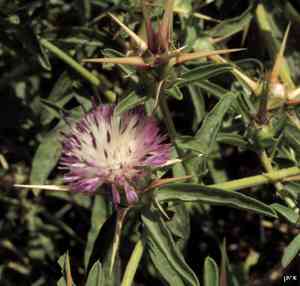
Iberian star-thistle (Centaurea iberica)
Also known as: Iberian star thistle
Annual, biennial, or perennial plants with a relatively short lifespan typically grow to a height of 20 to 200 cm. They often have one or several highly branched stems, forming rounded mounds. The undersides of their leaves are usually puberulent to slightly tomentose, providing protection against water loss and herbivores.
In This Article
Attributes of Iberian star-thistle
Lifespan
Perennial, Biennial
Plant Type
Herb
Plant Height
20 cm to 1 m
Spread
N/A (Herbaceous plant)
Leaf Color
Green
Flower Size
1.3 cm to 2 cm
Flower Color
White Pink Purple Red
Images of Iberian star-thistle
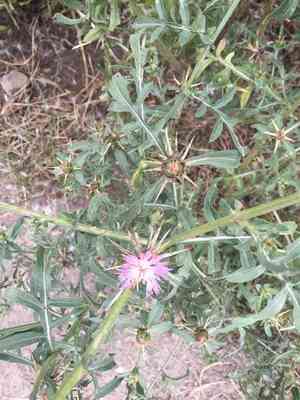
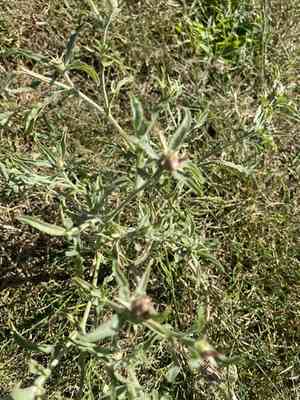
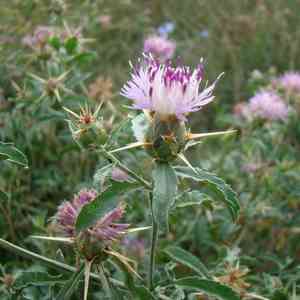
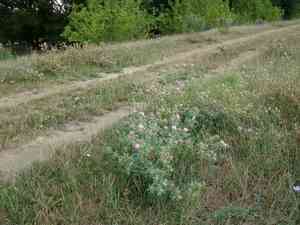
Quickly Identify Iberian star-thistle
1
Identify Centaurea iberica by its deeply lobed leaves, spiny bracts, and pink to purple tubular flowers. It also has a green to yellowish stem with a rough texture.
Scientific Classification of Iberian star-thistle
Phylum
Vascular plants
Class
Dicotyledons
Order
Asterales
Family
Daisy
Genus
Centaury
Species
Iberian star-thistle
Planting and Growing of Iberian star-thistle
Care Difficulty
Hard
Watering Schedule
Every 4 days
Sunlight Requirements
Full sun
Sunshine Duration
6-10 hours
Ideal Temperature
60-75℉
Soil Type
Potting Mix, Peat Mix
Soil pH
6.5-7.5
Fertilizer Type
Balanced
Pruning Season
Spring, Summer
Pruning Area
Branches, Leaves
Pruning Frequency
2 times a year
Repotting Season
Spring
Pot Type
Plastic, Terracotta
 How to Water Iberian star-thistle?
Centaurea iberica should be watered deeply but infrequently. Ensure the soil is thoroughly soaked until water drains from the bottom of the pot, approximately 250 milliliters per watering session. This ensures that the roots receive enough moisture without becoming waterlogged.
What are the symptoms of an underwatered Iberian star-thistle?
›
What should I do if my Iberian star-thistle is not getting enough water?
›
What are the symptoms of an overwatered Iberian star-thistle?
›
How to save an overwatered Iberian star-thistle?
›
 What Are the Sunlight Requirements for Iberian star-thistle?
Centaurea iberica requires full to partial sun exposure for optimal growth. The ideal light helps produce strong stems and abundant blooms, contributing to the plant's overall vitality and decorative purpose.
More About Sunlight Requirements Techniques→
What is the ideal amount of light for Centaurea iberica?
›
How to ensure Centaurea iberica receives the right light?
›
What benefits does ideal lighting provide Centaurea iberica?
›
 What Is the Ideal Temperature Range for Iberian star-thistle?
For optimal growth, Centaurea iberica thrives best in temperature conditions between 60°F and 75°F. This range provides a balanced environment that supports the plant's metabolic processes, promoting healthy foliage and vibrant blooms.
 What Soil is Best for Iberian star-thistle?
Centaurea iberica thrives in well-drained soils, which prevent water from standing around the roots. This reduces the risk of root rot and promotes healthy root growth, supporting the plant’s overall vitality. This plant prefers soils with moderate nutrient content. Overly rich soils can lead to excessive foliage growth at the expense of flowers, while poor soils may not provide sufficient nourishment for robust growth. Centaurea iberica does best in soils with a pH that is neutral to slightly alkaline (6.5-7.5). This pH range ensures optimal nutrient uptake, particularly for key micronutrients that are essential for flowering.
 How to Fertilize Iberian star-thistle?
For Centaurea iberica, it's important to ensure the right balance of nutrients. Typically, use a standard liquid fertilizer at half-strength, approximately 10-15 milliliters per liter of water. Apply it evenly over the soil, ensuring to avoid direct contact with the leaves.
 How to Prune Iberian star-thistle?
Begin by identifying and removing all dead or diseased stems and flowers. This initial step prevents the spread of disease and helps the plant focus its energy on healthy growth. Look for brown, wilted, or discolored areas as signals of decay. Next, trim the plant to retain a pleasing, natural shape. Focus on cutting back overgrown areas without drastically altering the plant's overall form. This ensures it remains aesthetically pleasing while allowing sunlight and air to reach all parts of the plant, promoting better growth. Prune the plant slightly above a leaf node to encourage more robust regrowth. This strategic cut stimulates the plant to develop new shoots and flowers, enhancing the overall blooming potential during the growing season.
More About Pruning Techniques→
 How to Propagate Iberian star-thistle plant?
1
Begin by filling a seed tray with a well-draining potting mix. Sow the seeds of Centaurea iberica evenly, covering them lightly with a thin layer of soil. Water gently to settle the soil.
2
Place the seed tray in a location with indirect sunlight and maintain a temperature of around 65-70°F (18-21°C). Keep the soil consistently moist but not waterlogged to facilitate germination.
3
Once the seedlings have produced several true leaves, they can be transplanted to larger pots or directly into the garden. Ensure that the soil is well-prepared with adequate drainage and that seedlings are spaced appropriately to allow for growth.
 How to Repot Iberian star-thistle plant?
1
You should repot Centaurea iberica when you see its roots protruding from the drainage holes, or if you notice that it is becoming root-bound. A slowdown in growth or yellowing leaves can also indicate a need for repotting.
2
Select a pot that is one size larger than the current one for repotting Centaurea iberica. It's also important that the pot has good drainage holes; this helps prevent root rot by ensuring water doesn't accumulate at the bottom.
3
Opt for a well-draining sandy soil mix that mimics its natural habitat. Sandy soil allows for excellent drainage, preventing the roots from sitting in water, which can lead to rot and other problems.
Learn More About Iberian star-thistle Diseases
Anthracnose
Bacterial Leaf Spot
Bacterial Soft Rot
Bacterial Wilt
Black Spot
Chemical Injury
Crown Gall
Cyst Nematode
Damping-off
Downy Mildew
Drought Stress
Fusarium Wilt
Gray Mold
Leaf Curl
Leaf Spot
Mosaic
Nutrient Deficiency
Nutrient Toxicity
Powdery Mildew
Root Rot
Root-knot Nematode
Rusts
Sooty Mold
Spider Mites
Temperature Stress
Thrips Damage
White Mold



