How to Transplant Blessed thistle?
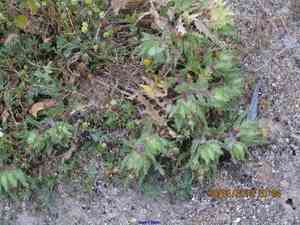
For best results, blessed thistle flourishes when transplanted during the warmer period following the last frost, extending into early summer. Choose a bright spot featuring soil that drains effectively. A gradual adjustment process guarantees vigorous development, so slowly introduce blessed thistle to its new surroundings.
What Preparations are Needed Before Transplanting Blessed Thistle?
What is the Ideal Time for Transplanting Blessed Thistle?
The perfect time to move blessed thistle is when late spring's warmth transitions into early summer's embrace. Relocating blessed thistle then promotes strong development, as soil temperatures are warm enough for root growth without the harshness of midsummer heat. Choosing this season for blessed thistle ensures a smooth shift, offering the gentle support needed for its delicate roots to firmly establish, setting the stage for a season of vigorous growth and health.
How Much Space Should You Leave Between Blessed Thistle Plants?
Hello, gardener! Prepare to give your blessed thistle the space they need to thrive by positioning them 12-18 inches (30-45 cm) apart. This will guarantee they have ample room to spread their roots and develop robustly!
What is the Best Soil Mix for Blessed Thistle Transplanting?
Your blessed thistle will adore a comfortable spot in well-draining soil with a touch of magicâincorporate some organic compost as a foundational fertilizer to give them a great start. You'll be providing them with a nourishing embrace that encourages vibrant health from the outset!
Where Should You Relocate Your Blessed Thistle?
Sunny locations make blessed thistle happiest! Select a site with full sun to partial shade where they can enjoy the warm light for at least 6 hours daily. Your little sun-lovers will flourish with the perfect blend of sunshine and care.
What Equipments Should You Prepare Before Transplantation Blessed Thistle?
Gardening Gloves
To safeguard your hands while handling soil and plants.
Trowel or Transplanting Shovel
For digging up and moving the blessed thistle.
Watering Can or Hose with a Sprinkler Attachment
To hydrate the blessed thistle before and after relocation.
Pruners or Sharp Knife
To trim any damaged roots or leaves if necessary.
Wheelbarrow or Garden Cart
To transport the blessed thistle and soil without straining your back.
Measuring Tape
To ensure correct spacing between your transplanted blessed thistle.
Stakes or Plant Supports
To offer stability to the blessed thistle if needed post-transplant.
Mulch
To help retain soil moisture and deter weed growth around the blessed thistle.
How Do You Remove Blessed Thistle from the Soil?
How Do You Remove Blessed Thistle from the Soil?
From Ground: First, moisten the blessed thistle's soil to make it easier to work with. Gently dig a wide circle around the blessed thistle with a trowel or shovel, being careful not to harm the root system. Slide the shovel under the root ball and lift the blessed thistle from its original spot.From Pot: Water the blessed thistle thoroughly to allow the root ball to slide out easily. Tilt the pot sideways and gently guide the blessed thistle out, supporting the plant with your other hand. If it resists, you can tap the pot's edges or gently squeeze a flexible pot to loosen the roots.From Seedling Tray: Ensure the seedlings are well-hydrated before beginning. Use a trowel or a dibber to gently lift the blessed thistle seedlings from their individual cells, holding them by the leaves rather than the delicate stems to prevent damage.
Step-by-Step Guide for Transplanting Blessed Thistle
Preparation
Start by thoroughly watering the blessed thistle at its current location to lessen transplant shock and facilitate removal.
Removing blessed thistle
Utilize the appropriate removal method, as described above, to extract the blessed thistle from the ground, pot, or seedling tray, taking care to preserve the root ball's integrity.
Transport
Carefully move the blessed thistle to its new spot using a wheelbarrow or cart to avoid unnecessary stress or harm to the plant.
Planting Hole
Dig a hole twice as wide as the root ball but no deeper than its current depth. The blessed thistle should sit at the same ground level as it was before.
Placement
Position the blessed thistle in the center of the hole and gently spread out its roots.
Backfilling
Refill the hole with soil, gently tamping down around the blessed thistle to ensure no air pockets remain.
Watering
Immediately after planting, water the blessed thistle thoroughly to settle the soil around its roots.
Staking
If the blessed thistle is tall and needs support, insert stakes around the plant and tie them loosely to provide stability.
How Do You Care For Blessed Thistle After Transplanting?
Watering
Maintain consistent moisture around the blessed thistle as it establishes. Water deeply to encourage root growth; avoid shallow watering, which promotes superficial roots.
Monitoring
Watch for signs of transplant shock, such as wilting or discolored leaves, and address them promptly.
Pruning
Remove any damaged or unhealthy-looking leaves or stems to direct the blessed thistle's energy towards recovery and new growth.
Mulching
Apply a layer of mulch around the base of the blessed thistle to conserve moisture, regulate soil temperature, and reduce weed competition.
Supporting
Adjust stakes or supports as the blessed thistle grows to ensure it remains stable and upright.
Adapting
Allow your blessed thistle time to adjust to its new location without added stress, so refrain from applying fertilizer or other strong chemicals until it's well-established.
Troubleshooting Common Issues with Blessed Thistle Transplantation.
When is the best time to transplant blessed thistle?
The ideal time to relocate blessed thistle is during late spring to early summer, leveraging optimal growth conditions.
How far apart should I space blessed thistle when transplanting?
Aim for a generous distance of 12-18 inches (30-45 cm) to provide blessed thistle ample room to flourish.
Why are my blessed thistle seedlings wilting after transplant?
Wilting post-transplant can indicate shock. Ensure careful handling, adequate water, and no root disturbance during the move.
What soil conditions favor blessed thistle transplantation?
Prefer well-draining soil with abundant organic matter, maintaining slightly moist conditions for successful blessed thistle establishment.
How deep should blessed thistle be planted when transplanting?
Plant blessed thistle roots to the same depth as they were originally grown, avoiding deeper placement that may hinder growth.
Can I transplant blessed thistle on a hot, sunny day?
Transplant during cooler, overcast days or in the evening to reduce stress and prevent dehydration in blessed thistle.
How often should I water blessed thistle after transplanting?
Water gently yet thoroughly after transplanting, and keep soil consistently moist until blessed thistle is well established.
Should I fertilize blessed thistle immediately after transplanting?
Delay fertilizing until blessed thistle shows new growth, indicating successful rooting and reduced stress.
Do I need to prune blessed thistle during transplanting?
Minimal pruning, only to remove damaged or dead material, is beneficial at transplant to focus blessed thistle's energy.
How can I protect blessed thistle after transplanting?
Mulch around blessed thistle, not touching the stems, to conserve moisture and regulate soil temperature.



