How to Prune Blessed thistle?
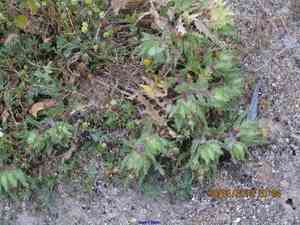
Blessed thistle, a therapeutic herb characterized by prickly foliage and golden blossoms, necessitates yearly trimming. Prune following bloom development to stimulate new growth and inhibit self-propagation. Early spring cutting eliminates deceased matter and sculpts the plant, whereas gentle summer pruning controls its dimensions and enhances air movement. Autumnal pruning ought to be restricted, concentrating on the removal of faded blooms and compromised stalks. This fosters more vigorous leaves and strengthens its resilience against infestations and ailments.
What Are the Benefits of Pruning Blessed Thistle?
What Are the Benefits of Pruning Blessed Thistle?
Trimming blessed thistle encourages development, fostering robustness and a denser form. This upkeep ensures blessed thistle maintains a good shape, allowing light and air to reach its core for healthier foliage.
What Is the Best Time for Pruning Blessed Thistle?
What Is the Best Time for Pruning Blessed Thistle?
Pruning in late spring or early summer enables blessed thistle to recover and grow vigorously during its active period. Trimming before blooming promotes bushier growth and more flowers. Pruning after flowering can prevent unwanted self-seeding. This timing avoids stressing blessed thistle during late summer heat and winter dormancy.
What Tools Do I Need to Prune Blessed Thistle?
Hand Pruners
Perfect for cutting back old flower stalks and removing dead or diseased leaves from blessed thistle, ensuring clean cuts without harming the plant's delicate stems.
Gardening Gloves
Protect hands from blessed thistle's spiny foliage during pruning, ensuring safe and comfortable work during maintenance.
Pruning Saw
Essential for removing larger, woody stems if blessed thistle has grown extensively. It's especially useful for making precise cuts on thicker branches that hand pruners cannot manage.
How to Prune Blessed Thistle
Disinfect
Before starting to prune blessed thistle, sanitize your pruning shears with a solution of 1 part bleach to 9 parts water to prevent disease transmission.
Identify
Carefully inspect blessed thistle to locate withered leaves, focusing on any that are brown, dry, or show signs of illness.
Trim
Using your sanitized shears, cut off the withered leaves at their base where they meet the stem, making a clean cut to avoid damaging healthy tissues.
Dispose
Remove all pruned material from the vicinity of blessed thistle and dispose of it properly to prevent any potential disease or pests from affecting healthy plants.
Care
After pruning, monitor blessed thistle regularly for new growth, and provide care according to general maintenance guidelines to encourage healthy development.
Common Pruning Mistakes with Blessed Thistle
Over pruning
Removing too much growth at once can stress blessed thistle, reducing its vitality and potentially leading to poor health or death.
Improper cut location
Cutting too far from a node can leave a stub that risks disease and pest infestation. Conversely, cutting too close can damage the node itself.
Using dull tools
Dull pruning tools may crush stems and leave jagged cuts, making blessed thistle more susceptible to pathogens.
Pruning during active growth
Aside from deadheading, heavy pruning during periods of active growth can disrupt the plant's natural growth cycle, leading to a diminished display of the plant's characteristic blossoms.
Neglecting sanitation
Not sterilizing tools between cuts and plants can spread diseases amongst blessed thistle and other garden species.
Ignoring plant shape
Not considering the natural growth pattern of blessed thistle can result in an unnatural appearance and might also harm the plant's health.
Common Pruning Tips for Blessed Thistle
Selective pruning
Focus on thinning out crowded areas to improve air circulation and light penetration, which are essential for the health of blessed thistle.
Node pruning
Make clean cuts just above a leaf node or branching point to promote healthy regrowth and maintain the plants' natural form.
Clean tools
Use sharp, clean pruning tools to make precise cuts, which heal faster and minimize stress to blessed thistle.
Deadheading
Regularly remove faded flowers to encourage more blooms and prevent blessed thistle from putting energy into seed production.
Disease removal
Promptly prune away any diseased or dead plant material to prevent the spread of disease and pests within blessed thistle.
Shape maintenance
Trim blessed thistle to maintain its natural shape and size, which helps the plant to produce ample blossoms while also integrating well into your garden design.



