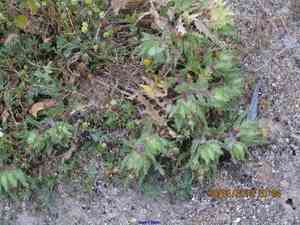
Blessed thistle (Centaurea benedicta)
Also known as: Blessed Thistle, Holy Thistle, Saint Benedict's Thistle
The spiny blessed thistle, a native of Eurasia, is often regarded as a noxious weed due to its hardy, invasive characteristics. This plant thrives in open spaces such as meadows and fields, and readily establishes itself in disrupted soils, making it prevalent along roadsides and construction sites. Interestingly, the blessed thistle is also mentioned in Shakespeare's "Much Ado About Nothing."
In This Article
Attributes of Blessed thistle
Lifespan
Annual, Perennial
Plant Type
Herb
Plant Height
50 cm to 60 cm
Spread
20 cm to 30 cm
Leaf Color
Green with white veining
Flower Size
3 cm to 4 cm
Flower Color
Yellow
Images of Blessed thistle
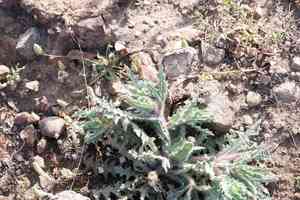
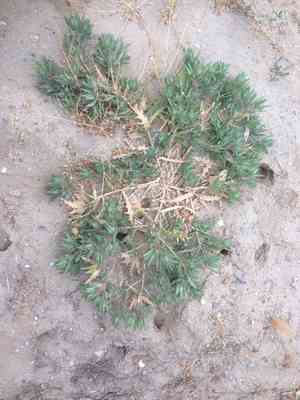
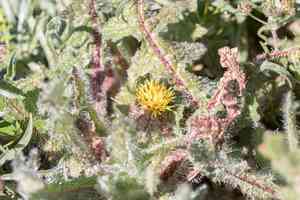
Quickly Identify Blessed thistle
1
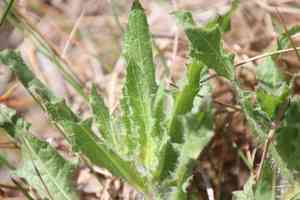
Look for a spiny, thistle-like plant with yellow flowers. The leaves are deeply lobed and covered with white, woolly hairs. The plant exudes a milky sap when cut.
Scientific Classification of Blessed thistle
Phylum
Vascular plants
Class
Dicotyledons
Order
Asterales
Family
Daisy
Genus
Centaury
Species
Blessed thistle
Planting and Growing of Blessed thistle
Care Difficulty
Easy
Watering Schedule
Every 2 days
Sunlight Requirements
Full sun
Sunshine Duration
6-10 hours
Ideal Temperature
60-75℉
Soil Type
Potting Mix, Peat Mix
Soil pH
6.5-7.5
Fertilizer Type
Balanced
Pruning Season
Spring, Summer
Pruning Area
Branches, Leaves
Pruning Frequency
Once a year
Repotting Season
Spring
Pot Type
Plastic, Ceramic
 How to Water Blessed thistle?
When watering Centaurea benedicta, aim to provide enough moisture to dampen the soil thoroughly without causing waterlogging. The goal is to reach a balance where the top inch of soil feels moist but not soggy. The general rule is to provide around 200 milliliters each time, ensuring the water seeps down to the roots, but also ensuring excess water can drain away effectively to prevent root rot.
What are the symptoms of an underwatered Blessed thistle?
›
What should I do if my Blessed thistle is not getting enough water?
›
What are the symptoms of an overwatered Blessed thistle?
›
How to save an overwatered Blessed thistle?
›
 What Are the Sunlight Requirements for Blessed thistle?
Centaurea benedicta thrives in full to partial sun, benefiting from 6 to 8 hours of daily exposure. This light range supports photosynthesis, enhances nutrient absorption, and encourages strong and healthy growth.
More About Sunlight Requirements Techniques→
What kind of light does Centaurea benedicta prefer?
›
How can you achieve the ideal light conditions for Centaurea benedicta?
›
What happens if the plant receives ideal lighting?
›
 What Is the Ideal Temperature Range for Blessed thistle?
Centaurea benedicta thrives best in a temperature range of 60 to 75°F. This range provides the optimal conditions for the plant to photosynthesize efficiently, promote growth, and minimize the risk of stress-related diseases. Maintaining this temperature ensures robust development and vibrant blooms.
 What Soil is Best for Blessed thistle?
Centaurea benedicta thrives in soil that provides good drainage to prevent root rot. Ensuring water does not accumulate allows the plant to grow healthily and absorb nutrients more effectively. This plant requires soil of moderate fertility. Too much nutrition may lead to excessive leaf growth and reduced flower production, while too little can stunt overall growth. While Centaurea benedicta can tolerate a range of pH levels, it tends to excel in soils that are slightly alkaline, promoting optimal uptake of essential nutrients.
 How to Fertilize Blessed thistle?
For Centaurea benedicta, it is essential to provide a moderate to light amount of fertilizer. Using too much can harm the plant, while too little will stunt its growth. A balanced 10-10-10 or 5-5-5 fertilizer is suitable. For liquid fertilizers, dilute the concentration to half of the manufacturer's recommended strength per application. Solid or slow-release fertilizers should be applied sparingly, following the guidelines of using approximately 1 to 2 teaspoons per plant.
 How to Prune Blessed thistle?
Start by removing any dead, damaged, or diseased wood using clean, sharp pruning shears. This encourages healthy growth and prevents the spread of disease. Next, prune back any overly long stems to encourage a more bushy and compact form, making sure to cut just above a leaf node to stimulate new growth. Avoid cutting too aggressively, as it can stress the plant and reduce flowering capability. To shape the Centaurea benedicta, trim the plant to achieve the desired form by selectively removing excess stems and foliage. Focus on maintaining an open center to increase airflow and sunlight penetration, which reduces the risk of fungal infections and promotes healthy blooms. It's crucial to evenly distribute your trims around the plant to ensure symmetrical growth.
More About Pruning Techniques→
 How to Propagate Blessed thistle plant?
1
Start by choosing high-quality seeds from a reputable source. Ensure that the seeds appear healthy and free of any damage or discoloration, which can affect germination rates.
2
Fill your seed tray with potting mix, and evenly distribute the seeds on top. Lightly cover the seeds with a thin layer of soil. Water gently to moisten the soil without dislodging the seeds.
3
Place the seed tray in a location with plenty of sunlight and a constant temperature. Maintaining these conditions is key to successful germination and early growth of the seedlings.
 How to Repot Blessed thistle plant?
1
Centaurea benedicta should be repotted when you notice roots emerging from the drainage holes, or if the plant appears stunted. These signals indicate that the plant has outgrown its pot and needs a larger space to thrive.
2
Select a pot that is one size larger than the current one. Ensure it has good drainage to prevent root rot. A larger pot allows room for growth and promotes better air circulation around the roots.
3
Opt for a well-draining sandy loam soil. This soil mix ensures adequate drainage and prevents waterlogging, providing the ideal environment for Centaurea benedicta's root system to flourish.
Learn More About Blessed thistle Diseases
Anthracnose
Bacterial Leaf Spot
Bacterial Soft Rot
Bacterial Wilt
Chemical Injury
Crown Gall
Cyst Nematode
Damping-off
Downy Mildew
Drought Stress
Fusarium Wilt
Gray Mold
Leaf Spot
Mosaic
Nutrient Deficiency
Nutrient Toxicity
Powdery Mildew
Root Rot
Root-knot Nematode
Rusts
Sooty Mold
Spider Mites
Temperature Stress
Thrips Damage
White Mold



