How to Transplant Celtis jessoensis?
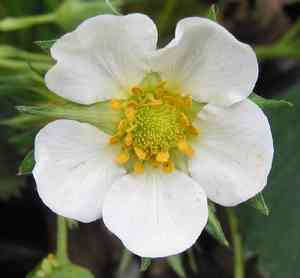
For celtis jessoensis, the period spanning early to late spring, as the ground becomes active, presents an ideal opportunity for relocation. Select a site that replicates its native environment to encourage peak development. Successful root integration is crucial, so verify the chosen area is thoroughly readied.
What Preparations are Needed Before Transplanting Celtis Jessoensis?
What is the Ideal Time for Transplanting Celtis Jessoensis?
The perfect time for relocating celtis jessoensis extends from the start of early spring through the end of late spring. Moving celtis jessoensis during this period takes advantage of mild temperatures and increased humidity, which together create an optimal setting for root development. Shifting celtis jessoensis in this season promotes vigorous growth before the rigors of summer heat, ensuring a smooth transition and a flourishing plant.
How Much Space Should You Leave Between Celtis Jessoensis Plants?
Greetings! When preparing to rehome celtis jessoensis, remember to allow a generous distance of approximately 20-30 feet (6-9 meters) between each specimen. This will provide your celtis jessoensis ample room for branch expansion and healthy development!
What is the Best Soil Mix for Celtis Jessoensis Transplanting?
Before celtis jessoensis establishes itself, prepare a welcoming blend of well-draining soil – ideally loamy and not overly dense. Incorporate some balanced fertilizer to provide an initial nutrient boost. Your celtis jessoensis will reward you with beautiful growth!
Where Should You Relocate Your Celtis Jessoensis?
Select a sunny location for your celtis jessoensis where it can receive at least 6 hours of direct sunlight daily. A bit of shade is acceptable, but excessive shade will prevent celtis jessoensis from reaching its full potential. Happy planting!
What Equipments Should You Prepare Before Transplantation Celtis Jessoensis?
Shovel or Spade
Crucial for digging and turning the earth during the relocation process.
Garden Fork
For loosening the soil surrounding the roots, especially at the original site.
Watering Can or Hose
To hydrate celtis jessoensis both before and after its move.
Gardening Gloves
To safeguard your hands while handling the soil and plant.
Wheelbarrow
For moving celtis jessoensis and any soil or compost materials.
Pruning Shears
To trim any damaged roots or branches if necessary.
Mulch
To aid in retaining soil moisture and regulating soil temperature around celtis jessoensis post-transplant.
Sturdy Stakes or Supports
To ensure celtis jessoensis remains upright and protected from wind.
How Do You Remove Celtis Jessoensis from the Soil?
How Do You Remove Celtis Jessoensis from the Soil?
From Ground: First, water the celtis jessoensis to make the surrounding soil more workable. Then, carefully use your shovel or spade to dig a circle around celtis jessoensis, ensuring you are far enough away to avoid cutting essential roots. Gently pry underneath with the fork to lift celtis jessoensis from its spot.From Pot: Water your celtis jessoensis thoroughly to help the roots slide out more easily. Tip the pot sideways and gently tap it to loosen the root ball. Carefully slide celtis jessoensis out of the pot, supporting its base and stems.From Seedling Tray: Moisten the soil in the tray to facilitate removal. Use a spoon or a small gardening tool to lift each individual celtis jessoensis seedling, making sure a good amount of soil stays attached to the roots.
Step-by-Step Guide for Transplanting Celtis Jessoensis
Preparation
Gather all necessary tools and supplies such as a shovel, garden fork, watering can, gardening gloves, mulch, and stakes in your work area near the new planting site for celtis jessoensis. Ensure a generous supply of water is available for the transplanting process. Confirm that the soil at the planting site is already prepared according to previous instructions not covered here. Water the celtis jessoensis at its current location before removal to reduce plant stress and help keep the root ball intact during the move. If celtis jessoensis is from a container or seedling tray, this is especially important for the soil to cohere when removed. Also, remember to dig the new hole before starting extraction, considering the root ball's size and allowing extra space for growth.
Removal
Depending on celtis jessoensis's current location, follow the appropriate removal method described – whether from the ground, a pot, or a seedling tray. Your primary goal is to preserve as much of the root system as possible for successful transplanting.
Transplanting
Once celtis jessoensis is carefully extracted, replant it immediately to prevent root desiccation. Position celtis jessoensis in the pre-dug hole, ensuring it sits at the same depth as it did originally. Gently spread the roots and backfill with the excavated soil, pressing firmly to eliminate air pockets and provide stability. Water thoroughly to help the soil settle around the roots.
Staking
If celtis jessoensis is tall or in a windy area, secure it to stakes or other supports to provide stability while its roots establish. Do this carefully to avoid harming the plant.
Mulching
Apply a layer of mulch around the base of celtis jessoensis to conserve moisture, regulate soil temperature, and suppress weeds.
How Do You Care For Celtis Jessoensis After Transplanting?
Watering
Ensure the soil around celtis jessoensis remains damp to help the plant adapt to its new spot. For the initial weeks, water regularly, gradually reducing frequency as the plant settles. Be careful not to overwater, which can lead to waterlogged conditions.
Monitoring
Observe celtis jessoensis for any signs of distress, such as wilting, discolored leaves, or a lack of new growth. These could indicate issues with root establishment or disease.
Pruning
Trim any dead or damaged branches to help redirect celtis jessoensis's energy towards developing new roots and foliage.
Protection
Provide shelter from strong winds and pests during the initial period after transplant. A temporary barrier or mesh may be necessary until celtis jessoensis gains strength.
Troubleshooting Common Issues with Celtis Jessoensis Transplantation.
Why is my celtis jessoensis not thriving after transplant?
Confirm it was moved during the optimal period from early to late spring. Also, check soil conditions and water sufficiently.
What spacing is best when transplanting celtis jessoensis?
For optimal development, position celtis jessoensis approximately 20 to 30 feet (6 - 9 meters) apart. This allows ample room for mature spread.
How deep should I dig the hole for celtis jessoensis transplanting?
Excavate a hole that is twice as wide and the same depth as the root ball to give the roots a strong start.
What soil conditions favor celtis jessoensis transplant?
Well-drained soil with a pH that is slightly acidic to neutral is ideal. Improve soil structure by adding organic matter.
How much water does celtis jessoensis need after transplanting?
Water thoroughly after transplanting and maintain consistent moisture, especially in the first few weeks, to establish roots.
Why are the leaves of celtis jessoensis wilting after transplant?
This could be transplant shock. Keep the soil moist and shield the plant from strong winds and intense, hot sunlight.
Can celtis jessoensis be transplanted during other seasons?
Transplanting celtis jessoensis is best during the period of renewal from early to late spring, to allow root establishment before extreme heat or cold.
How do I prepare celtis jessoensis for transplanting?
Water the celtis jessoensis thoroughly the day before to ensure root hydration. Prune any damaged roots before transplanting.
What should I do if the roots of celtis jessoensis are circling the pot?
Gently untangle or prune the roots to encourage outward growth. Avoid harming the main root structure.
How can I protect celtis jessoensis from transplant stress?
Use root stimulators to aid root development, apply mulch to retain soil moisture, and keep the area around celtis jessoensis free of weeds.



