How to Propagate Celtis jessoensis?
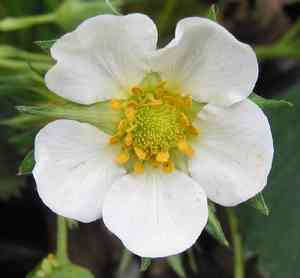
Belonging to the Cannabaceae family, celtis jessoensis can be successfully multiplied via the cutting technique. Meticulous selection of robust stem sections and suitable rooting conditions are vital for positive outcomes. To improve root formation, applying rooting stimulants is advisable. Cuttings ought to be situated in a well-draining substrate within an environment that sustains elevated humidity and temperate warmth. Regular yet not overabundant irrigation is critical to guarantee effective root growth while preventing decay.
Optimal Period for Celtis Jessoensis Propagation
Propagation Method
Cutting
Propagation Season
Autumn,Winter
Essential Tools for Celtis Jessoensis Propagation
Sharp Pruning Shears
These are utilized for obtaining cuttings from celtis jessoensis. Keen, clean blades guarantee a precise cut, lessening harm to the parent plant and boosting the likelihood of successful rooting in the cutting. This instrument is vital for minimizing disease spread and facilitating rapid recovery for the severed section.
Rooting Hormone
Rooting hormone powders or gels aid in stimulating root development at the base of celtis jessoensis cuttings. Applying a rooting hormone increases the probability of successful rooting, which is crucial for the cuttings to establish and thrive. It also helps safeguard the cut site against fungal infections and other ailments.
Sterilizing Solution
Used to sanitize pruning shears and any other implements before and after they contact celtis jessoensis. Sterilization prevents the transmission of diseases, which is especially important in a propagation setting where plants can be more susceptible to infections.
Propagation Tray
These trays accommodate celtis jessoensis cuttings during the rooting phase. They are frequently employed with a sterile growing medium to support the cuttings in a controlled environment, which aids in maintaining sufficient moisture and temperature, vital for root formation.
Humidity Dome
A cover that fits over the propagation tray to help maintain elevated humidity levels around celtis jessoensis cuttings. High humidity is advantageous for preventing cuttings from drying out before they can establish roots, thereby significantly improving the overall propagation success rate.
Heat Mat
Positioned beneath the propagation tray to provide a consistent and gentle heat source. This is particularly useful for celtis jessoensis cuttings, supporting optimal root growth temperatures and enhancing propagation outcomes. Warmth is a key factor in encouraging faster root development.
How to Propagate Celtis Jessoensis?
Propagation Type
Moderately Difficult
Post-Propagation Care for Celtis Jessoensis
How to Care for Your Newly Propagated Celtis Jessoensis?
Once celtis jessoensis cuttings have developed a robust root system, gradually acclimate them to external conditions by progressively removing the humidity cover over several days. Transplant them into larger containers or their permanent garden location. Water consistently to maintain slightly moist soil, and apply a balanced fertilizer during the growing season to encourage healthy development. Protection from extreme temperatures and direct sunlight is crucial in the initial stages after transplanting.
Common Propagation Errors to Avoid with Celtis Jessoensis
Excessive watering
Overwatering can lead to root rot in celtis jessoensis, which severely impedes root development and diminishes the chances of successful propagation. This species requires well-draining soil to prevent waterlogging.
Using old seeds
Aged or improperly stored celtis jessoensis seeds may have reduced viability, resulting in poor germination rates. This error can drastically lower the number of seedlings available for planting.
Cutting incorrectly
Improper cutting techniques, such as using dull blades or making cuts at the wrong location, can damage celtis jessoensis tissues, leading to poor root formation and increased susceptibility to diseases.
Ignoring soil quality
Using soil that lacks essential nutrients or has improper pH levels can hinder celtis jessoensis's root development and overall growth during propagation. Appropriate soil preparation is crucial for nutrient absorption and plant health.
Tips For Propagating Celtis Jessoensis
Seed stratification
Before sowing, stratifying celtis jessoensis seeds by exposing them to a cold period can boost germination rates. This process helps break seed dormancy and mimics natural environmental conditions.
Sharp tools for cuttings
Utilize sharp, clean tools when taking cuttings to ensure smooth cuts that promote quicker healing and root initiation. This practice also minimizes stress and damage to celtis jessoensis, aiding its recovery and growth.
Optimal soil conditions
Ensure that the soil used for propagating celtis jessoensis is fertile, well-draining, and slightly acidic to neutral in pH. These conditions support robust root growth and reduce the risk of soilborne diseases.
Proper moisture management
Maintain adequate moisture levels when propagating celtis jessoensis. Keep the soil consistently moist but not soggy to encourage healthy root development without risking waterlogging and associated root issues.



